Why Some UK Pharma Labs Get Test Results Faster
A pharmaceutical quality control result can be delayed long before the chemistry begins. The sample arrives, then waits for a balance, a method, an instrument slot, a second analyst or a reviewer with time to look at the record. On paper, the test may take minutes. In the lab diary, it can lose hours before anyone calls it complete.
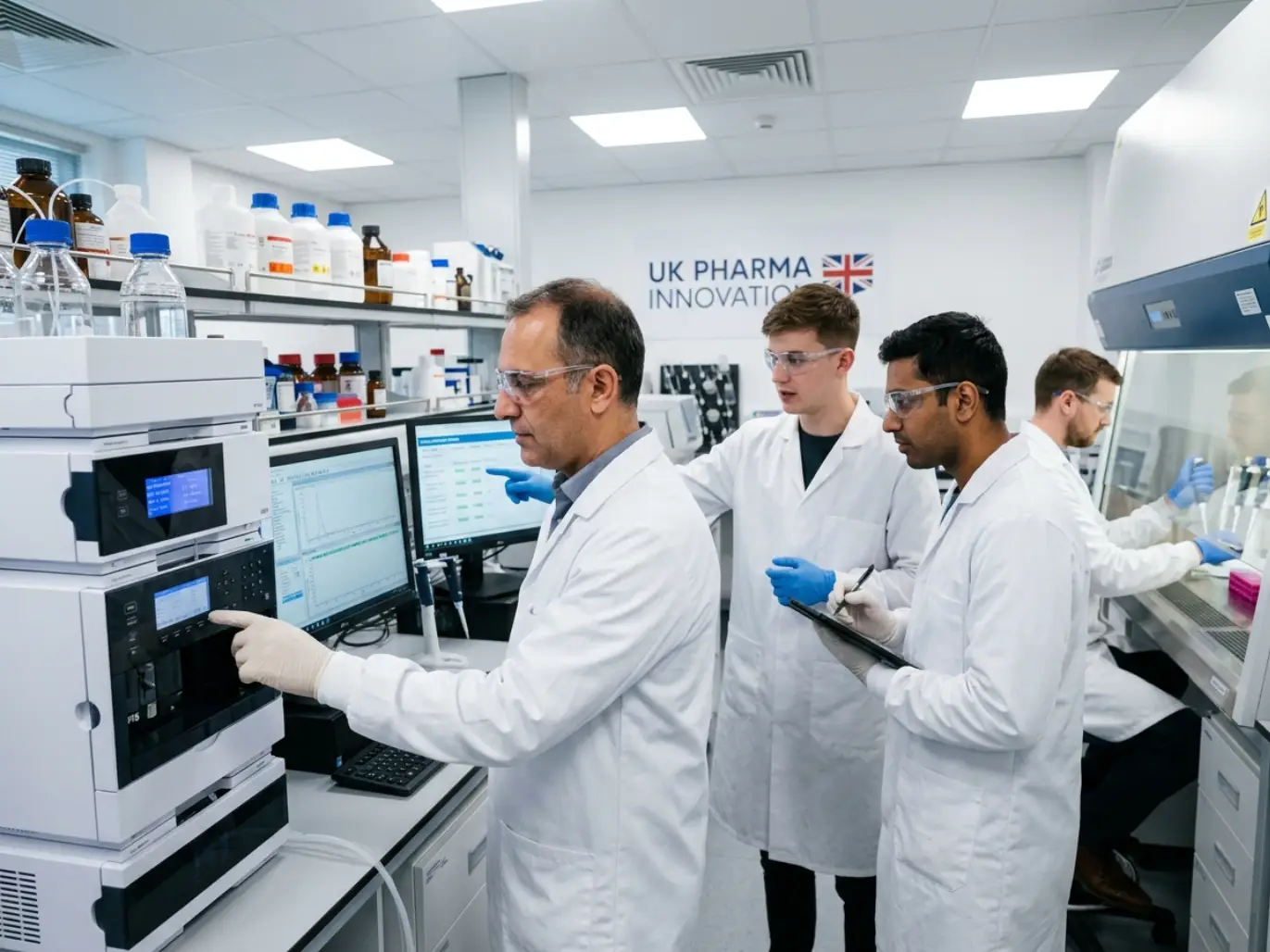
That difference matters when production is waiting on moisture, assay, acidity or another release check. The faster lab is usually not rushing the science. It has simply removed more of the small pauses around it.
Where delays build in the QC queue
Most delays in a testing lab are ordinary. A sample is logged, but the approved method sits on a shared instrument. A reagent needs checking. The analyst prepares the sample, then has to stop because another batch has priority. Later, the result is ready but the review queue has moved on.
Those pauses are easy to underestimate because none of them looks like failure. They are part of a normal day in a regulated lab. The problem comes when the same pause happens every morning. A short method then becomes a slow service because the lab has not looked closely enough at the route between sample receipt and final approval.
Faster laboratories tend to know where that route pinches. They do not only ask how long the titration takes. They ask where samples wait, which methods need repeats and how much time analysts spend copying results from one system into another.
Why the instrument still changes the pace
Workflow decides a lot, but the instrument still has to carry the method cleanly. A manual endpoint may be fine for occasional checks, but it asks more from the analyst when several similar samples arrive together. One unclear colour change, unstable signal or awkward calculation can push the result back into repeat work.
For laboratories that need repeatable titration results across pharmaceutical samples, a titrator gives the process a controlled endpoint instead of leaving the call to manual judgement. It can dose reagent in measured amounts, detect the endpoint and save the calculation with the method record.
That matters most when the result sits near a batch decision. If a test has to be repeated because the run was unclear, the delay spreads beyond the bench. QA waits. Production planning adjusts.
Moisture testing is often where pressure shows
Water content can be a quiet bottleneck. Some materials change as soon as they meet air. Hygroscopic powders may pick up moisture during handling, while certain intermediates or finished products need water content held within a narrow working range. The method may be familiar, but the sample still needs careful handling.
Karl Fischer titration is commonly used for water determination because it targets water specifically. The delay, in practice, often sits around sample management rather than the idea of the method. Was the sample transferred cleanly. Is the cell ready. Has the reagent been checked. Are the results easy to review without chasing handwritten notes.
A lab that has answered those questions in advance can move more calmly. It is not waiting for every analyst to reinvent the routine. It has a method that works, users who understand it and records that make review less painful.
Why data review slows good results down
A result is not useful in a pharmaceutical lab until it can be reviewed. In a regulated lab, data integrity matters because the result has to show who ran the method, which version was used, what changed, how the calculation was made and whether anything unusual happened during the run.
Paper records can still work, but they give the lab more places to lose time. A missing signature, unclear correction or copied value can send the result back for explanation. The chemistry may be sound, yet the batch still waits because the record cannot move smoothly through review.
Electronic records help when they make the trail easier to follow. They are not a shortcut around scientific judgement. They simply reduce the hand copying, file hunting and end of shift detective work that can turn a finished test into another open task.
Why automation does not always mean faster
Automation is sometimes sold as if it fixes the whole lab. It does not. A sample changer can run unattended samples, but someone still has to prepare them, set the method, handle exceptions and judge whether the result makes sense.
The better question is where automation removes a repeated drag. If analysts spend too much time waiting at the instrument, automation may help. If most delay comes from sample prep or review, buying another attachment will not solve the main problem.
Faster QC labs usually have habits that look almost boring. Analytical methods are current. Reagents are checked before the rush. Instruments are scheduled around real sample flow, not wishful thinking. Analysts know which results can wait and which ones affect release decisions.
They also make exception handling clear. If a result looks wrong, the analyst knows whether to check the sample, electrode, reagent, preparation step or method conditions. That saves time because uncertainty is not passed from one person to another until the day is gone.
What faster results really protect
A faster QC result is useful only if the quality team can review it, trust it and use it in a batch decision. A number that arrives early but needs extra explanation still leaves production waiting.
The stronger labs remove that uncertainty before the result reaches review. They keep methods stable, reduce manual copying and choose instruments that suit the sample instead of forcing every sample into the same slow routine.
Faster turnaround is not about pushing analysts to hurry. The chemistry still has to be right. The difference is that the lab has made the steps around the test easier to follow, so a sound result has fewer places to stall.