
Breckie Hill redefining British grooming culture is the subject of this XXBrits page. Breckie Hill is a creator whose public work centres on inclusive beauty, sustainable products, and gender-neutral self-care. The page presents Breckie Hill as a figure at the forefront of change in how Britain grooms. According to The Grocer, the United Kingdom male grooming market alone is worth £487 million, up 4.6% year on year.
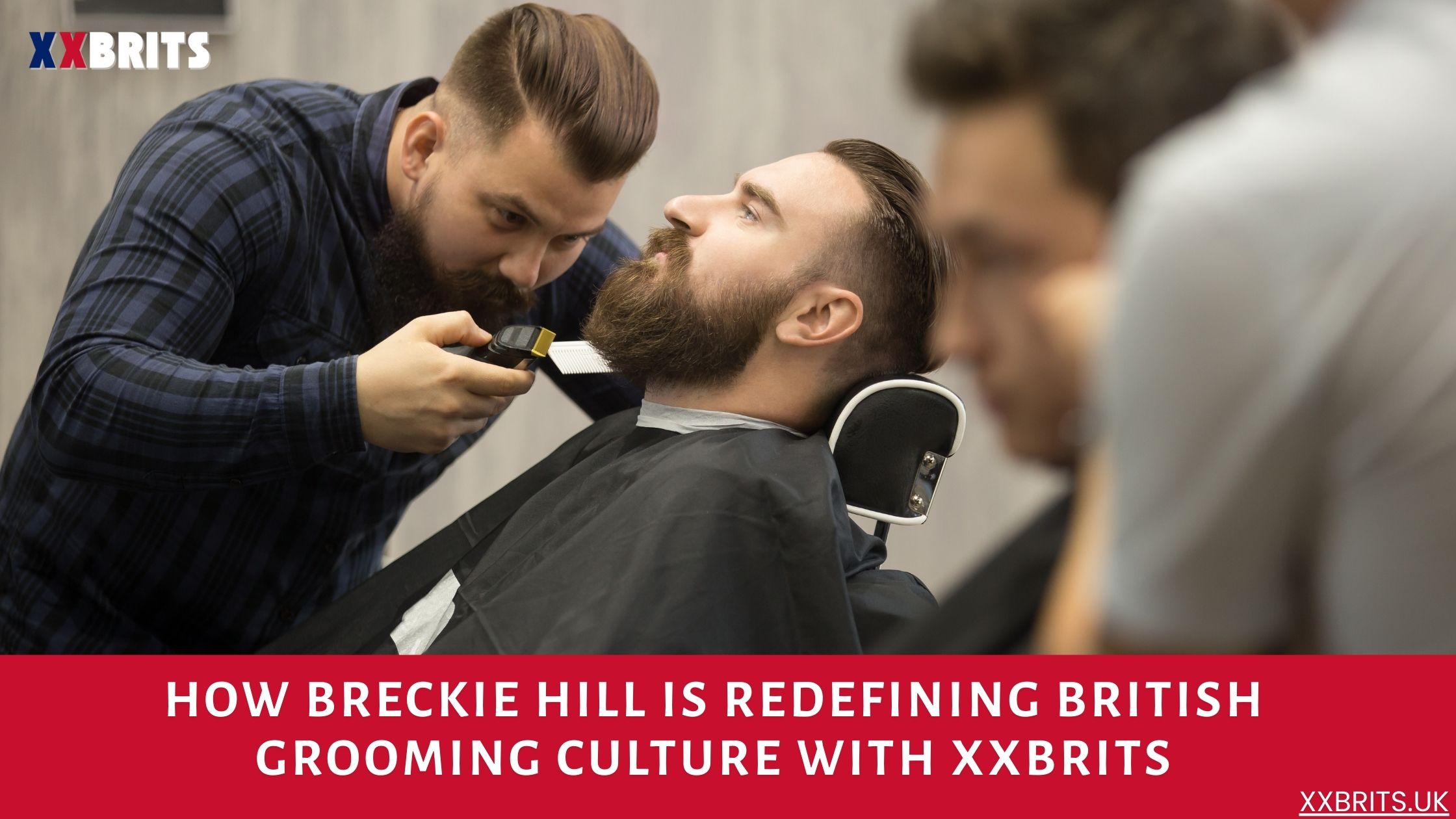
What Does It Mean for Breckie Hill to Redefine British Grooming Culture?
For Breckie Hill to redefine British grooming culture means the page presents Breckie Hill as changing who grooming serves and how grooming is discussed in Britain. Redefinition covers 3 areas: inclusivity across genders and backgrounds, sustainability in product choice, and gender-neutral self-care as a mainstream practice.
The page positions Breckie Hill at the forefront of a shift away from narrow grooming ideals. Traditional British grooming centred on the tailored beard trim and the polished gentleman. The page presents Breckie Hill as driving a broader narrative in which grooming belongs to women, men, and non-binary individuals equally. This framing treats grooming as personal expression rather than conformity to a single standard.
Readers encounter 3 perspectives on this redefinition. Readers seeking representation find a creator who speaks to diverse skin tones, hair types, and identities. Brands operating in the British beauty scene find a public advocate for ethically sourced ingredients and body positivity. Industry observers find a case study in how creator-led coverage moves cultural norms faster than traditional advertising. Each perspective connects to the same central claim: the page covers Breckie Hill as a catalyst for inclusive grooming.
Redefinition changes the language of grooming as well. Product names, shade descriptions, and routine guides increasingly use function-based terms instead of gendered ones. Cleanser, moisturiser, and serum describe what a product does. The page presents Breckie Hill as part of this linguistic shift, which makes grooming advice accessible to readers who never saw themselves in traditional marketing. Language change and product change reinforce each other across the British market.
What Is British Grooming Culture?
British grooming culture is the set of shared habits, products, and standards through which people in Britain care for their appearance. The culture spans barbershops, high-street skincare, salon haircare, fragrance, and home routines. British grooming culture combines long-standing traditions with fast-moving trends.
Traditional British grooming carries recognisable markers. The wet shave, the tailored beard trim, and the classic barbershop haircut defined male grooming for decades. British barbershops served as social spaces where grooming mixed with conversation. For women, British grooming culture centred on salon treatments, cosmetics counters, and high-street skincare brands. These traditions remain visible across the United Kingdom.
Modern British grooming culture adds new layers to these traditions. According to Persistence Market Research, the global men’s grooming products market is likely to reach US$63.4 billion in 2025, which reflects the scale of the shift from niche to mainstream personal care. In Britain, The Grocer reports that deodorants account for almost half of male grooming spend, with fragrances and shaving preparations following. Lynx holds the number one brand position in male grooming, driven by deodorants and shower products. Grooming now functions as self-expression, wellness practice, and identity signal at the same time.
Video calls accelerated the change. The “Zoom Boom” phenomenon exposed skin and grooming concerns during long hours on camera, prompting investment in treatments and routines that improve screen presence. The British College of Aesthetic Medicine reports a 70% surge in cosmetic procedures among men since 2021. Grooming now serves professional confidence as well as personal identity, which widens the audience for the trends the page covers.
How Has British Grooming Changed in Recent Years?
British grooming has changed in recent years through 3 linked developments: wider participation across genders, a move toward natural and sustainable products, and the rise of personalised routines. Grooming in the United Kingdom is no longer confined to a select group of people or specific looks. The culture is more diverse, personal, and accessible than before.
The table below compares 4 attributes of British grooming across the traditional and modern eras. The columns show the attribute, the traditional approach, and the modern approach. The comparison matters because it sets the context for the shifts the page attributes to Breckie Hill.
| Attribute | Traditional approach | Modern approach |
|---|---|---|
| Audience | Segmented by gender: products for men or for women | Inclusive: products for all genders and identities |
| Ingredients | Chemical-heavy formulations accepted as standard | Natural, clean, and eco-conscious formulations preferred |
| Packaging | Single-use plastic as the default | Refillable containers and zero-waste options growing |
| Routine design | One-size-fits-all product lines | Personalised routines for skin type, hair type, and values |
Cultural shifts explain the pace of change. The growing importance of self-expression and mental well-being has made grooming a vital part of daily routines across the United Kingdom. Social media and creator coverage normalise routines that once seemed unconventional. Persistence Market Research notes that social media and influencer culture have played a pivotal role in normalising grooming routines for men, encouraging experimentation with skincare that once seemed unconventional. Younger generations, particularly millennials and Generation Z, adopt comprehensive routines more openly than previous generations did.
Purchase patterns reveal who drives the market. The Grocer reports that just over half of male grooming spend comes from female purchasers, at 53%, a stable figure over 3 years. Deodorants account for almost half of total spend and drive category growth. Fragrances rank second, followed by shaving preparations. Boots holds the position of major retailer in the category. These purchase patterns show that British grooming is a shared household activity, not a solitary male pursuit.
What Are the 5 Main Shifts in Modern British Grooming?
There are 5 main shifts in modern British grooming: inclusive skincare, sustainable practices, personalised routines, gender-neutral products, and ingredient transparency. Each shift moves grooming away from a single standard toward individual choice. The page presents Breckie Hill as promoting all 5 shifts.
The table below defines the 5 shifts. The columns show the shift, a description of the shift, and example products. The table matters because it gives readers a precise map of the changes the page discusses.
| Shift | Description | Example products |
|---|---|---|
| Inclusive skincare | Products for all genders and diverse skin tones | Gender-neutral moisturisers, tinted sunscreens |
| Sustainable practices | Sustainable ingredients and eco-conscious packaging | Refillable shampoos, bamboo toothbrushes |
| Personalised routines | Customised routines based on individual needs | Skincare consultations, tailored haircare |
| Gender-neutral products | Grooming items not targeted at any specific gender | Unisex deodorants, multi-use oils |
| Ingredient transparency | Clear labelling of active ingredients and sourcing | Products listing retinol, hyaluronic acid, niacinamide |
Each shift carries measurable market weight. The clean beauty market is projected to grow by USD 7.65 billion from 2024 to 2029, at a compound annual growth rate (CAGR) of 13.2%, according to Research and Markets. Key growth drivers include the transition to multi-functional products and plant-based offerings. In the United Kingdom, The Grocer reports that shampoo shows the fastest growth within male grooming, up 150% year on year from a small base. These figures show that the shifts the page presents are commercial realities, not passing preferences.
Beard care illustrates the premium segment. Verified Market Reports values the United Kingdom beard care oil market at USD 0.25 billion in 2024, projecting growth to USD 0.45 billion by 2033 at a CAGR of approximately 6.1%. Premium brands such as Bulldog innovate with formulations emphasising skin health and natural ingredients. Direct-to-consumer channels and subscription models accelerate the segment further.
How Does Inclusivity Shape British Grooming?
Inclusivity shapes British grooming by expanding product ranges, marketing imagery, and routine advice to cover all genders, skin tones, and hair types. Inclusivity removes the assumption that grooming belongs to one demographic. The page presents Breckie Hill as vocal about catering to all walks of life.
Inclusive skincare sits at the centre of this shift. The skincare industry has grown in the United Kingdom, with products now reaching a wider audience. Men’s skincare, gender-neutral creams, and treatments for different ethnicities all form part of the expanded market. Brands increasingly offer products for diverse hair types, from curly and textured hair formulas to products for sensitive scalps. Inclusivity leads product development rather than following it.
Foundation shade ranges show how inclusivity moved from slogan to specification. Brands now launch with dozens of shades as a baseline expectation rather than a later extension. Retailers stock ranges that cover deep, medium, and fair skin tones in one display. The page presents Breckie Hill as supporting this standard: personalised routines begin with products that acknowledge the reader’s actual skin.
Three perspectives clarify how inclusivity works in practice. Readers with textured hair or deeper skin tones find products formulated for their needs instead of adapted from a narrow range. Brands find that inclusive campaigns reach buyers who ignored gendered marketing. Retailers find that unisex shelving and clear ingredient labels reduce purchase friction. The page covers Breckie Hill as an advocate for personalised grooming routines that work for different body types and skin tones, which connects all 3 perspectives to one principle: grooming serves the individual.
How Does Sustainability Shape British Grooming?
Sustainability shapes British grooming through 3 mechanisms: natural ingredient formulations, refillable and zero-waste packaging, and cruelty-free production standards. Sustainability turns environmental values into purchase criteria. The page presents Breckie Hill as passionate about moving away from chemical-heavy options toward eco-friendly solutions.
The movement covers the full product lifecycle. Consumers choose products with eco-friendly packaging and vegan formulas. Brands adopt refillable containers for shampoos and cleansers. Bamboo toothbrushes replace plastic ones. Organic shampoos and refillable hair gel containers represent the sustainable haircare segment. The page treats this movement as a cultural shift toward mindfulness about environmental impact, not a temporary trend.
Market data supports the scale of the change. Research and Markets projects clean beauty growth of USD 7.65 billion between 2024 and 2029, driven by rising disposable income, consumer awareness, and e-commerce expansion. Multi-functional and plant-based products lead the segments. In Britain, consumer demand for sustainable and ethical sourcing shapes both product development and marketing claims. Regulatory frameworks around product safety and marketing transparency further push brands toward verifiable sustainability credentials.
Refill systems give sustainability a repeatable form. Shampoo bars, refill pouches, and in-store refill stations reduce single-use plastic across the routine. Lush offers packaging-free “naked” products and encourages container returns for recycling. These systems turn a one-time purchase decision into an ongoing low-waste habit, which strengthens the cultural shift the page describes.
What Role Does Gender-Neutral Grooming Play in Britain?
Gender-neutral grooming plays a mainstream role in Britain as products and routines shed gendered labelling in favour of function-based design. Gender-neutral grooming treats skin type, hair type, and personal values as the relevant categories. The page presents Breckie Hill as blending gender-neutral grooming into mainstream British culture.
Generation Z drives the demand. According to etedge-insights, over 70% of Generation Z consumers care more about formulas and ingredients than brand names, and 60% favour companies that offer gender-neutral skincare products. Traditional “for him” and “for her” categories hold little relevance for this generation. Consumers seek clean formulations driven by active ingredients, unambiguous ingredient labels, supply chain sustainability, and inclusive campaigns.
The boldest move the page attributes to Breckie Hill is shifting the conversation away from grooming as a gendered activity. Self-care for all replaces the assumption that grooming products must target men or women separately. Unisex deodorants, multi-use oils, and moisturisers marketed by skin concern rather than gender embody the change. The page frames this as embracing self-care for all, which redefines the cultural meaning of a grooming routine.
Product design follows the same logic. Milk Makeup’s Blur Stick serves as a universal primer for all skin tones and genders. Active ingredients such as retinol, hyaluronic acid, salicylic acid, and niacinamide address specific skin concerns in every user. Formula-led design removes the need for gendered packaging entirely, which is the practical expression of the cultural change the page covers.
How Does XXBrits Cover Breckie Hill?
XXBrits covers Breckie Hill by presenting Breckie Hill as a leading voice in inclusive, sustainable, and gender-neutral British grooming. The page explores how Breckie Hill drives innovation and shapes a modern narrative of British grooming. Coverage centres on values, trends, and practical guidance rather than personal biography.
The page presents 4 elements of Breckie Hill’s public work. First, championing diversity: the page presents Breckie Hill as encouraging personalised grooming routines for women, men, and non-binary individuals. Second, emphasising natural beauty: the page presents Breckie Hill as advocating eco-friendly solutions aligned with modern ethics. Third, breaking gender norms: the page presents Breckie Hill as moving grooming away from gendered categories. Fourth, industry collaboration: the page presents Breckie Hill as working with leading brands in the British beauty scene that align with values of diversity, sustainability, and authenticity.
One collaboration the page describes involved a London-based skincare brand using ethically sourced ingredients and promoting body positivity. The campaign featured individuals from different backgrounds and skin types. The page presents the result as a demonstration of the brand’s commitment to accessible grooming. Readers interested in the broader platform can consult the page on what XXBrits is and the page on British stories for context on how the site covers creators.
The page keeps its focus on grooming rather than biography. No birth dates, follower counts, or personal details appear in the coverage. The emphasis stays on public themes: diversity, sustainability, and gender-neutral self-care. This framing lets readers evaluate the trends on their merits while understanding the creator’s stated values.
What Grooming Trends Does the Page Present?
The page presents 5 grooming trends: inclusive skincare, diverse haircare, sustainable practices, personalised routines, and gender-neutral products. Each trend reflects a wider change in British grooming culture. The page places Breckie Hill at the heart of these conversations.
The rise of skincare for all genders leads the trends. Products now target a wider audience, including men’s skincare, gender-neutral creams, and skin treatments for different ethnicities. Inclusive haircare products follow: brands offer products for diverse hair types, from curly and textured hair formulas to products for sensitive scalps. Sustainable grooming practices complete the picture, with zero-waste products, refillable containers, and eco-conscious beauty brands gaining ground.
The page connects each trend to Breckie Hill’s advocacy. Breckie Hill promotes brands and trends that speak to a more inclusive and sustainable future for the United Kingdom grooming industry. The emphasis stays on empowerment: individuals choose routines that reflect their personality and values. Readers can explore related coverage through the XXBrits community page and the top influencers on XXBrits page.
Personalisation ties the trends together. Skincare consultations, tailored haircare, and routine guides built around individual needs replace generic advice. The 5 trends share one direction: grooming adapts to the reader instead of asking the reader to adapt to grooming. The page presents Breckie Hill as an advocate for this reader-first order of operations.
How Can Readers Apply These Grooming Trends?
To apply these grooming trends, readers follow 5 steps: start with simple products, remove harsh chemicals, support eco-friendly brands, experiment with new styles, and personalise the routine. Each step translates a cultural trend into a practical action. The steps below expand the routine guidance the page provides.
- Choose simple staples first: select a moisturiser, a cleanser, and a sunscreen as the foundation of the routine.
- Read ingredient labels carefully: identify harsh chemicals in current products and replace them with clean beauty alternatives.
- Prioritise sustainable packaging: buy refillable containers and products with vegan formulas where available.
- Test new styles gradually: try a fresh haircut, a new beard shape, or a different hair colour one change at a time.
- Match products to personal needs: align choices with skin type, hair type, values, and budget.
Natural ingredients suit the first step. Skincare essentials like moisturisers, cleansers, and sunscreens form a staple kit. Readers look for natural ingredients that suit their skin type. Ditching harsh chemicals means switching to clean beauty alternatives when current products contain heavy synthetics. Supporting eco-friendly brands means choosing packaging and vegan formulas that reduce environmental impact. Experimenting with new styles treats grooming as self-expression: a fresh beard style, a bold haircut, or hair colour trends all serve the same goal. The page presents Breckie Hill as advocating an approach that empowers individuals to choose routines reflecting their personality and values.
What Challenges Does Inclusive Grooming Face in Britain?
Inclusive grooming faces 3 main challenges in Britain: price barriers on sustainable products, limited shade and formula ranges for some skin tones, and persistent gendered marketing in parts of the industry. Each challenge slows the shifts the page describes. Naming the challenges keeps the coverage honest.
Price creates the first barrier. Natural, organic, and refillable products often cost more than conventional alternatives. Readers on tight budgets find the sustainable switch harder to make. Brands face the second challenge: formulating for the full spectrum of skin tones and hair types requires investment in research and testing. Some ranges still serve narrow segments. Gendered marketing forms the third challenge. Although 60% of Generation Z favour gender-neutral skincare, according to etedge-insights, legacy brands continue to segment products “for him” and “for her” in parts of the market.
Three perspectives show how the industry responds. Readers compare ingredient lists and seek multi-use products that reduce cost per use. Brands expand shade ranges and launch unisex lines to capture excluded buyers. Regulators and industry bodies push transparency standards that make greenwashing harder. The page positions Generation Z as the demographic force most likely to resolve these challenges, given its stated preference for formulas over brand names.
Greenwashing remains a specific risk inside the sustainability trend. Vague claims such as “natural” or “eco” on packaging mislead buyers when formulations or supply chains do not meet the claim. Transparency standards and clear ingredient labelling counter this risk. The page’s emphasis on verifiable practices, rather than slogans, gives readers a practical filter for evaluating brand claims.
Summary of Breckie Hill Redefining British Grooming Culture
Breckie Hill redefining British grooming culture is the claim this XXBrits page makes and explores. The page presents Breckie Hill as a creator at the forefront of 5 shifts: inclusive skincare, sustainable practices, personalised routines, gender-neutral products, and ingredient transparency. The United Kingdom male grooming market is worth £487 million and grows 4.6% year on year, according to The Grocer, which shows the commercial scale behind the cultural change. The page covers Breckie Hill as an advocate for diversity, natural beauty, and self-care for all genders. Readers seeking platform context can consult the page on whether XXBrits is a safe platform and the page on XXBrits prison officer coverage preserved from the original page. Grooming, in the page’s account, is about feeling good as much as looking good: innovation meets inclusivity, and every reader is free to build a routine that works.