
A Patient’s Guide to Maintaining Oral Health Between Appointments in Bexleyheath
Maintaining oral health is an ongoing process that extends beyond routine visits to the dentist. Consistent care between appointments can prevent common dental problems, support gum health, and help patients maintain a bright and functional smile. Understanding the best practices for daily oral hygiene and adopting healthy habits is essential for long term dental wellbeing. This guide outlines key strategies to help patients maintain oral health between visits in Bexleyheath, focusing on practical and educational information.
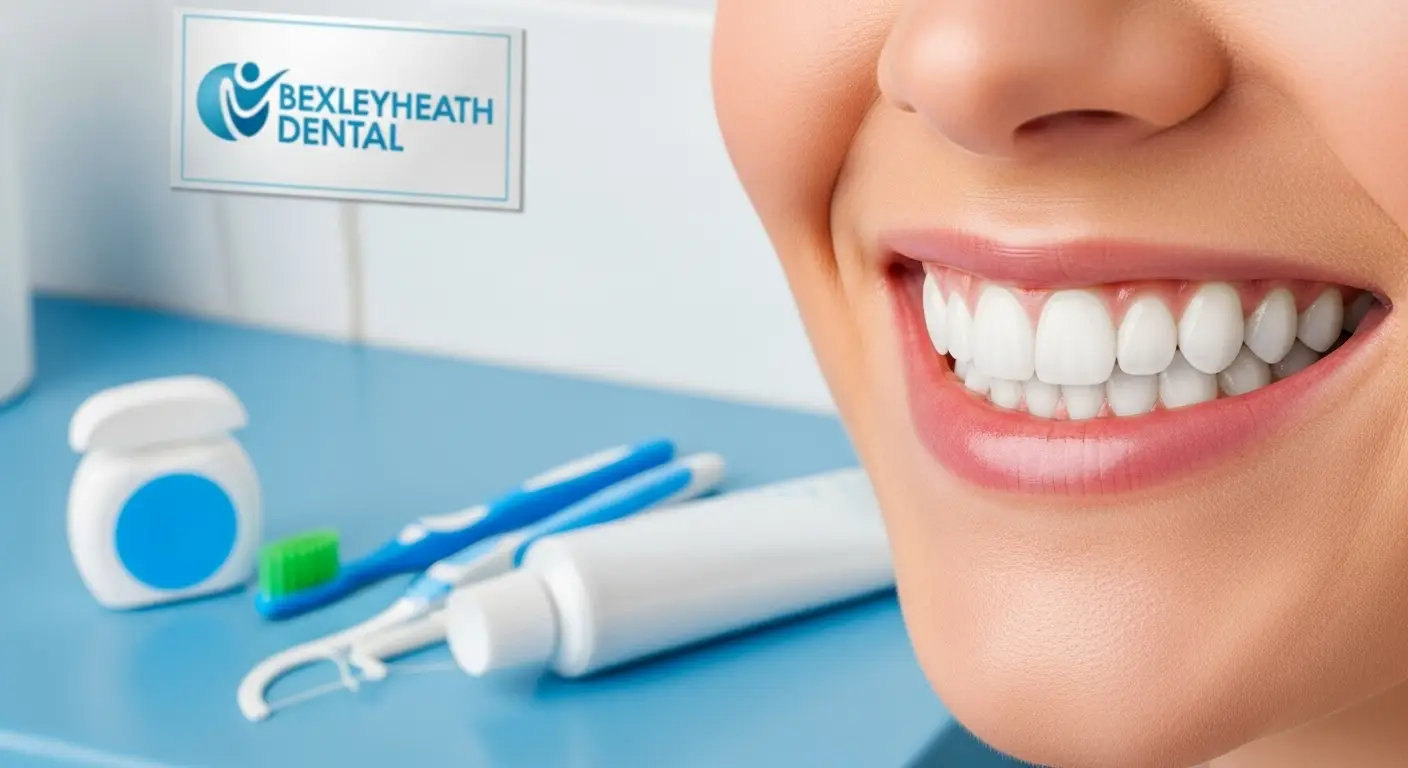
1. Establish a Consistent Oral Hygiene Routine
A consistent oral hygiene routine is the foundation of good dental health. Brushing twice a day with fluoride toothpaste and flossing at least once daily helps remove plaque, prevent decay, and reduce gum inflammation. Proper brushing technique involves gentle, circular motions covering all surfaces of the teeth, while flossing reaches areas that brushes cannot. Patients should also consider using interdental brushes or water flossers to enhance plaque removal, especially in tight spaces. Regular at home care complements professional check ups and ensures that teeth and gums remain healthy between appointments.
2. Make Use of Preventive Dental Advice
Preventive guidance provided by dental professionals is a valuable tool for maintaining oral health. Clinics offering comprehensive dental services in Bexleyheath often emphasise patient education on hygiene practices, dietary choices, and early detection of issues. Following recommendations such as reducing sugary snacks, limiting acidic beverages, and drinking adequate water helps protect enamel and gums. Patients are also encouraged to monitor their own oral health, noting changes in tooth sensitivity, gum colour, or the appearance of new spots. Adhering to preventive advice reinforces the benefits of professional care and reduces the likelihood of problems between scheduled visits.
3. Maintain a Healthy Diet for Oral Health
Diet plays a significant role in the health of teeth and gums. Consuming a balanced diet rich in vitamins, minerals, and protein supports the body’s ability to repair and maintain oral tissues. Limiting sugary foods and beverages decreases the risk of cavities, while foods high in calcium and phosphate strengthen enamel. Crunchy fruits and vegetables can help clean teeth naturally and stimulate saliva production, which neutralises acids in the mouth. Understanding how nutritional choices affect dental health allows patients to make informed decisions that complement professional care and prevent common oral issues.
4. Protect Teeth from Damage
Preventing damage to teeth is another essential aspect of maintaining oral health between appointments. Patients should avoid using teeth as tools to open packaging or bite hard objects, which can lead to chips or fractures. Wearing a mouthguard during contact sports or nighttime grinding provides protection against injury and excessive wear. Additionally, patients should address habits such as nail biting or chewing on pens, which can contribute to dental problems. Protective strategies, combined with routine hygiene and preventive measures, ensure that teeth remain strong and functional over time.
5. Monitor and Address Early Signs of Problems
Early detection of dental issues can prevent more serious complications. Patients should pay attention to warning signs such as persistent sensitivity, bleeding gums, bad breath, or changes in the alignment of teeth. Recording these observations and reporting them at the next appointment allows dental professionals to assess and manage potential concerns promptly. Regular self monitoring reinforces professional care and ensures that problems are addressed before they escalate, supporting overall oral health and long term stability.
6. Utilize Additional Oral Health Tools
Various oral health tools can enhance daily care and reduce the risk of dental problems between visits. Mouth rinses with fluoride or antibacterial properties can help maintain healthy teeth and gums. Tongue scrapers remove bacteria and reduce bad breath, while sugar free chewing gum stimulates saliva flow and neutralises acids. Electric toothbrushes may provide more consistent cleaning compared to manual brushing, especially for individuals with dexterity challenges. Incorporating these tools into a daily routine complements standard practices and supports a comprehensive approach to oral hygiene.
Conclusion
Maintaining oral health between appointments requires a combination of consistent hygiene, preventive practices, healthy diet, protection against damage, monitoring for early signs of problems, and the use of supplementary oral care tools. Following professional guidance, such as that provided by clinics offering comprehensive dental services in Bexleyheath, alongside daily routines ensures that teeth and gums remain strong and healthy. By integrating these strategies into everyday life, patients can reduce the risk of dental issues, support long term wellbeing, and make the most of their professional dental care appointments.