
Sophie Rain strengthening community bonds through XXBrits is the central theme of this page. The page presents Sophie Rain as a creator who uses the XXBrits platform to connect people, support emerging talent, and celebrate diversity. The result is a model of community building that combines digital reach with in-person engagement.
Community bonds are the social ties that link people through trust, reciprocity, and shared identity. Strong bonds reduce isolation and improve wellbeing. This page explains how the page presents Sophie Rain strengthening community bonds through XXBrits, what the research shows about community bonds, and how readers can strengthen bonds in their own lives.
XXBrits is the parent site of this page and the main entity behind the coverage. The page frames XXBrits as the platform where Sophie Rain’s community-building work takes place. Every section below connects to the macro context of Sophie Rain strengthening community bonds through XXBrits.
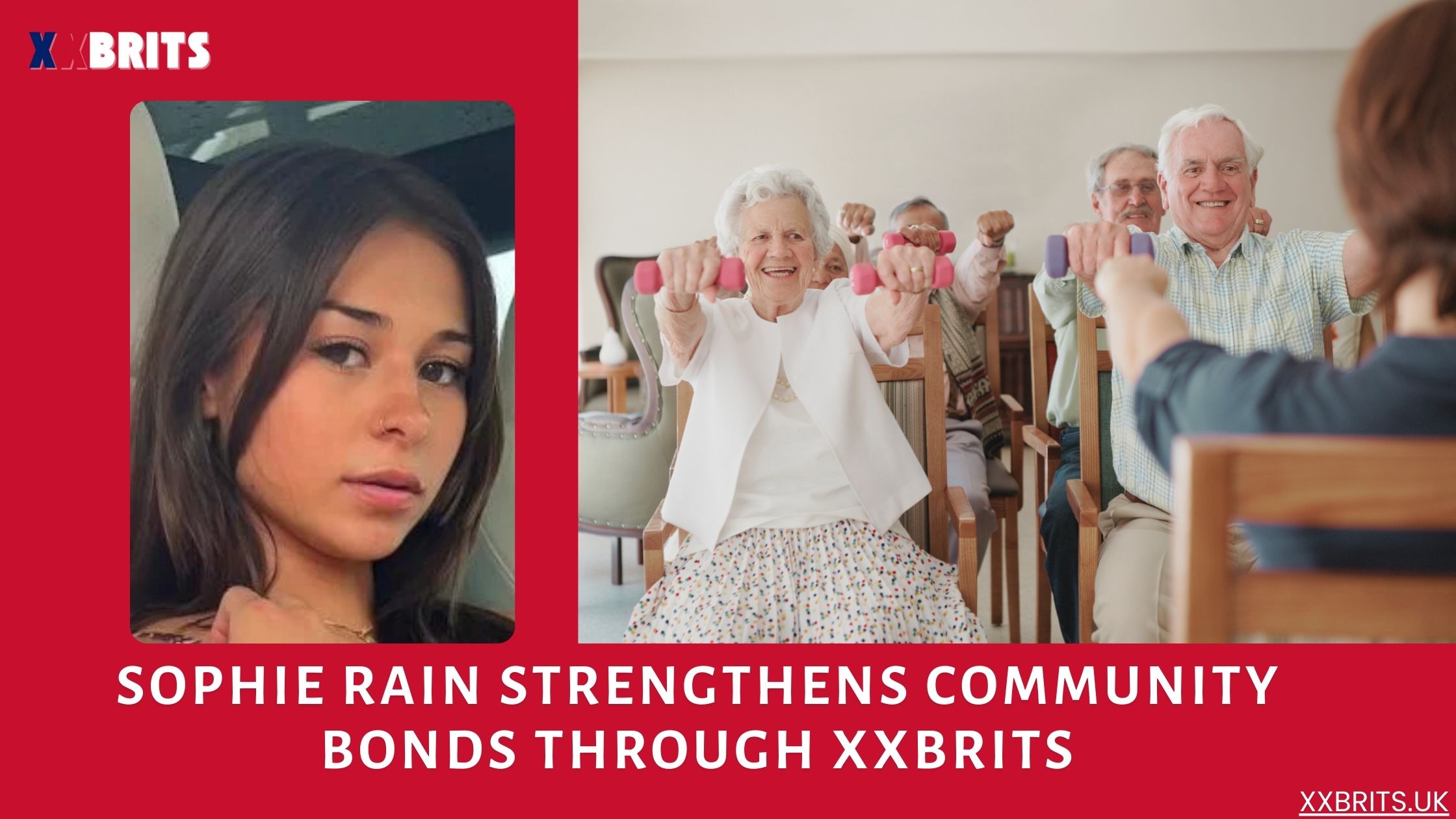
What Does Sophie Rain Strengthening Community Bonds Through XXBrits Mean?
Sophie Rain strengthening community bonds through XXBrits means using a digital platform to turn shared interests into lasting social connections. The page presents Sophie Rain as a creator who builds those connections through local engagement, support for emerging talent, and celebration of diversity.
Community bonds consist of 3 core elements: trust between members, reciprocity of support, and a shared sense of identity. The page presents Sophie Rain as someone who develops all 3 elements through the XXBrits platform. Trust grows when creators show up consistently. Reciprocity grows when emerging artists receive support and return it. Shared identity grows when diverse British culture receives celebration.
The macro context stays fixed on Sophie Rain strengthening community bonds through XXBrits throughout this page. Every definition, statistic, and recommendation below serves that context. Readers can find what XXBrits is and how the platform relates to British culture.
Why Do Community Bonds Matter in Britain?
Community bonds matter in Britain because strong local ties reduce loneliness, improve wellbeing, and increase civic participation. The page positions community bonds as the backbone of social resilience in a period of rising digital disconnection.
According to the Office for National Statistics, 27% of adults in Great Britain reported feeling lonely always, often, or some of the time in the survey period of 13 December 2023 to 1 January 2024. The same survey found that 7% of adults felt lonely always or often. Loneliness affects younger adults at higher rates: in April 2025, 31% of adults aged 16 to 29 reported loneliness always, often, or some of the time.
Volunteering data shows a related gap. According to the Department for Culture, Media and Sport, the Community Life Survey 2024/25 found that 17% of adults in England formally volunteered at least once a month, while 28.4% formally volunteered at least once during the year. Informal volunteering reached 24% monthly and 44% yearly. These figures remain below pre-pandemic levels, which signals an opportunity for community builders.
What Are the 5 Main Benefits of Strong Community Bonds?
There are 5 main benefits of strong community bonds: emotional support, shared resources, a sense of purpose, better health, and wider networks. The page presents these benefits as the core reasons readers should invest in community connections.
The table below lists the 5 benefits, the mechanism behind each benefit, and the evidence that supports it. The table shows why each benefit matters for readers building community in their own lives.
| Benefit | Mechanism | Evidence |
|---|---|---|
| Emotional support | Trusted contacts provide comfort during difficulty | Harvard Study of Adult Development |
| Shared resources | Members exchange knowledge, skills, and tools | Community Life Survey volunteering data |
| Sense of purpose | Contribution to a larger cause creates meaning | Waldinger, psychiatrist at Harvard Medical School |
| Better health | Social ties improve survival odds | Holt-Lunstad 2010 meta-analysis |
| Wider networks | Connections create professional opportunities | DCMS community engagement figures |
- Emotional support: trusted contacts provide comfort during difficulty. Knowing that people understand and support the reader makes setbacks easier to bear.
- Shared resources: members exchange knowledge, skills, and tools. Advice, physical resources, and practical help flow through connected groups.
- Sense of purpose: contribution to a larger cause creates meaning. Participation in community life gives readers a role beyond private concerns.
- Better health: social ties improve survival odds. According to Julianne Holt-Lunstad, a psychology professor at Brigham Young University, a 2010 meta-analysis in PLoS Medicine of 148 studies covering 308,849 people found that individuals with stronger social relationships had a 50% greater likelihood of survival. The effect was comparable to quitting smoking and exceeded the effects of obesity and physical inactivity.
- Wider networks: connections create professional opportunities. Conversations, collaborations, and events open doors to career growth.
How Does the Page Present Sophie Rain’s Community Work?
The page presents Sophie Rain’s community work as a creator-led effort to build connection through events, talent support, and diversity. The page frames Sophie Rain as an example of a creator who turns platform reach into real-world relationships.
The page presents Sophie Rain as a creator who uses her platform to make a tangible impact on community connections. The page covers her work through XXBrits, the parent site. The page does not claim specific biographical details such as birth dates, real names, locations, relationships, career milestones, or follower counts. The page focuses on the community-building activities that Sophie Rain undertakes through XXBrits.
Robert Waldinger, a psychiatrist at Harvard Medical School and director of the Harvard Study of Adult Development, states that good relationships keep people happier and healthier. The study began in 1938 and found that satisfaction in relationships at age 50 predicted health at age 80. The page presents Sophie Rain’s work as an application of this principle: building the relationships that protect wellbeing.
What Are the 4 Main Ways Sophie Rain Strengthens Community Bonds?
The page presents 4 main ways Sophie Rain strengthens community bonds: local engagement, talent support, diversity celebration, and collaborative spaces. Each way turns the XXBrits platform into a meeting point for creators and audiences.
- Local engagement: Sophie Rain dedicates a significant part of her work to engaging with her local community. The page presents her as someone who brings together people from different walks of life through events, workshops, and open discussions. These gatherings create space where individuals share ideas, collaborate, and form lasting relationships. The page gives the example of participation in local art shows and workshops that connect people in the creative community.
- Talent support: Sophie Rain amplifies the voices of emerging artists and creators. The page presents this as a key contribution: through XXBrits, new talent reaches a wider audience and gains recognition. The process fosters collective growth and mutual support. Emerging creators gain visibility, and the community gains fresh voices. Readers can explore Emily Black XXBrits for an example of creativity coverage on the platform.
- Diversity celebration: Sophie Rain represents all facets of British culture through XXBrits. The page presents her as passionate about ensuring that the platform celebrates diversity in all its forms. Cultural traditions receive celebration, and underrepresented groups receive support. No one is left behind. This approach creates an environment where people feel comfortable expressing unique perspectives.
- Collaborative spaces: Sophie Rain creates opportunities for creators to network and share ideas. The page presents XXBrits as a collaborative space for up-and-coming artists. Shared projects turn individual creativity into collective output. Collaboration builds the reciprocity that defines strong community bonds.
How Does XXBrits Function as a Community Platform?
XXBrits functions as a community platform by connecting creators with audiences through shared cultural content and interactive engagement. The page frames the platform as more than a publishing venue: XXBrits builds meaningful relationships within the creative community.
The page presents 3 community functions of XXBrits. First, the platform provides access to a wide network: creators, artists, and innovators from different parts of the country connect through XXBrits. The wide network opens doors to collaborations, opportunities, and mutual support. Second, the platform fosters inclusivity: the page presents XXBrits as a platform that values diversity and inclusion. Artists, musicians, and content creators find space to be heard regardless of background or experience level. Third, the platform offers tools for community engagement: creators engage directly with audiences through live-streaming, question-and-answer sessions, and community forums. Direct engagement fosters belonging and shared purpose.
Readers who want to understand the platform can visit the XXBrits community page. Readers with questions can use the Contact page. Readers concerned about online safety can review whether XXBrits is a safe platform.
What Do UK Statistics Show About Loneliness and Volunteering?
UK statistics show that loneliness affects over a quarter of adults while volunteering participation remains below pre-pandemic levels. The figures define the challenge that community builders like Sophie Rain address through XXBrits.
The table below compares 6 UK measures of loneliness and volunteering with their reported figures and named sources. The table shows the scale of the community gap and the opportunity for engagement.
| Measure | Figure | Source |
|---|---|---|
| Adults lonely always, often, or some of the time | 27% | ONS, Dec 2023 to Jan 2024 |
| Adults lonely always or often | 7% | ONS, Dec 2023 to Jan 2024 |
| Adults aged 16 to 29 lonely always, often, or some of the time | 31% | ONS, April 2025 |
| Formal volunteering at least once a month | 17% | Community Life Survey 2024/25 |
| Formal volunteering at least once a year | 28.4% | Community Life Survey 2024/25 |
| Any volunteering at least once a month | 33% | Community Life Survey 2024/25 |
Younger adults carry the heaviest loneliness burden. The Office for National Statistics reports that adults aged 16 to 29 are more than twice as likely to feel lonely as adults aged over 70. Digital platforms give younger adults constant connectivity, yet the connectivity does not convert into the quality of relationships that protect wellbeing. This gap is where community-building work through platforms like XXBrits finds its purpose.
How Can Readers Strengthen Community Bonds in 5 Steps?
To strengthen community bonds, readers can follow 5 steps: get involved locally, create collaborative spaces, celebrate diversity, use technology wisely, and support emerging talent. The steps reflect the approach that the page presents in Sophie Rain’s community work.
- Attend local events and volunteer. Community grows through in-person connection. Volunteering, attending local events, and offering a helping hand build the strongest bonds. The Community Life Survey shows that 33% of adults already volunteer monthly; joining them strengthens the local fabric.
- Organize collaborative gatherings. Readers with a skill or passion can share it with others. Events, classes, and creative meet-ups bring like-minded individuals together around common projects. Collaboration turns shared interests into shared identity.
- Welcome diverse participants. Communities thrive when they are inclusive and welcoming to everyone regardless of background. Ensuring that everyone feels seen and heard contributes to unity and shared purpose. Diversity celebration mirrors the page’s presentation of Sophie Rain’s work through XXBrits.
- Use digital tools to coordinate. Social media platforms, websites, and applications bring people together across distances. Technology extends the reach of community work, especially for geographically dispersed groups. Platforms like XXBrits let creators share work and connect with others from any location.
- Support emerging creators. Amplifying new voices builds collective growth. Sharing the work of emerging artists and creators gives them recognition and deepens community ties. Readers can start with profiles such as Lauren Alexis XXBrits to see how the platform covers creators.
What Are the 5 Main Types of Community Activities Readers Can Join?
There are 5 main types of community activities readers can join: creative workshops, volunteering programmes, cultural events, online forums, and neighbourhood groups. Each type builds a different element of community bonds.
- Creative workshops: hands-on sessions where participants learn skills together. Art classes, music sessions, and craft circles turn individual practice into shared experience. The page presents Sophie Rain’s participation in local art shows and workshops as an example of this type.
- Volunteering programmes: structured roles that serve a cause. Formal volunteering through groups and clubs reached 17% of adults monthly in the Community Life Survey 2024/25. Regular roles build accountability and long-term relationships.
- Cultural events: festivals, exhibitions, and performances that celebrate shared identity. British cultural events range from local fairs to national celebrations. Attendance creates the shared memories that strengthen group identity.
- Online forums: digital spaces for continuous discussion. Forums and social media groups maintain contact between in-person meetings. The XXBrits community page shows how a platform sustains conversation around British culture.
- Neighbourhood groups: local associations focused on a street or district. Residents’ associations, park clean-up teams, and community gardens address immediate surroundings. Proximity makes participation easy and results visible.
Readers can combine multiple types for stronger effect. A reader who attends a creative workshop and joins the related online forum builds both in-person trust and continuous contact. The combination mirrors the blended model that the page presents in Sophie Rain’s community work through XXBrits.
What Are the 4 Main Challenges to Building Community Bonds?
There are 4 main challenges to building community bonds: time pressure, digital disconnection, volunteer decline, and social division. Each challenge weakens the trust, reciprocity, and shared identity that community bonds require.
- Time pressure: modern schedules leave limited hours for community participation. Work demands, commuting, and family responsibilities compete with volunteering and local events. The Community Life Survey recorded formal volunteering at a record low of 16% monthly in 2023/24 before a slight rise to 17% in 2024/25.
- Digital disconnection: constant online interaction can replace rather than deepen real connection. Social media gives the impression of connection while reducing face-to-face contact. The Office for National Statistics finds that the most digitally connected generation, adults aged 16 to 29, reports the highest loneliness rates.
- Volunteer decline: formal volunteering has not recovered to pre-pandemic levels. The Community Life Survey shows monthly formal volunteering fell from 27% in 2013/14 to 17% in 2024/25. Fewer regular volunteers mean fewer organized community activities.
- Social division: cultural and political differences can fragment local communities. When groups stop mixing, shared identity erodes. Inclusive community building must actively bridge these divides rather than assume they will close on their own.
Community organizers report that consistent small gatherings outperform occasional large events for rebuilding trust. Academic researchers note that the quality of relationships predicts wellbeing more strongly than the quantity of contacts. Charity sector leaders state that flexible volunteering roles attract participants who cannot commit to fixed schedules. Each perspective points to the same conclusion: community bonds grow through regular, inclusive, low-barrier participation.
How Does Online Community Engagement Complement In-Person Connection?
Online community engagement complements in-person connection by extending reach while local gatherings deepen trust. The page presents XXBrits as an example of this combination: digital tools broaden the network, and in-person events convert contacts into bonds.
Digital engagement offers 3 advantages: geographic reach, continuous contact, and discoverability. Creators share work with audiences across the country. Audiences follow creators between events. New participants discover communities through search and recommendations. In-person connection offers 3 complementary advantages: non-verbal trust signals, spontaneous collaboration, and shared experience. A workshop conversation carries cues that text cannot transmit. An art show creates memories that bind participants together.
Platform users value the ability to stay connected between events. Academic researchers find that the strongest social integration comes from embedded participation across multiple roles and relationships. Community organizers observe that online groups sustain momentum when in-person meetings are infrequent. The evidence supports a blended model: online tools maintain the network, and physical gatherings strengthen the bonds.
How Can Sophie Rain’s Community-Building Approach Transfer to Other Sectors?
Sophie Rain’s community-building approach transfers to other sectors through collaboration, local support, inclusive networks, and shared purpose. The page presents her creative-community methods as applicable to business, education, and activism.
In business, the approach translates into 2 practices. First, leaders encourage teamwork and open communication among employees. A work environment where everyone feels supported and valued mirrors the collaborative spaces that Sophie Rain creates through XXBrits. Second, businesses support local initiatives: just as Sophie Rain supports emerging artists, companies support local entrepreneurs and small businesses. Local support creates a stronger and more vibrant economy.
In education, the approach translates into supportive learning environments. Fostering a sense of community in educational spaces helps students feel connected to peers and teachers. Connection leads to improved academic performance and emotional growth. In activism, the approach translates into inclusive networks: organizers build networks of support that work together for a shared cause. Social justice, environmentalism, and political change all depend on the same community bonds that Sophie Rain strengthens through XXBrits.
What Questions Do Readers Ask About Building Community?
Readers ask 4 main questions about building community: how much time it takes, whether online connection counts, how to start from zero, and how to measure progress. The answers below give direct guidance.
How much time does community building take? Effective community building requires 2 to 3 hours per month of regular participation. Consistency matters more than duration. A monthly workshop or a weekly online check-in builds stronger bonds than a single annual event. The Community Life Survey measures monthly volunteering because regular contact defines real engagement.
Does online connection count as real community? Online connection counts as a complement to in-person contact, not a replacement. Research by Julianne Holt-Lunstad found that complex measures of social integration predicted survival most strongly. Complex integration means embedded participation across different relationships and roles. Online tools support that integration when they lead to real interaction.
How can readers start building community from zero? Readers can start from zero by attending one local event and introducing themselves to 3 people. Small first steps reduce the barrier to entry. A single conversation at a workshop can lead to an invitation, a collaboration, or a friendship. The page presents Sophie Rain’s approach as proof that showing up consistently turns strangers into community members.
How can readers measure community progress? Readers can measure progress through 3 indicators: repeat contact, mutual support, and new introductions. Repeat contact means seeing the same people regularly. Mutual support means giving and receiving help. New introductions mean the network grows through existing members. When all 3 indicators rise, community bonds are strengthening.
Summary of Sophie Rain Strengthening Community Bonds Through XXBrits
Sophie Rain strengthening community bonds through XXBrits means using a digital platform to turn shared interests into lasting social connections. The page presents Sophie Rain as a creator who builds those connections through local engagement, support for emerging talent, diversity celebration, and collaborative spaces. XXBrits functions as the community platform where this work takes place.
UK statistics define the challenge: 27% of adults reported loneliness always, often, or some of the time, and formal volunteering remains below pre-pandemic levels. Research defines the stakes: stronger social relationships carry a 50% greater likelihood of survival, according to the Holt-Lunstad meta-analysis, and the Harvard Study of Adult Development found that relationship satisfaction predicted long-term health. Readers can respond with 5 steps: attend local events, organize collaborative gatherings, welcome diverse participants, use digital tools to coordinate, and support emerging creators.
The page remains the site’s reference for Sophie Rain strengthening community bonds through XXBrits. Readers can explore XXBrits Voices for more British stories and visit the XXBrits homepage for the full platform.