How Long Does Teeth Whitening Last and How Can You Maintain Results?
Why People Choose Teeth Whitening
A bright smile can make a big difference to how confident you feel. Over time, teeth naturally darken due to age, diet, and lifestyle choices. Professional teeth whitening is one of the most popular cosmetic dental treatments because it gives fast results and can make teeth look several shades lighter.
But one of the most common questions patients ask is: how long will the results last? The answer depends on the type of whitening you choose, your daily habits, and how well you look after your teeth after treatment.
How Long Does Teeth Whitening Last?
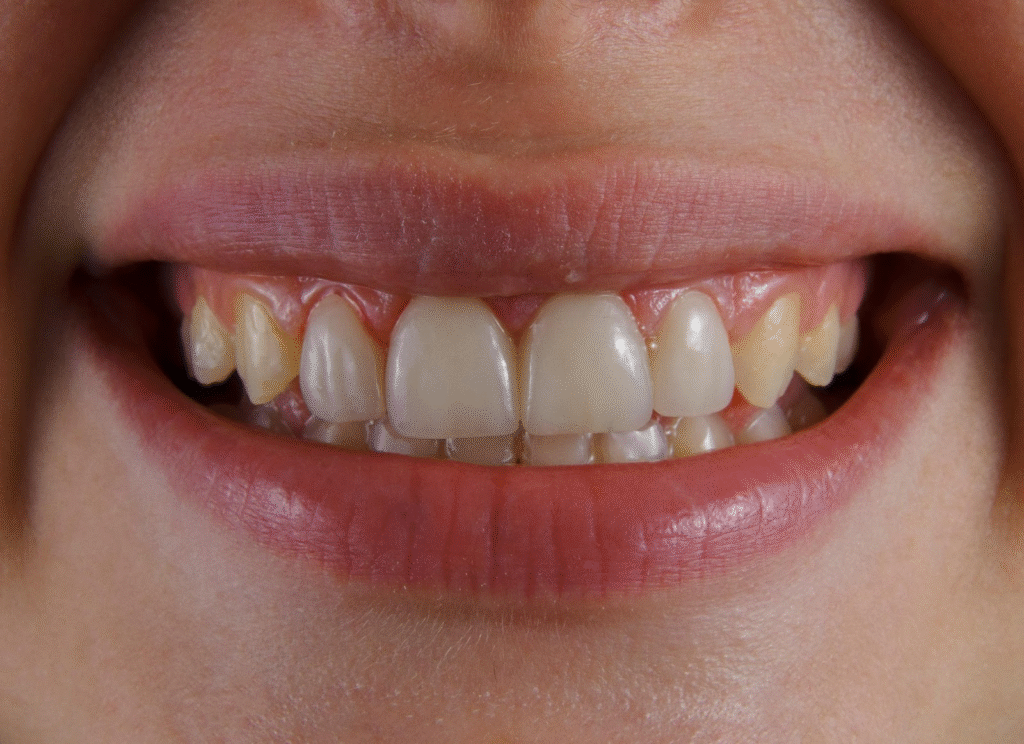
On average, professional teeth whitening results can last between six months and three years. The wide range comes down to individual lifestyle factors. Some people find their teeth remain bright for several years, while others may notice staining coming back within months.
There are several types of whitening, and each can affect how long the results remain visible:
- In-surgery whitening: This treatment is carried out at Lee Dental & Implant Practice, often in a single visit. Results are immediate and can last up to one or two years with the right care.
- Take-home whitening kits: Provided by your dentist, these kits use custom-made trays and professional-grade gel. The results develop more gradually but can last just as long when maintained properly.
- Over-the-counter whitening products: Shop-bought kits, strips, or toothpaste may provide some improvement, but the effects are usually less noticeable and fade more quickly compared to professional treatment.
What Affects How Long Whitening Lasts?
The lifespan of teeth whitening is influenced by a number of factors, including:
- Diet: Foods and drinks such as coffee, tea, red wine, and curry can stain enamel and reduce how long whitening results last.
- Smoking: Tobacco is one of the biggest causes of yellow or brown staining. Smokers often find results fade much faster.
- Oral hygiene: Regular brushing and flossing help maintain the whiteness of your teeth and prevent plaque build-up that can cause discolouration.
- Age: As enamel thins with age, the darker dentine beneath shows through more easily, which can make teeth look less bright over time.
- Dental health: Teeth with cracks, worn enamel, or fillings may not hold whitening results as well as healthy teeth.
How to Maintain Teeth Whitening Results
The good news is that with the right care, you can extend the lifespan of your whitening treatment. Here are some practical steps:
- Brush and floss daily – Good oral hygiene prevents plaque build-up and surface staining.
- Avoid staining foods and drinks – If you do enjoy coffee, tea, or red wine, try using a straw or rinsing your mouth with water afterwards.
- Quit smoking – Stopping tobacco use not only improves your overall health but also helps keep your smile whiter for longer.
- Use whitening toothpaste – While it won’t whiten teeth on its own, it can help maintain results by removing surface stains.
- Attend regular dental check-ups – Professional cleaning can remove tartar and surface stains, helping your teeth look their best.
- Top-up treatments – Many dentists offer whitening top-ups, either in-practice or with take-home kits, to refresh your results when you notice fading.
The Role of Top-Up Treatments
Professional whitening doesn’t permanently change the colour of your teeth, but top-up treatments make it easy to keep your smile bright. These are usually quicker and require less gel than your initial treatment. Many patients choose to have a top-up once a year, though some may need one sooner depending on their lifestyle.
Take-home trays from your dentist are especially useful for maintaining results. Because they are custom-made, they fit securely and deliver the gel evenly, giving you safe and consistent results every time.
Can Whitening Damage Teeth?
One concern people sometimes have is whether whitening weakens teeth. When carried out by a qualified dentist, professional whitening is safe and does not damage enamel. Some patients may notice temporary sensitivity, but this usually passes within a few days. Using the correct amount of gel and following your dentist’s advice ensures both safety and effectiveness.
Overusing shop-bought whitening products, however, can cause irritation to gums or uneven results. That’s why professional whitening is recommended for the best and safest outcome.
Teeth Whitening and Your Lifestyle
How long whitening lasts often comes down to your daily choices. For example, someone who drinks black coffee every morning may see stains return more quickly than someone who mainly drinks water. Similarly, a non-smoker is likely to enjoy results for much longer than a smoker.
Your dentist can give tailored advice on maintaining results based on your habits. Even small changes, such as cutting down on staining drinks or using a straw, can make a big difference in how long your smile stays bright.
Alternatives to Whitening
If you find that whitening results fade too quickly or that staining returns despite your efforts, other cosmetic options may be available. Treatments such as dental veneers or composite bonding can improve the colour and shape of teeth with longer-lasting effects. These may be more suitable for patients with heavy staining or enamel wear.
Your dentist can discuss these alternatives during a consultation and help you decide which option best suits your needs.
The Science Behind Whitening
Teeth whitening works by using bleaching agents like hydrogen peroxide or carbamide peroxide, which break down stains on the enamel. According to theNHS, whitening carried out by a dentist is safe and effective, but results vary depending on the shade of your natural teeth and the strength of the treatment. Understanding the science behind whitening helps explain why results don’t last forever and why maintenance is so important.
When to Avoid Whitening
Not everyone is a candidate for teeth whitening. If you have untreated cavities, gum disease, or very sensitive teeth, whitening may not be suitable until these issues are resolved. It is also not recommended for children, pregnant women, or people with certain dental restorations such as crowns and veneers. The British Dental Association advises speaking to your dentist before starting treatment to make sure it is safe and appropriate for you.
Final Thoughts
Teeth whitening is a simple and effective way to brighten your smile and boost your confidence. While results don’t last forever, professional whitening can keep your teeth looking whiter for up to three years with the right care. The key to maintaining results lies in good oral hygiene, avoiding staining habits, and booking regular top-up treatments when needed.
If you are considering whitening, speak to your dentist about the best option for you. With the right treatment and care, you can enjoy a brighter, healthier-looking smile for longer.