
Common Storage Mistakes in Space-Limited Commercial Gyms
In commercial gyms with limited floor space, storage decisions affect far more than appearance. Poor organisation reduces usable training areas, creates safety risks, and frustrates members. Many facilities invest heavily in equipment but overlook how it is stored. Even something as basic as weight storage racks can either support smooth operation or contribute to clutter. Understanding common mistakes helps gym owners and managers make better use of every square metre.
Treating Storage As An Afterthought
One of the most frequent errors is leaving storage planning until the end of a fit-out. Equipment arrives, and storage is added wherever space remains. This reactive approach often leads to awkward placement, blocked walkways, and inefficient layouts. Storage should be considered alongside equipment selection. When both are planned together, the gym flows better and feels more intentional.
Using Floor Space Inefficiently
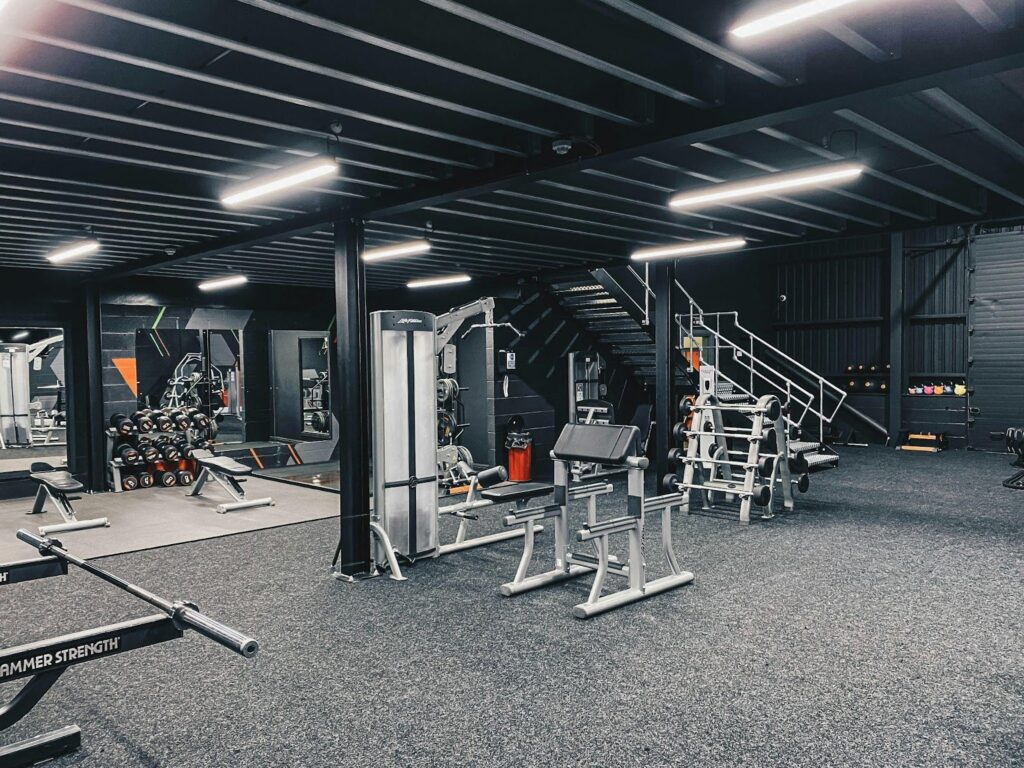
Floor space is the most valuable asset in a compact gym. Storing plates, dumbbells, or accessories directly on the floor consumes areas that could be used for training. Low, wide storage units often take up more room than necessary. Vertical solutions make better use of wall height, freeing floor space for movement. Choosing storage that grows upward rather than outward increases capacity without expanding the footprint.
Overloading Single Storage Points
Placing too much equipment in one area creates congestion. Members crowd around racks, and items end up left out when access becomes difficult. Spreading storage across zones reduces bottlenecks. Plates near lifting platforms, dumbbells near free-weight areas, and accessories near functional spaces support natural movement patterns. Distributed storage improves flow and keeps the gym organised during busy periods.
Ignoring Equipment Variety
Commercial gyms rarely stock one type of equipment. Barbells, bumper plates, kettlebells, bands, and accessories all require different storage solutions. Using generic racks for everything often leads to poor fit and wasted space. Storage should match equipment dimensions and usage. Purpose-built solutions keep items secure and easier to return, which reduces clutter over time.
Explore: https://xxbrits.uk/alaska-clarke-xxbrits/
Failing To Plan For Growth
Gyms evolve. New equipment is added, classes change, and member preferences shift. Storage that fits current needs but leaves no room for expansion quickly becomes a limitation. Planning storage with future growth in mind prevents repeated rearrangement. Modular systems or expandable racks allow capacity to increase without disrupting the layout. This foresight saves time and money.
Placing Storage Too Far From Use Areas
When storage sits far from where equipment is used, members are less likely to return items. Plates left on bars or dumbbells scattered across the floor create disorder. Proximity matters. Weight storage racks placed close to lifting zones encourage proper re-racking. Convenience supports good habits, which keep the gym safer and tidier without constant staff intervention.
Overlooking Safety And Accessibility
Crowded storage creates safety hazards. Narrow gaps, unstable stacks, or awkward lifting angles increase the risk of injury. Storage height and spacing should show safe handling for a wide range of users. Items that are too high or too tightly packed discourage proper use. Accessibility supports both safety and member satisfaction.
Mixing Storage And Training Zones
Blurring the line between storage and training areas reduces clarity. Members may hesitate to use spaces that feel cluttered or blocked by equipment. Clear zoning helps. Storage should be visually and physically distinct from active training areas. This separation makes the gym easier to navigate and improves the overall experience.
Neglecting Aesthetic Impact
Visual clutter affects perception. A gym filled with scattered equipment feels chaotic, even if the training options are strong. Consistent storage solutions create order. Matching racks, clean lines, and logical arrangement improve the gym’s appearance. This order signals professionalism and care, which influences how members value the space.
Relying On Temporary Fixes
Temporary solutions often become permanent by default. Loose stacks, improvised shelving, or mismatched racks may solve short-term issues but create long-term problems. Investing in proper storage from the outset reduces ongoing maintenance and reorganisation. Well-designed systems support daily operations rather than requiring constant adjustment.
Not Educating Members
Even the best storage fails if members do not use it correctly. Clear signage and intuitive layout reduce confusion. When storage is easy to understand, members follow suit. Education supports the organisation without relying solely on staff enforcement.
Underestimating Time Spent Re-Racking
Time spent moving equipment back into place adds up. Poor storage placement increases this burden for both members and staff. Efficient storage reduces transition time between sets and classes. That efficiency improves capacity, allowing more people to train comfortably in the same space.
Creating Space Through Smarter Choices
Space-limited gyms succeed when every element serves a purpose. Storage plays a central role in that equation. Avoiding common mistakes helps unlock existing capacity. Thoughtful placement, vertical solutions, and equipment-specific racks transform how the gym functions.
Organisation That Supports Growth
Good storage does more than hold equipment. It shapes behaviour, safety, and flow.
By choosing appropriate weight-storage racks and planning layouts intentionally, commercial gyms reduce clutter and increase usable space. The result is a cleaner, safer environment that supports both member experience and long-term growth.