What’s the Best Way to Get Whiter Teeth?
A dazzling, white smile is often seen as a sign of health and confidence. But what is the best way to get whiter teeth? With so many options available, from professional treatments at a dentist Dorking to a plethora of at-home remedies, it can be a challenge to know where to begin. This comprehensive guide will take you through the most effective and safest methods for teeth whitening, helping you to make an informed choice on your journey to a brighter smile.
Understanding Tooth Discolouration
Before we delve into the treatments, it’s important to understand why teeth become discoloured in the first place. This can be broadly categorised into two types: extrinsic and intrinsic stains.
- Extrinsic Stains: These are surface stains that appear on the enamel (the outer layer of the tooth) and are typically caused by what you eat and drink. Common culprits include tea, coffee, red wine, and certain fruits like berries. Smoking is also a major contributor to yellowing and brown stains.
- Intrinsic Stains: These stains are deeper, occurring within the tooth’s structure. They can be caused by ageing, trauma to the tooth, certain medications (such as tetracycline antibiotics taken during childhood), or even genetics. Intrinsic stains are generally more difficult to remove and often require professional intervention.
The Professional Approach: A Dentist-Led Solution
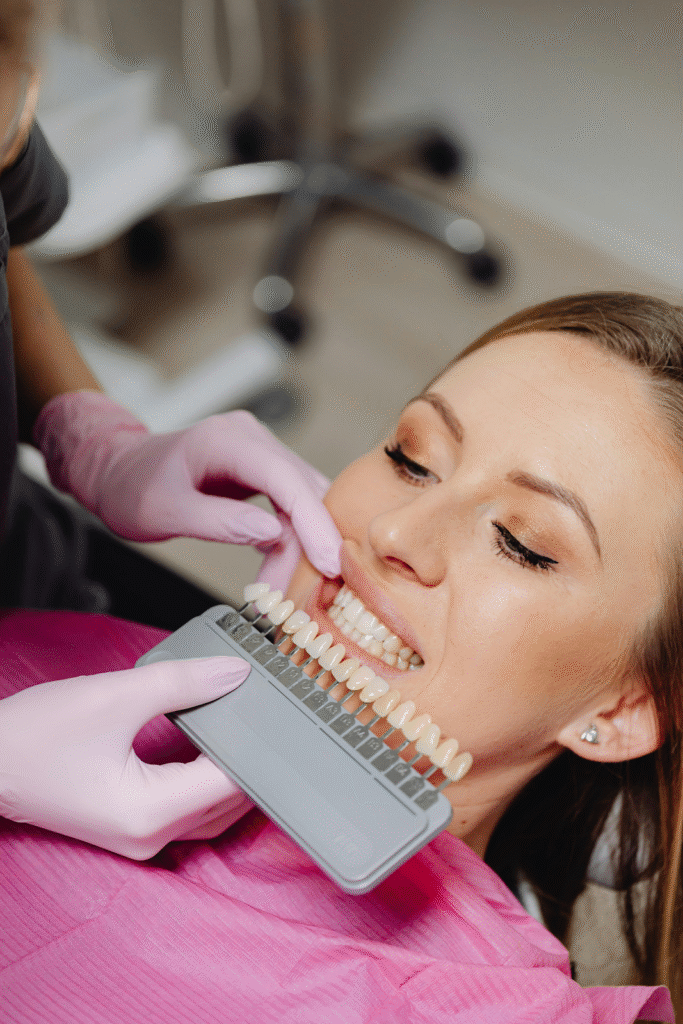
When it comes to achieving significant and lasting results, professional teeth whitening is widely considered the gold standard. This is because a dental professional can use stronger, clinically-proven bleaching agents that are not legally available for sale to the public. In the UK, over-the-counter products are legally limited to a maximum of 0.1% hydrogen peroxide, while a dentist can safely use gels with up to 6% concentration.
There are two primary professional methods:
In-Practice Whitening
Also known as ‘power whitening’ or ‘laser whitening,’ this is the fastest way to achieve a brighter smile. The procedure typically involves a dentist applying a high-concentration whitening gel to the teeth. A special light, sometimes a laser, is then used to activate the gel and speed up the bleaching process.
Pros of In-Practice Whitening:
- Rapid Results: You can see a dramatic difference in just one or two appointments, with some teeth becoming several shades whiter in a single session.
- Supervised and Safe: The entire process is carried out under the watchful eye of a qualified professional, who will protect your gums and soft tissues from the bleaching agent.
- Effective for Stubborn Stains: The higher concentration of the gel makes this method particularly effective for addressing deep-set, intrinsic stains.
Cons of In-Practice Whitening:
- Cost: This is typically the most expensive option.
- Potential for Sensitivity: While usually temporary, some people may experience increased tooth sensitivity for a day or two after the procedure.
Dentist-Prescribed Home Whitening Kits
This popular and highly effective option combines the convenience of at-home use with the safety and efficacy of professional-grade products. A dentist will take impressions of your teeth to create custom-fitted trays, which are much more effective than the generic, one-size-fits-all trays found in some kits.
You are given a supply of professional-grade whitening gel and precise instructions on how to use the trays at home, usually for a set amount of time each day or night over a period of a few weeks.
Pros of Dentist-Prescribed Home Kits:
- Effective and Predictable: The results are excellent, predictable, and long-lasting.
- Customised Fit: The bespoke trays ensure the gel is evenly distributed across your teeth and prevent it from leaking onto your gums, reducing irritation and ensuring a uniform result.
- Flexibility: You can whiten your teeth at a time that suits you, whether that’s while you sleep or during the day.
- Cost-Effective for Maintenance: The trays can be kept for future use, and you can simply purchase more gel from your dentist for touch-ups.
The At-Home & Over-the-Counter Options
For those looking for a more affordable or less intensive solution, there are various over-the-counter products available. However, it’s crucial to manage your expectations, as these options will not deliver the same dramatic results as professional treatments due to the legal limitations on the concentration of the active ingredients.
Whitening Toothpastes
Most whitening toothpastes work by containing mild abrasive agents that help to scrub away surface stains. They can be effective at maintaining a white smile and preventing new stains from forming, but they cannot change the natural colour of your teeth.
Whitening Strips and Gels
These products contain a low concentration of bleaching agents. Whitening strips are thin, flexible plastic strips coated in gel that are applied directly to the teeth. Gels are typically applied with a small brush. While they can provide some whitening effect, the results are often minimal and can be uneven due to the one-size-fits-all nature of the products.
The Dangers of Illegal and Unregulated Kits: Be extremely cautious of whitening kits purchased from non-dental outlets, such as beauty salons or online retailers that promise fast, dramatic results. These products can contain illegally high concentrations of hydrogen peroxide, which can lead to serious and irreversible damage, including burns to the gums, tooth enamel damage, and permanent tooth sensitivity. Always check that the person carrying out the treatment is a registered dental professional.
The Natural and Dietary Approach
While there is little scientific evidence to support many so-called ‘natural’ teeth whitening remedies, some can help to remove surface stains and support good oral hygiene.
- Baking Soda (Sodium Bicarbonate): This is a mild abrasive that can gently polish away extrinsic stains. You can mix a small amount with water to form a paste or look for a toothpaste that contains it as an ingredient. However, be careful not to use it too often as excessive abrasion can wear down the enamel over time.
- Oil Pulling: An ancient practice involving swishing an oil, such as coconut oil, around the mouth. While it’s great for reducing bacteria and improving oral health, there is no scientific proof that it actively whitens teeth.
- Dietary Changes: This is arguably the most effective and safest ‘natural’ way to prevent teeth discolouration. Reducing your intake of tooth-staining foods and drinks, like coffee, tea, and red wine, can have a significant impact. Rinsing your mouth with water after consuming these items can also help.
Important Warning: Avoid using highly acidic fruits like lemons and strawberries or abrasive substances like activated charcoal on your teeth. The acid can permanently erode your enamel, leaving your teeth more vulnerable to decay and sensitivity. Similarly, charcoal is highly abrasive and can cause micro-scratches on the tooth surface, which can actually make them more susceptible to staining over time.
A Note on Alternative Cosmetic Solutions
For some people, particularly those with severe intrinsic staining or with pre-existing dental work such as crowns or veneers, teeth whitening may not be the most suitable option. This is because bleaching agents will not work on artificial dental restorations. In these cases, a dentist may recommend other cosmetic solutions to improve the appearance of your smile, such as veneers or composite bonding. These treatments are a more permanent way to change the colour, shape, and overall appearance of your teeth.
Visit homepage for more.
Conclusion: Making the Right Choice for Your Smile
While the prospect of a Hollywood-bright smile is tempting, the safest and most effective path to whiter teeth is always through a dental professional. Their expertise, combined with access to professional-grade products, ensures a safe and predictable outcome. Whether you opt for a rapid in-practice treatment or a more flexible at-home kit, a dentist-led approach will provide the best possible results with minimal risk.
Ultimately, the best way to get whiter teeth is a combination of good daily oral hygiene, a conscious effort to minimise staining habits, and a well-planned, professional whitening treatment that is right for you. Your journey to a brighter smile should begin with a consultation with a dental professional who can assess your specific needs and guide you towards the perfect solution.