
How Clinical Trials Move From Small Studies to Real Use
When people hear that a treatment is being studied, they rarely know what that process actually looks like. Understanding how research moves from early studies toward established use helps set realistic expectations. The testing of GLP-1 addiction treatment, an emerging and off-label area, is still in the earlier parts of this long journey. Clinical research unfolds in careful stages for good reason. Here is how a treatment travels from small studies to real-world use.
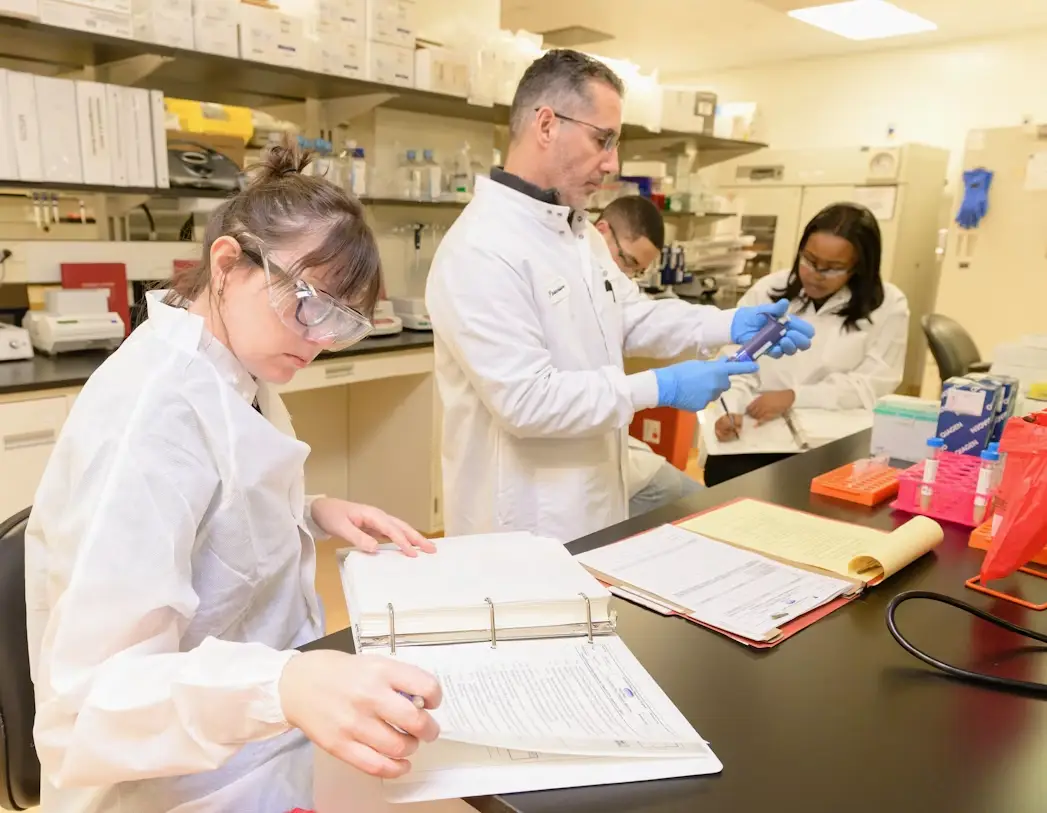
The path from an early idea to an established treatment is long and deliberate. Knowing the stages helps a person interpret news about emerging options wisely.
It starts with early, small studies
Research typically begins with small, early studies. These might involve laboratory work, animal research, or small groups of people, and they are designed to explore basic questions of safety and possible effect. Early studies are valuable for generating ideas and signals, but they are far too preliminary to prove that a treatment works. Their findings are a starting point for investigation, not a basis for firm conclusions.
This is worth emphasizing because early studies often generate the most excited headlines. A promising small study is genuinely interesting, but it sits near the very beginning of a long process, and much can change as research continues.
Larger trials test more rigorously
If early findings are promising, research moves to larger, more rigorous trials. These involve more participants, careful controls, and comparison groups, all designed to test whether an effect is real and consistent rather than a fluke. Larger trials can reveal whether early promise holds up, and they often produce more sober, nuanced results than the initial excitement suggested. This stage is where many promising ideas are refined or set aside.
This progression from small to large studies is a crucial filter. Many treatments that looked promising early on do not hold up under larger, more rigorous testing, which is exactly why this careful escalation matters so much. The bigger and better-controlled the study, the more confidence its results can support.
Evidence accumulates over time
Establishing a treatment is not about a single study but about a body of evidence built over time. Findings must be replicated, examined by other researchers, and confirmed across different groups and settings. This accumulation of consistent evidence is what gradually turns a promising idea into an accepted treatment. It is a slow, collective process, which is part of why sound medicine takes patience.
This reliance on accumulated evidence protects patients. A conclusion supported by many consistent studies is far more trustworthy than one resting on a single result, which is why the process is designed to be thorough rather than fast.
Where emerging options sit
Understanding this pipeline clarifies where emerging options stand. Something still in the earlier stages of research is promising but unproven, with much still to be learned. This is why responsible discussion of such options emphasizes their emerging, off-label status and the need for caution. Knowing where a treatment sits in the research journey is key to interpreting it honestly rather than over-reading early findings.
This perspective is genuinely useful. Rather than reacting to each new study as if it were the final word, a person can place it within the longer arc of research and weigh it with appropriate, well-calibrated caution.
Why the slow process protects patients
It is tempting to wish research moved faster, especially for a difficult problem like addiction. But the deliberate pace of clinical research exists to protect people. Rushing a treatment into wide use before it is properly tested risks exposing people to approaches that may not work or may cause harm. The careful, staged process is what allows genuine confidence in a treatment before it is widely adopted, which is exactly what makes any use of GLP-1 addiction treatment still a matter for caution today.
Seen this way, the slowness is a feature, not a flaw. It reflects a commitment to getting things right, so that when a treatment does become established, people can rely on it with well-founded trust rather than hope alone.
What patients can take from this
For someone following developments in an emerging area, the practical lesson is to match confidence to the stage of research. Early findings warrant interest and cautious optimism, not firm conclusions or major decisions. Anyone considering an emerging, off-label option should do so under medical supervision, understanding that GLP-1 addiction treatment remains under study rather than settled. This keeps expectations honest and decisions sound.
This measured stance serves people well. It lets them stay genuinely informed and hopeful about progress while avoiding the disappointment and risk that come from treating early research as if it were the final answer. Matching confidence to the evidence is a skill that rewards a person again and again.
Frequently Asked Questions (FAQs)
1. Why does it take so long to establish a treatment?
Because establishing a treatment is not about a single study but a body of evidence built over time. Findings must be replicated, examined by other researchers, and confirmed across different groups. This slow accumulation of consistent evidence is what turns a promising idea into an accepted treatment.
2. Are early study results reliable?
Early studies are valuable for generating signals but far too preliminary to prove a treatment works. Many promising early findings do not hold up under larger, more rigorous testing. Their results are a starting point for investigation, not a basis for firm conclusions, so they warrant caution.
3. How can I interpret news about a treatment being studied?
Ask where it sits in the research process. Something in the earlier stages is promising but unproven, with much still to learn. Placing a finding within the longer arc of research, rather than reacting to each study as the final word, lets you weigh it with appropriate caution.
Knowing how research travels from small studies to real use is the best way to understand where GLP-1 addiction treatment stands today.