Are Contact Lenses Safe For Daily Use?
Millions of people wear contact lenses every day without any problems. They are one of the most studied forms of vision correction, and decades of research back their safety when used the right way. Still, many people wonder if wearing lenses daily can damage their eyes over time. The short answer is yes, contact lenses are safe for daily use, as long as you follow proper hygiene and wear them as instructed.
What the research says
Studies show that the risk of serious eye infections from contact lenses is low. Research published in eye health journals puts the risk of microbial keratitis, a type of corneal infection, at around 2 to 4 cases per 10,000 wearers each year for soft lenses worn during the day. That number rises if lenses are worn overnight or kept in for too long without breaks.
The biggest factor in lens safety is not the lenses themselves but how they are handled. Most complications come from poor hygiene, such as not washing hands before handling lenses, using old solution, sleeping in lenses not designed for overnight wear, or wearing lenses for longer than recommended.
Why daily wear is generally safe
Modern lenses are made from breathable materials that let oxygen reach the cornea. This was a major problem with older lens materials decades ago, but today’s silicone hydrogel lenses solve much of that issue. As long as your eyes get enough oxygen, daily wear puts very little strain on eye health.
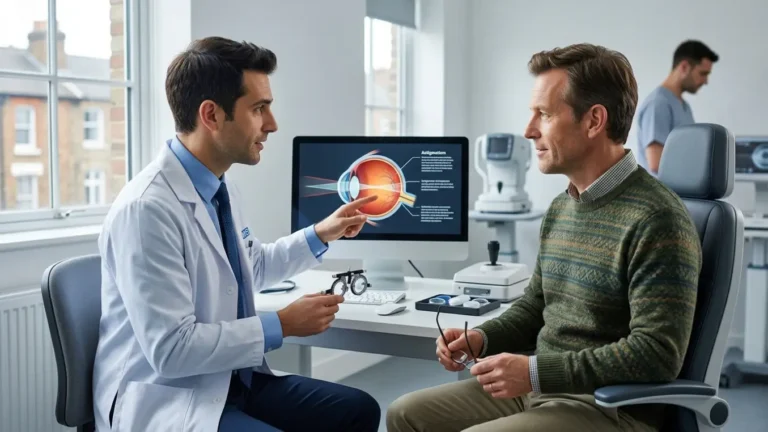
Eye doctors usually recommend a wide range of contact lenses to suit different needs, whether that means daily disposables, monthly lenses, or lenses for astigmatism. Choosing the right type for your eyes and lifestyle plays a big part in keeping wear safe and comfortable.
Simple habits that keep your eyes healthy
A few basic habits make a big difference in lens safety.
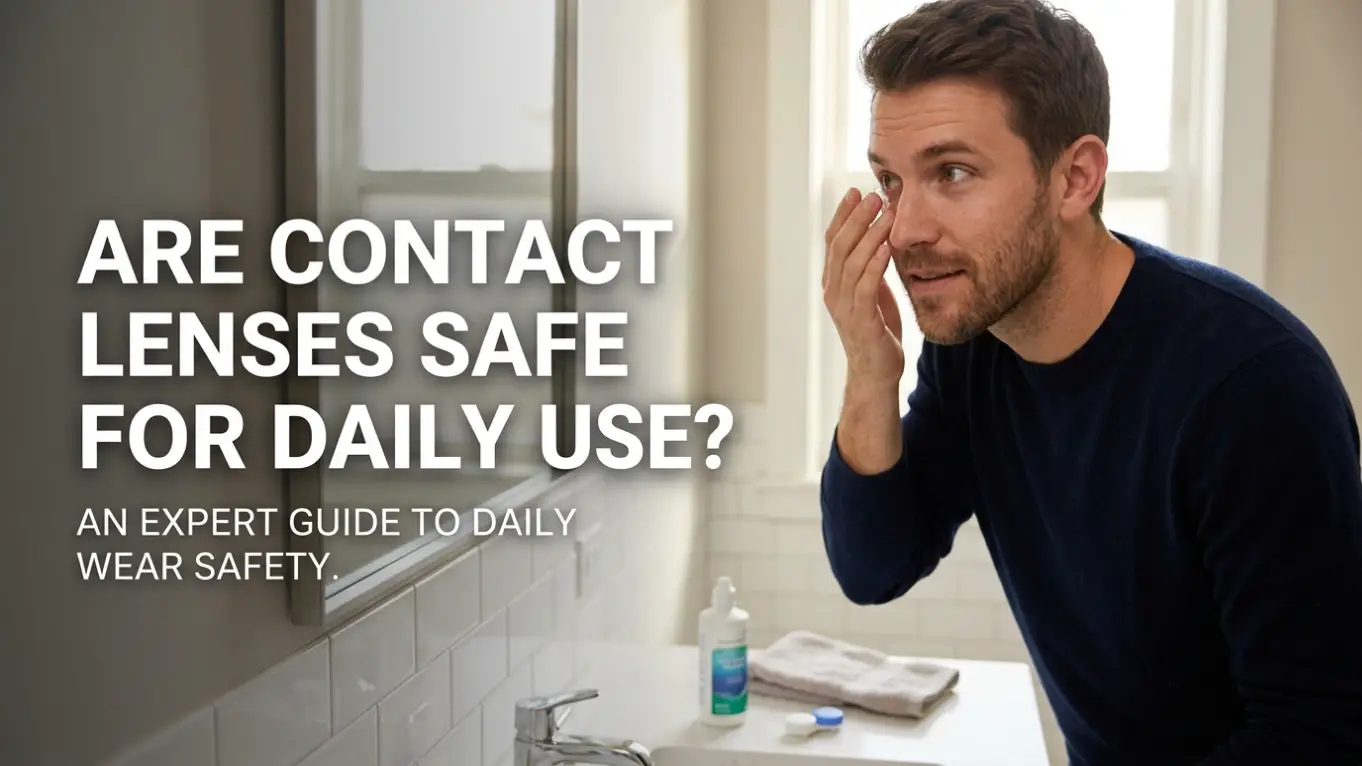
Wash your hands with soap and water before touching your lenses. Dry them with a clean towel, since damp hands can transfer bacteria.
Never sleep in lenses unless your eye doctor has specifically approved them for overnight wear.
Replace your lenses on schedule. Daily lenses should be thrown out after one use, and monthly lenses should not be stretched beyond their recommended period.
Avoid water contact while wearing lenses. Swimming, showering, or using hot tubs while wearing lenses raises the risk of infection from waterborne organisms.
Replace your lens case regularly and never top up old solution with new solution in the same container.
When to see a doctor
Some discomfort when first adjusting to lenses is normal. But certain signs mean you should stop wearing lenses and book an appointment right away. These include redness that does not go away, pain, blurry vision, unusual discharge, or sensitivity to light. Catching problems early prevents most lens related complications from becoming serious.
The bottom line
Contact lenses are safe for daily use for the vast majority of people. The data backs this up, with serious complications being rare when lenses are cared for properly. Picking the right type from a trusted source, following hygiene steps, and replacing lenses on schedule are the keys to keeping your eyes healthy while enjoying clear vision every day.