How to Choose Clinical Flooring that Ensures Hygiene and Safety?
In the demanding world of healthcare, every detail matters. From the sterilisation of instruments to the sanitation of every surface, the environment must be meticulously controlled to ensure patient well-being and staff safety. One of the most critical, yet often overlooked, elements of a clinical setting is the flooring. It’s a high-traffic, low-touch surface that can significantly impact hygiene, infection control, and the overall functionality of a facility.
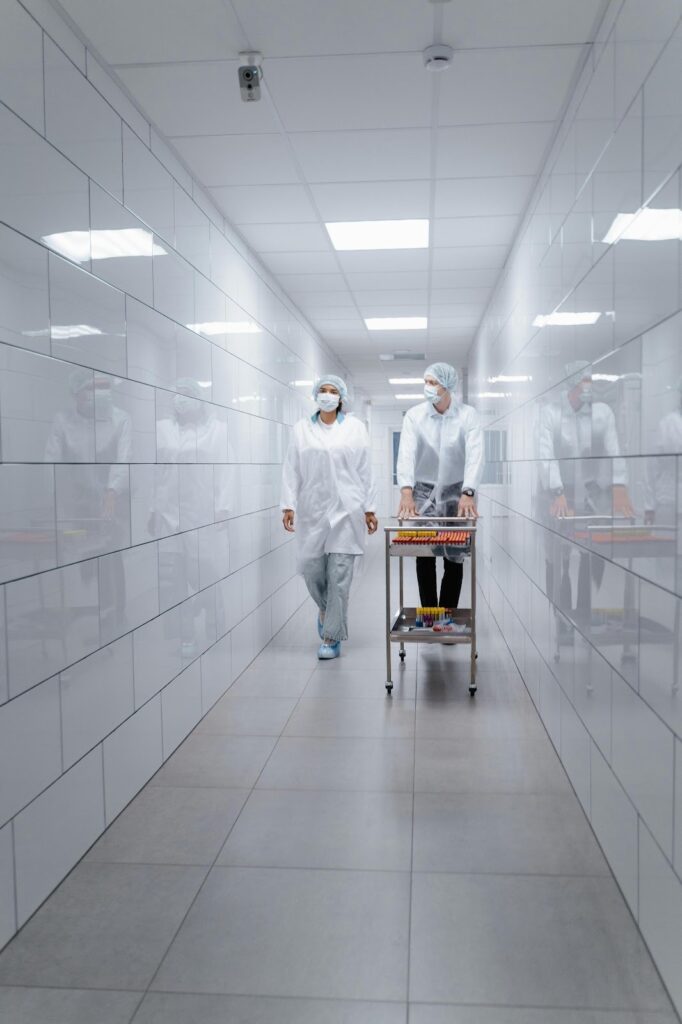
Choosing the right clinical flooring isn’t just about aesthetics; it’s a strategic decision that affects everything from CQC compliance and maintenance costs to the physical comfort of those on their feet for long hours. This guide will walk you through the essential considerations and key flooring types to help you make an informed choice that prioritises both hygiene and safety.
Why Is Clinical Flooring So Important?
Clinical environments, such as hospitals, GP surgeries, dental clinics, and laboratories, are uniquely challenging. The floors in these spaces are subjected to a constant barrage of foot traffic, heavy medical equipment, chemical spills, and bodily fluids. A sub-standard floor can quickly become a breeding ground for bacteria, a source of slips and trips, and a drain on resources due to high maintenance needs and frequent replacement.
A well-chosen clinical floor, on the other hand, provides a number of vital benefits:
- Infection Control: A primary concern in any healthcare setting is the prevention of healthcare-associated infections (HAIs). Floors with seams and porous surfaces can harbour dirt, germs, and microorganisms, making effective cleaning a challenge. The right flooring material, with its seamless and non-porous properties, actively inhibits the growth of bacteria and fungi.
- Safety: Slips and falls are a leading cause of injury in the workplace, and in a clinical environment, they pose a serious risk to both patients and staff. A floor with a high slip-resistance rating is essential to prevent accidents, particularly in areas prone to spills or moisture like operating theatres and wet rooms.
- Durability and Longevity: The constant movement of heavy trolleys, beds, and equipment, coupled with the use of strong cleaning agents, means the flooring must be incredibly hard-wearing. Choosing a durable material that resists abrasions, punctures, and chemicals ensures a longer lifespan and reduces the need for disruptive and costly replacements.
- Low Maintenance: Ease of cleaning is a non-negotiable factor. The right flooring simplifies daily cleaning and disinfection protocols, saving valuable time and resources.
- Noise Reduction: In a hospital or clinic, a peaceful and quiet environment is crucial for patient recovery and staff concentration. Certain flooring materials have sound-dampening properties that reduce footfall noise and the clatter of equipment.
Key Features to Look For
Before exploring specific materials, it’s helpful to understand the core features that define a suitable clinical floor. When assessing your options, look for materials that embody these characteristics:
- Seamless and Non-Porous: This is arguably the most important feature for hygiene. A seamless installation, often achieved through hot-welded joints, eliminates the gaps and crevices where dirt and pathogens can accumulate. A non-porous surface prevents liquids from being absorbed, making spills easy to clean and preventing the growth of mould and mildew.
- Slip-Resistant: Check the R-rating of the flooring, which measures its slip resistance. In high-risk areas, a high R-rating is imperative to ensure safety, even when the floor is wet.
- Chemical and Stain Resistant: Healthcare facilities use a variety of potent disinfectants and cleaning agents. The flooring must be able to withstand these chemicals without deteriorating or discolouring over time. It should also be resistant to stains from blood, medicine, and other common spills.
- Antimicrobial Properties: Many modern clinical flooring solutions are manufactured with antimicrobial additives that actively inhibit the growth of bacteria, mould, and fungi on the surface. While regular cleaning is still essential, this feature provides an added layer of defence against infection.
- Durability and Wear-Resistance: The floor must be able to handle heavy static and rolling loads without denting or scuffing. A thick wear layer is a good indicator of a product’s longevity.
The Best Flooring Materials for Clinical Settings
While no single material is perfect for every area of a healthcare facility, a number of options consistently meet the high standards required. Here’s a look at the most common choices and their specific applications.
Vinyl Flooring
Vinyl flooring, particularly homogeneous and heterogeneous sheet vinyl, is a workhorse in the healthcare sector. It is a highly popular choice due to its durability, affordability, and ease of maintenance.
- Hygiene & Safety: When installed with hot-welded seams and coved up the wall (a process known as capping and coving), sheet vinyl creates a completely seamless, watertight surface that is ideal for sterile environments. It is non-porous and easy to clean, and many products have a textured finish for enhanced slip resistance.
- Applications: It is versatile enough for use in a wide range of areas, including operating theatres, corridors, patient rooms, and laboratories. Luxury Vinyl Tiles (LVT) are also becoming popular for reception areas and waiting rooms, as they offer the aesthetic of wood or stone with the practical benefits of vinyl.
Linoleum Flooring
Often mistaken for vinyl, linoleum is a distinct material made from natural, biodegradable ingredients such as solidified linseed oil, wood flour, and jute. It is a long-standing favourite in healthcare for its eco-friendly credentials and excellent performance.
- Hygiene & Safety: Linoleum is naturally bacteriostatic, meaning it inhibits the growth of bacteria on its own. This, combined with a seamless installation, makes it an exceptionally hygienic choice. It is also durable, easy to maintain, and resistant to stains and chemical damage.
- Applications: It’s a great fit for medical centres, GP surgeries, and general ward areas where hygiene and durability are key.
Rubber Flooring
Rubber flooring is valued for its unique combination of performance and comfort. It’s an ideal choice for areas where staff are on their feet for long periods.
- Hygiene & Safety: Like other clinical options, rubber flooring is seamless, non-porous, and easy to clean. Its natural elasticity provides excellent shock absorption, reducing fatigue and providing a cushioned surface that can minimise injury in the event of a fall. It also offers superior slip resistance, even when wet.
- Applications: Rubber flooring is particularly well-suited for high-traffic corridors, rehabilitation centres, physiotherapy rooms, and areas where impact from dropped equipment is a concern.
Resin and Epoxy Flooring
For areas requiring the highest level of durability and chemical resistance, such as laboratories, operating theatres, and sterile processing rooms, resin and epoxy flooring is often the top choice. These materials are poured directly onto the floor, creating a completely seamless and impermeable surface.
- Hygiene & Safety: The absence of any joints or grout lines makes resin flooring incredibly hygienic and easy to clean. It is highly resistant to a vast range of chemicals, stains, and abrasions. Many resin systems also incorporate aggregate for exceptional slip resistance.
- Applications: Ideal for high-risk and high-demand areas where contamination control and chemical spills are a constant threat.
Beyond the Material: The Installation Process
Choosing the right material is only half the battle. The quality of the installation is just as critical. A poorly installed floor, even if the material is top-of-the-range, can compromise all of its hygienic and safety features. A professional installation should include:
- Moisture and Substrate Preparation: The subfloor must be properly prepared and sealed to prevent moisture from compromising the adhesive and the flooring itself.
- Hot-Welded Seams: For sheet materials like vinyl and linoleum, all seams should be hot-welded to create a continuous, impenetrable surface.
- Capping and Coving: This technique involves extending the floor material up the wall, eliminating the 90-degree angle where the wall and floor meet. This makes cleaning corners easier and prevents the build-up of dirt and bacteria.
In conclusion, the flooring in a clinical environment is a foundational component of its hygiene and safety protocols. By prioritising seamless, slip-resistant, and durable materials and ensuring a professional installation, you can create a safe, clean, and functional space that supports the critical work of healthcare professionals and contributes to the well-being of every patient.
Source: https://xxbrits.uk/