What Makes a UK Town Feel Truly Local in the Age of Online Trends?
You can often tell a town has its own character before you’ve bought a coffee. The noticeboard is crowded, the bakery sells out by lunch, and people give directions using names that don’t appear on any map. It’s just how the place works.
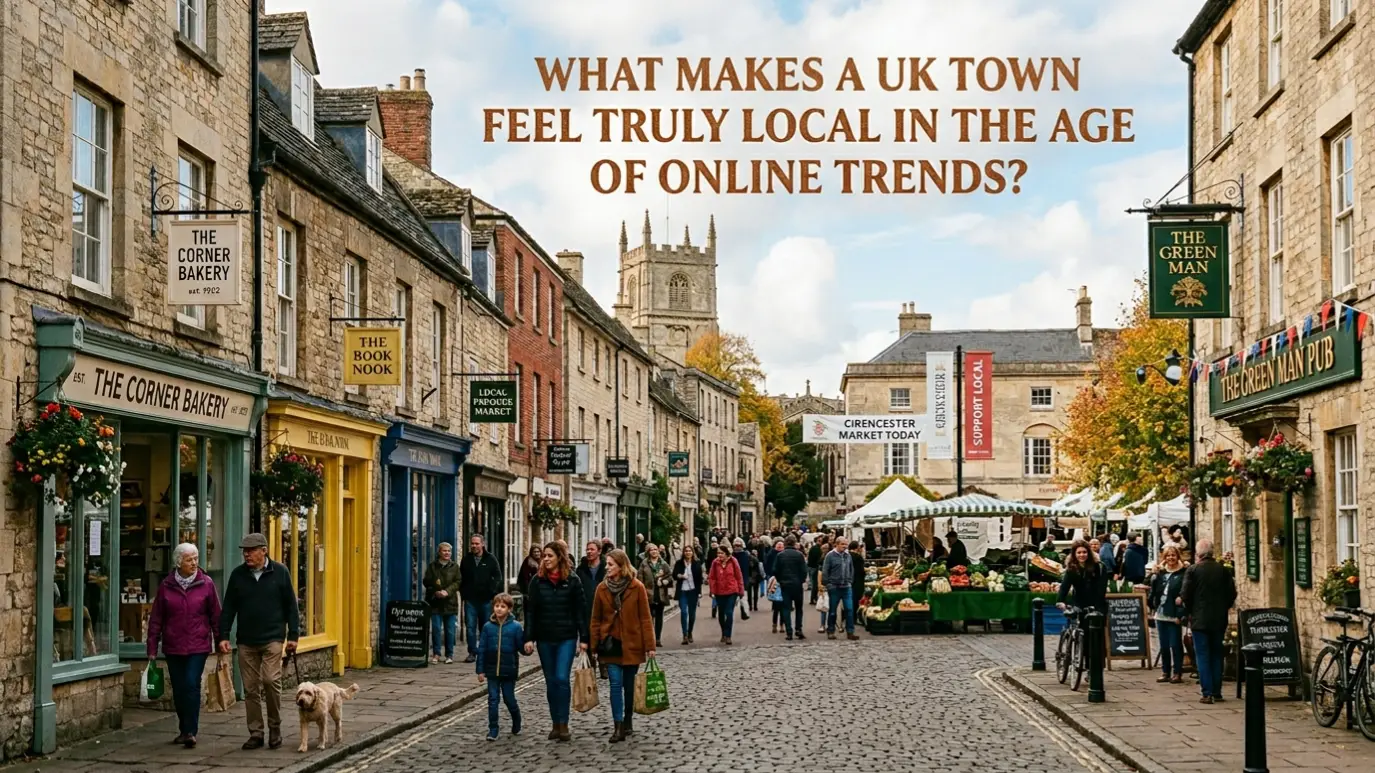
Online trends can bring useful attention, but they can also make towns look oddly alike: the same brunch plates, murals, candles and “hidden gem” captions. A place feels local when it still has habits, voices and rituals that couldn’t be copied by next weekend.
The High Street Needs More Than Familiar Logos
National chains are handy, but they don’t give a town much personality. Local feeling comes from the butcher who knows which school is raising money, the bookshop that keeps regional writers in the window, and the pub that hosts the quiz even when numbers dip.
A high street shaped by community businesses and independent traders gives people more than a quick errand. It turns shopping into chat, recognition and the sense that the street belongs to people, not only brands.
Events Turn a Place Into a Shared Diary
On a Friday afternoon, the whats on Saint Annes diary can decide whether people head straight home or stay out for a show, talk, concert or community performance. Ordinary, perhaps, but local life often is.
A touring act brings visitors, while a school performance brings grandparents, neighbours and proud parents into the same room. A town hall screening or amateur dramatics night may not trend online, yet it builds the feeling that something is happening here, not somewhere else.
The Details Locals Protect
Names people actually use: Residents still say “meet by the old Woolworths” years after the shop has gone.
Rooms with memory: Libraries, pavilions, working men’s clubs, independent cinemas and community halls carry stories as well as events.
Food with a backstory: A chip shop, bakery or market stall becomes part of a town when people argue kindly about whose version is best.
Unpolished traditions: Duck races, scarecrow festivals, brass bands and charity plant sales survive because people keep turning up.
Online Attention Should Add, Not Replace
A viral post can help a shop sell out or put a forgotten street on the map. The problem starts when a town performs for visitors more than it serves residents. If every wall becomes a photo spot and every café changes its menu for the same crowd, the place can start to feel borrowed.
Culture helps resist that when it gives people somewhere to meet and speak, not just consume. The idea of arts centres as creative town halls captures why venues matter: they can host arguments, performances, workshops and celebrations that belong to the town as much as to the ticket buyer.
Local Doesn’t Mean Closed Off
A town can welcome newcomers without becoming generic. Many interesting places are shaped by people who arrived later and cared enough to join in. The test is whether new energy listens first.
Visitors notice whether a market is for residents as well as weekenders, whether young people have somewhere to go, and whether the town’s story is being told by estate agents or by the people who live there.
A local town doesn’t reject online trends. It just refuses to let them have the final word. The screen might bring you there, but people and shared rooms make you stay.