What Should You Know Before Planning a High Altitude Trek in Nepal?
Planning a high altitude trek in Nepal requires more than choosing a scenic trail. You need to understand altitude, weather, fitness, permits, packing, and the way mountain conditions affect each day.
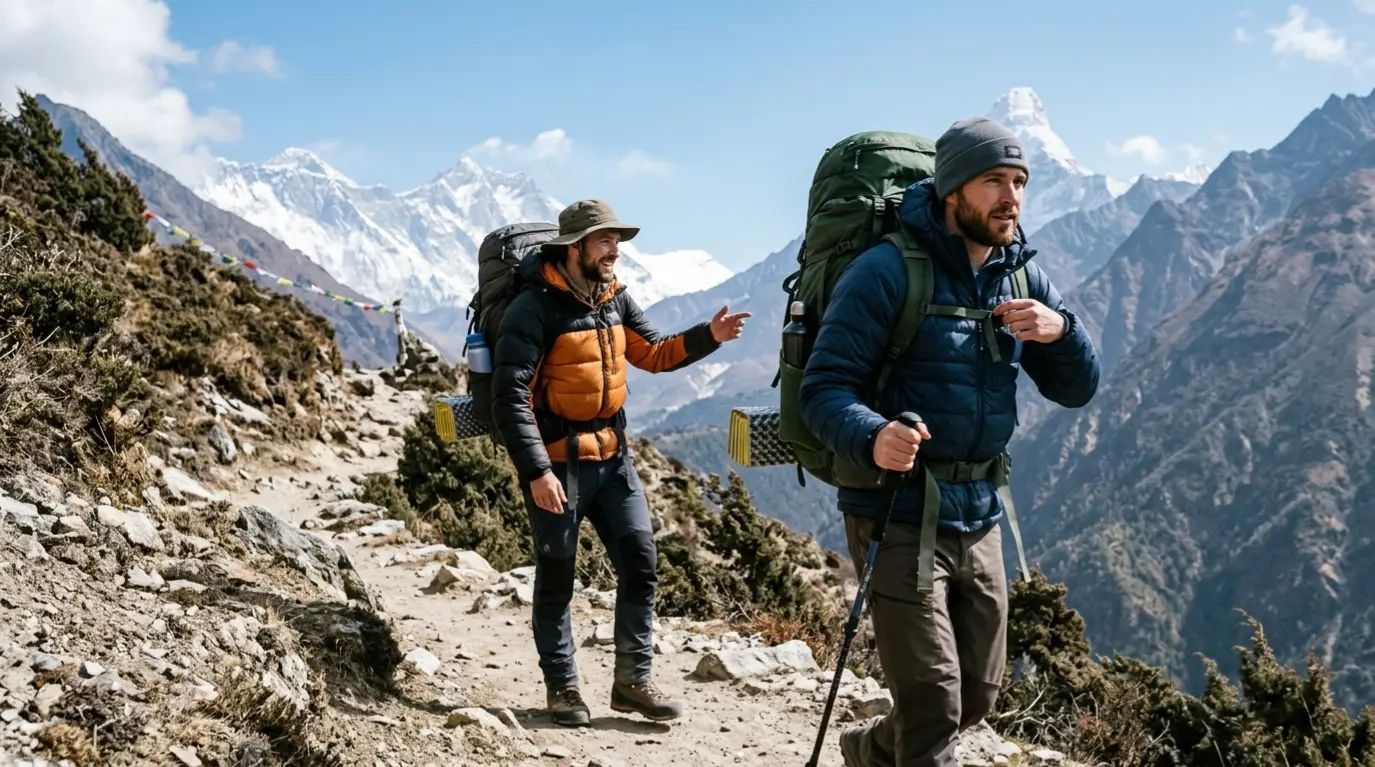
Why is Nepal a good choice for a high altitude trek?
Nepal offers trekking routes that pass through very different landscapes within a single trip. A trail can begin among green hills and farmland before reaching pine forests, alpine valleys, rocky slopes, and snow covered peaks.
The Himalayas also give trekkers a chance to experience mountain communities and their local traditions. Villages along the trails have their own food, homes, temples, monasteries, and ways of life.
The Annapurna region is one of the best known trekking areas in Nepal. It offers views of peaks such as Annapurna I, Annapurna II, Annapurna III, Annapurna IV, Dhaulagiri, Nilgiri, and Machhapuchhre.
How high do trekking routes in Nepal go?
Some Nepal trekking routes reach more than 5,000 meters above sea level. At these elevations, the air contains less oxygen than it does at low elevations, so altitude becomes a major part of trip planning.
The highest point on the Annapurna Circuit Trek is Thorong La Pass at 5,416 meters. Reaching this elevation requires a steady ascent and proper time for the body to adjust.
Altitude should be treated separately from physical fitness. A person can have strong hiking endurance and still experience altitude sickness.
The safest approach is to follow a gradual ascent plan. Sleeping altitude matters because the body needs time to adjust while resting at higher elevations.
How should you prepare for a high altitude trek?
Physical preparation should focus on endurance, leg strength, and the ability to walk for several hours on uneven ground.
Start training several weeks before departure. Long walks, stair climbing, uphill hiking, and regular aerobic exercise can help prepare your body for sustained effort.
Training should also include carrying a backpack. Even a light trekking pack feels different after several hours of walking.
Mental preparation matters as well. Mountain trails do not provide the same conditions as city roads. Walking speeds are slower, weather can change quickly, and some days include long climbs.
A good training plan should include:
- Long walks on uneven surfaces
- Uphill and downhill training
- Stair climbing
- Regular aerobic exercise
- Leg and core strength exercises
- Practice walking with a loaded backpack
What should you know about altitude sickness?
Altitude sickness can affect trekkers as they gain elevation. Common symptoms include headache, tiredness, dizziness, nausea, and difficulty sleeping.
The best response to altitude problems is not to keep climbing. Rest and proper assessment are needed when symptoms develop.
Serious symptoms require immediate descent and medical attention. These symptoms include confusion, difficulty walking, severe breathing problems, or a worsening condition despite rest.
Acclimatization days are used to give the body time to adjust. Manang, for example, is an important acclimatization point on the Annapurna Circuit because the route has already reached a much higher elevation by that stage.
Do not treat acclimatization as a wasted day. It forms part of the trek plan.
When is the best time to trek in Nepal?
The best trekking season depends on the route and the weather conditions expected at different elevations.
Spring and autumn are popular periods for trekking in many parts of Nepal. Spring brings milder conditions and blooming rhododendrons in many lower areas. Autumn follows the monsoon and often brings clearer mountain views.
Winter brings colder temperatures, especially at high elevations. Snow can also affect high passes.
The monsoon season brings heavy rain to many parts of Nepal. Lower trails can become wet and muddy, while clouds can reduce mountain visibility.
Before booking, check the weather pattern for the exact route rather than relying only on Nepal’s general climate.
What should you pack for a Himalayan trek?
Your packing list should match the altitude, season, route length, and type of accommodation.
Layered clothing is more useful than relying on one heavy jacket. Temperatures can change sharply between lower valleys and high mountain areas.
A practical trekking bag can include:
- Moisture wicking base layers
- Warm mid layers
- Insulated jacket
- Waterproof jacket and trousers
- Trekking trousers
- Comfortable trekking boots
- Warm socks
- Gloves and a warm hat
- Sunglasses
- Sunscreen
- Water bottles
- Headlamp
- Personal first aid supplies
- Basic toiletries
- Backpack rain cover
- Sleeping bag suitable for the expected temperature
Do not pack only for the lower part of the route. Conditions near high passes can be far colder than those in Kathmandu or Pokhara.
What kind of accommodation can trekkers expect?
Tea houses and mountain lodges are common along established trekking routes in Nepal.
Rooms are often simple and practical. Depending on the location, facilities can become more basic as the trail climbs higher.
Shared dining areas are common. Meals often include local dishes as well as familiar options for trekkers.
Dal bhat, noodles, rice, soups, potatoes, eggs, and bread are common choices along many trekking routes. Food availability becomes more limited in remote high altitude areas.
It is also wise to carry snacks such as nuts, chocolate, dried fruit, or energy bars for longer walking days.
Do you need a guide for trekking in Nepal?
A guide can help with route planning, local conditions, accommodation, communication, and daily trekking decisions.
Guided trekking also gives travelers access to someone who understands the local trail network. This is useful when weather, road conditions, or trail conditions affect the planned schedule.
Porters are another option for trekkers who do not want to carry a full pack. A porter can carry the main luggage while the trekker carries a smaller daypack.
The right choice depends on the route, experience level, group size, and personal preferences.
What permits are needed for trekking in Nepal?
Trekking permits depend on the region and route.
Popular trekking areas have their own permit requirements and checkpoints. Trekkers should confirm the current rules before departure because permit systems and fees can change.
The Annapurna region has established checkpoints along the route. Trekkers should keep their travel documents and permits accessible during the trip.
Using a registered trekking company can simplify permit preparation because the company handles the required arrangements as part of the trekking process.
How difficult is trekking in the Annapurna region?
Difficulty depends on altitude, daily walking time, terrain, weather, and the highest point reached.
The Annapurna Circuit includes both lower valleys and high mountain terrain. Early sections pass through green landscapes and villages, while the route later reaches colder and more exposed areas.
Thorong La Pass is the highest point at 5,416 meters. The crossing requires an early start and steady walking because the altitude makes physical effort harder.
The trek does not require technical mountaineering skills, but good physical fitness is needed. Previous hiking experience is helpful for handling long walking days and steep sections.
What makes the Annapurna region different from other trekking areas?
The Annapurna region stands out because the landscape changes dramatically along the route.
The trail follows river valleys, passes through forests, reaches high alpine terrain, and crosses areas with a dry mountain climate. The cultural setting changes along with the landscape.
Manang provides a strong example of the region’s Tibetan influenced culture. Further west, Muktinath has religious importance for both Hindus and Buddhists.
The Kali Gandaki area adds another striking part of the route. It contains a deep river valley surrounded by large Himalayan peaks.
Trekkers can also experience natural hot springs at Tatopani and sunrise views from Poon Hill on routes that include this section.
How can you make a high altitude trek safer?
Safety starts before the first day on the trail.
Choose an itinerary that gives your body enough time to adjust to increasing elevation. Keep your daily walking pace steady and drink enough water throughout the day.
Pay attention to symptoms rather than trying to prove your fitness. A slower pace is better than pushing too hard at high altitude.
Weather should also guide daily decisions. Mountain conditions can change quickly, particularly around high passes.
Travel insurance should cover trekking at the maximum elevation of your chosen route. Check the policy before leaving home because standard travel insurance does not always cover high altitude activities.
What should first time trekkers remember?
First time trekkers should focus on preparation rather than speed.
A successful Himalayan trek depends on choosing a suitable route, training beforehand, packing for changing conditions, and allowing enough time for altitude adjustment.
Do not judge the difficulty of a trek only by its distance. A short walking day at 4,500 meters can feel harder than a much longer walk at a low elevation.
The mountains reward patience. Give yourself enough time to walk, rest, eat, and adjust to each change in altitude.
For travelers looking for a classic route through the Annapurna region, the Annapurna Circuit Trek combines high mountain passes, traditional villages, changing landscapes, and major Himalayan viewpoints in one established trekking route.
Frequently Asked Questions
What is the highest altitude reached on the Annapurna Circuit?
The highest point is Thorong La Pass at 5,416 meters. The pass sits between the Manang and Mustang areas. It is the highest section of the standard route. Weather and altitude conditions can make the crossing demanding.
How many days should I spend trekking in the Annapurna region?
The number of days depends on the route and starting point. A full circuit itinerary takes longer than a shortened version. Extra days can also be added for acclimatization or side trips. The schedule should match your fitness and altitude needs.
What is the best season for an Annapurna trek?
Spring and autumn are popular seasons for the Annapurna region. Spring offers warmer conditions and blooming flowers at lower elevations. Autumn often provides clear mountain views after the monsoon. High altitude weather remains changeable in every season.
Can a beginner complete an Annapurna trek?
A fit beginner can complete an established Annapurna route with suitable preparation. The trek includes long walking days and high altitude sections. Training before departure improves endurance. Anyone with altitude symptoms must stop climbing and seek appropriate help.
Do I need a guide for the Annapurna Circuit?
A guide provides route knowledge, local support, and help with daily trekking decisions. The benefit is greater for first time trekkers and people unfamiliar with Nepal. Independent trekking rules depend on current regulations. Check the latest requirements before departure.
What should I do if I develop altitude sickness?
Stop gaining altitude when altitude sickness symptoms develop. Rest and assess whether the symptoms improve. Worsening or severe symptoms require descent and medical attention. Never continue climbing simply to stay on schedule.