What Long Road Trips Taught Me About Being Prepared
I have always loved long road trips. There is something special about loading the car, watching familiar streets fade into unfamiliar roads, and knowing that the next few days belong to the journey itself. When I travel with my family, that feeling is even stronger. We talk more, notice more, and slow down in ways everyday life rarely allows.
Road trips have a way of making life feel simpler. You focus on the next stop, the scenery outside the window, and the shared experience of being together. At the same time, that sense of ease can quietly lower your guard. When everything feels relaxed, it is easy to believe nothing will interrupt the flow.
For a long time, I believed preparation meant checking the route and packing snacks. I thought experience alone was enough. After all, we had traveled before, and nothing serious had ever gone wrong.
That belief changed on one trip. Not because of a dramatic incident, but because of a moment so ordinary that it caught me completely off guard. In that moment, I realized how quickly comfort can turn into uncertainty, and how preparation matters most when you least expect to need it.
Why Traveling as a Family Feels Different on Long Roads
Traveling alone gives you freedom. Traveling with family gives you responsibility.
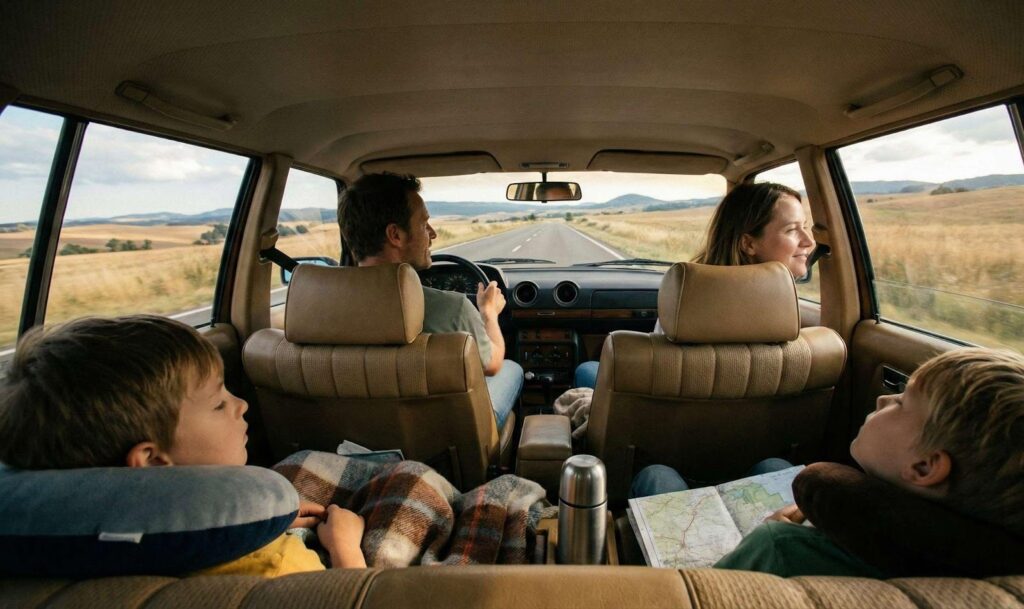
When I travel with my children and my elderly father, I am always aware that everyone experiences the journey differently. Children move quickly and get distracted easily. Older adults may walk more slowly or need more frequent breaks. Keeping everyone comfortable and together requires attention.
Long road trips add another layer. Stops feel less structured. People step away thinking the group is still nearby. Familiar routines fade, replaced by new environments that demand awareness.
The road itself encourages relaxation. You feel capable. You trust that everything will work out. That confidence is not wrong, but it can create blind spots. Even careful travelers can miss small details when juggling multiple needs at once.
Family travel is rewarding, but it reminds you that responsibility does not disappear just because the journey feels enjoyable.
The Trip That Changed Everything
It happened during what should have been an ordinary stop. We pulled into a busy rest area in a town we had never visited before. Cars were coming and going. People were stopping briefly before continuing their trips.
I was traveling with my family – wife, father and my younger child. We stepped out of the car together. I turned away for a moment to grab something from the trunk. When I looked back, they were gone.
At first, I felt no fear. I assumed they had moved only a short distance. I scanned the area, expecting to spot them immediately. When I did not, confusion set in.
I walked a little farther. Still nothing. That is when the realization hit. The kind that feels unreal at first. Your mind tries to explain it away, telling you that you must be missing something obvious.
That brief gap between expectation and reality is unsettling, and it marks the moment when everything changes.
Those Long Minutes of Uncertainty
The next few minutes felt much longer than they actually were. I searched nearby areas. I called their names. I tried to stay calm and focused.
The rest area felt larger and louder than before. People moved past me without noticing. Every direction looked unfamiliar. The sense of control I had moments earlier was gone.
I was careful not to panic, but fear has a way of creeping in quietly. You start thinking about what could go wrong instead of what is most likely. You try to manage your emotions while also solving the problem in front of you.
What surprised me most was how quickly uncertainty changed the environment. Nothing around me had actually changed, but everything felt different. That is when I understood how important clarity is in moments like this.
How Preparation Made the Difference
What helped me in that situation was something I had prepared for without expecting to use. Not out of fear, but out of habit.
Before the trip, I had thought through basic what if scenarios. Not dramatic ones, just realistic possibilities. Getting separated. Losing track of time. Plans changed unexpectedly.
As part of that preparation, I had chosen a simple location awareness solution from BrickHouse Security Personal GPS tracker. I never thought of it as something central to the trip. It was there quietly, in the background.
That preparation gave me direction when I needed it most. Instead of guessing or running aimlessly, I had information. That allowed me to focus on finding my father and child calmly and efficiently.
The value was not the technology itself. It was the clarity it provided when uncertainty could have taken over.
Finding Them and What That Moment Felt Like
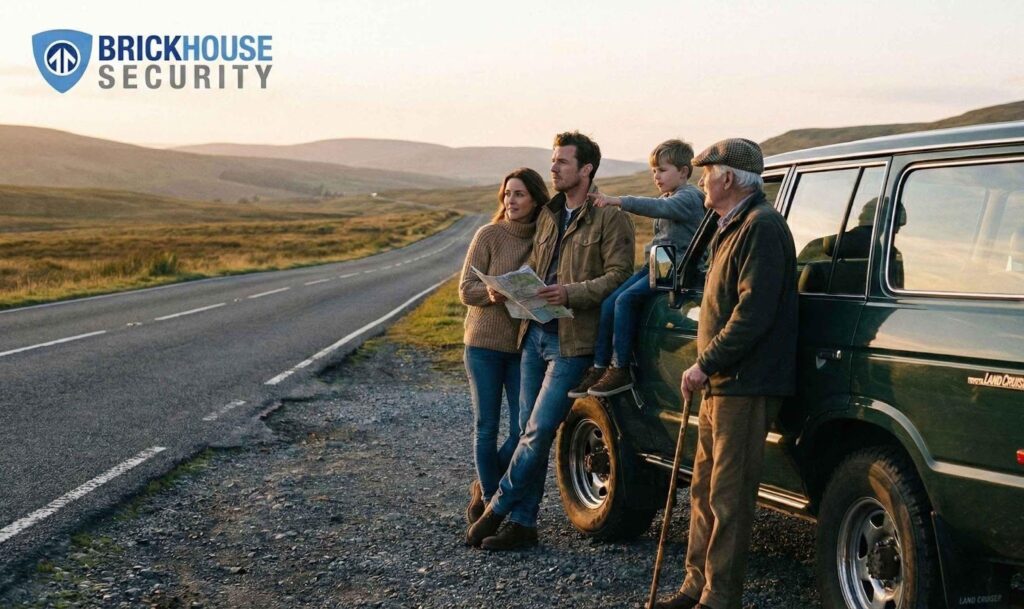
When I finally saw them, safe and unaware of the worry I had experienced, the relief was immediate and physical. My shoulders dropped. My breathing slowed.
There was no excitement or celebration. Just a deep sense of gratitude. The situation ended quietly, the way most moments like this do.
What stayed with me was not the fear, but the understanding of how close uncertainty can come when you least expect it. Preparation did not make the moment dramatic. It made it manageable.
That distinction mattered to me. It changed how I thought about travel safety going forward.
What I Learned About Travel Safety From That Day
That experience reshaped my perspective in simple but lasting ways. I did not leave with a checklist. I left with a mindset.
- Preparation is not paranoia. It is my responsibility.
- Families move faster than planned, especially in busy places.
- Children and elderly relatives require different types of awareness.
- GPS tracking Technology should support decisions, not replace judgment.
- Calm thinking matters more than speed in stressful moments.
These lessons did not come from fear. They came from understanding how real situations unfold.
How That Experience Changed the Way I Travel
After that trip, my approach to travel became more intentional. Not heavier or more stressful, but more aware.
I plan stops with clearer meeting points. I allow more time. I slow down in busy areas instead of rushing through them.
I also stopped assuming that familiarity equals safety. Even ordinary places can become confusing under the right conditions. Awareness helps bridge that gap.
Most importantly, I travel with confidence now. Not because I believe nothing will go wrong, but because I know I am better prepared to handle it if it does.
Advice for Travelers Sharing the Road With Family
If you travel with family, especially across long distances, these are the habits I would encourage. They are simple, but they matter.
- Agree on clear meeting points before separating
- Avoid rushing during stops, even when schedules feel tight
- Keep visual contact in crowded places
- Talk calmly about what to do if plans change
- Choose preparation over assumption
These steps do not take away spontaneity. They protect it.
Conclusion: Being Prepared Lets You Enjoy the Journey
The road teaches lessons no guidebook ever will. It shows you how quickly situations change and how important calm preparation can be.
Being prepared does not remove adventure. It protects it. Long road trips are still worth every mile. They offer connection, reflection, and shared experiences that stay with you long after the journey ends.
For me, preparation created space to enjoy the road fully. It replaced worry with confidence and allowed the journey to remain what it should be, meaningful, shared, and safe.
FAQs
Q1. Why is preparation important for long road trips with family?
Preparation helps families handle unexpected moments calmly. Long road trips involve unfamiliar places, different needs, and changing plans. Being prepared reduces stress and supports better decisions.
Q2. How can travelers stay calm if they get separated during a trip?
Staying calm starts with planning ahead. Clear meeting points, communication plans, and awareness tools help travelers focus on solutions instead of panic when separation happens.
Q3. Does being prepared mean worrying about travel safety all the time?
No. Preparation is about confidence, not fear. When you plan ahead, you worry less because you know how to respond if something changes during the journey.
Q4. What is the biggest travel safety lesson for families on road trips?
The biggest lesson is that preparation supports enjoyment. When families plan calmly and stay aware, they can focus on the experience instead of worrying about what might go wrong.