
Can Earbuds Stay Comfortable All Night Long?
Most people assume any earbud will start to ache after a few hours, and that is true for many designs meant for music rather than sleep. Modern sleep-focused models are smaller, softer, and shaped to sit inside the ear with less pressure, but comfort still depends on your anatomy and how you sleep. The housing, tip material, fit, and position all decide whether an earbud disappears from your awareness or keeps reminding you it is there. Side sleepers face the hardest test because the outer ear presses against a pillow for hours at a time. In this article, we explain whether earbuds can stay comfortable all night long and how to make overnight wear work.
What Makes an Earbud Comfortable in Bed
Design Features That Reduce Pressure
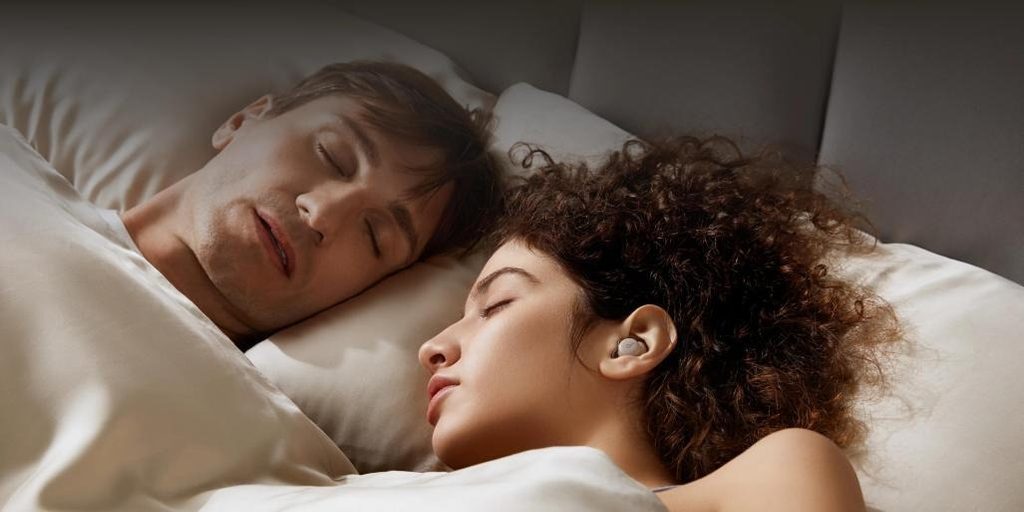
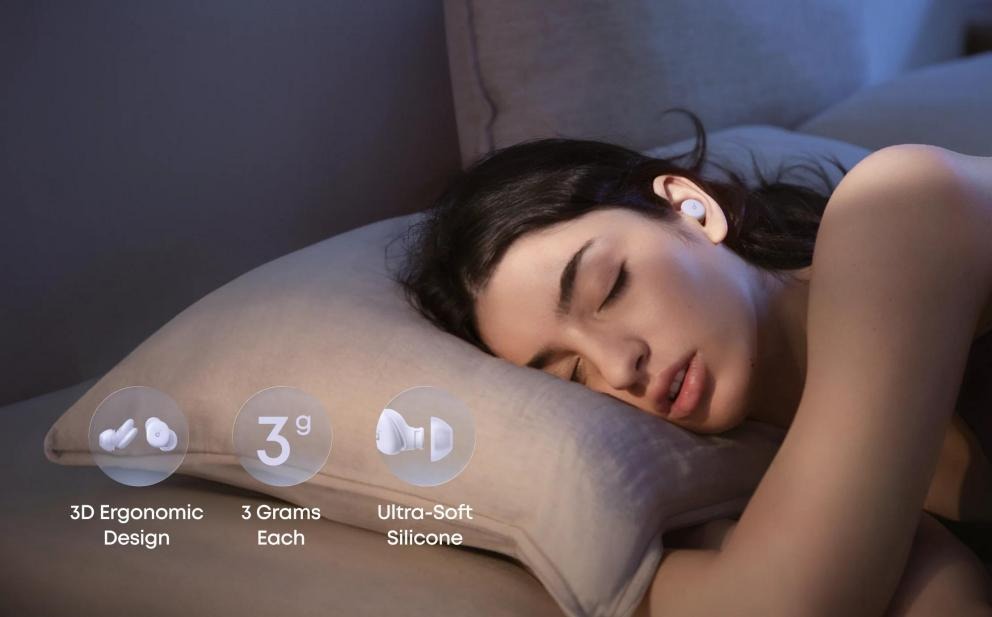
Low-profile sleep earbuds are usually much smaller than standard wireless earbuds because there is no large housing pressing against the outer ear. Soft silicone tips spread the pressure evenly inside the ear canal, while a lightweight body lets the earbud move naturally if you shift in bed. Soundcore sleep earbuds follow this kind of design, with an around-3-gram in-ear body and soft tips intended for side sleepers. Comfortable designs should sit low and close to the ear so the pillow presses on skin rather than on the earbud. Weight, tip softness, and a smooth outer shell matter more than advanced features when your goal is comfort until morning.
Fit Must Match Your Ears and Sleeping Position
No two ear canals are exactly alike, so the same earbud can feel secure for one person and painful for another. Try several tip sizes because one that is too large creates pressure, while one that is too small lets the earbud slip. Your sleeping position also matters because a back sleeper has more freedom than a side sleeper who must avoid any part that touches the pillow. Check the earbud after lying down, not just while sitting at a desk, because gravity and pillow contact change the fit completely. The right fit should feel almost unnoticeable when you close your eyes and turn onto your usual side.
Test Comfort Before You Commit to Every Night
Work Up to a Full Night Gradually
Start by wearing the earbuds for short periods during the day so your ears can adjust to the feel and you can notice any irritation early. Move to an afternoon nap, then to part of the night, before attempting a full eight hours of sleep. Keep the first few trials on nights when you are not too tired, because discomfort can go unnoticed until you are already exhausted. Check your ears the next morning for soreness, itching, redness, or any sign that the fit is too tight. A gradual approach gives you useful feedback without turning overnight wear into a painful experiment.
Adjust Your Pillow and Sleeping Position
Side sleepers can protect the outer ear by using a softer pillow or placing the ear in the space between the pillow and the mattress edge. A contoured or cut-out pillow creates a pocket where the ear sits without direct pressure, and a small travel pillow can work well during the first nights. If the earbud feels loose, try a slightly larger tip or twist it gently until it stays secure without being forced. If the outer ear becomes sore, lie on the other side for a while or raise the head slightly so the pillow touches less skin. Experimenting with your sleep surface is often as important as choosing the right earbud.
Keep Overnight Use Safe and Hygienic
Clean the Earbuds and Let Your Ears Rest
Ears stay healthier when the tips are clean and dry because moisture and wax can cause irritation or infection after long overnight wear. Wipe the tips regularly with a soft, dry cloth and follow the manufacturer’s cleaning advice before putting them back in the case. Remove the earbuds if your ears feel itchy, painful, blocked, or unusually warm, and give your ears a break for a night or two. Do not share sleep earbuds with another person, because the tips are close to sensitive skin and can pass bacteria or wax between users. A small amount of care makes a big difference when you use the same earbuds night after night.
Recognise When All-Night Wear Is Not for You
Some people have narrow ear canals, sensitive skin, or a history of ear infections that make in-ear wear uncomfortable. If you feel pain even with the smallest tips, or wake with ringing, dizziness, or discharge, stop and talk to a doctor. Sleep speakers, pillow speakers, or bedside audio can provide sound without anything in your ear. You do not have to wear earbuds every night, because using them on difficult nights is enough for many people. Comfort should always win over any feature list when it comes to protecting your ears.
Conclusion
Earbuds can stay comfortable all night long when the design, fit, and sleeping position all work together. Look for a small, low-profile shape with soft tips and choose a size that feels secure without pressure. Test the fit gradually, adjust your pillow if needed, and keep the tips clean so your ears stay healthy. Pay attention to soreness or irritation, and stop overnight wear if pain, ringing, or infection appears. With the right pair and a little care, all-night comfort is a realistic goal for many sleepers.