
Business SMS Messaging Service as a Customer Engagement Tool
Small operational updates often create the biggest communication load. The delivery time changes. A booking needs confirmation. A customer wants to know whether a payment was received. When these questions turn into phone calls, support teams spend hours handling routine interactions.
A business SMS messaging service allows these updates to be handled differently. Short messages reach customers directly on their mobile phones instead of adding pressure to call centres or email inboxes. The information arrives instantly while support teams remain focused on more complex cases.
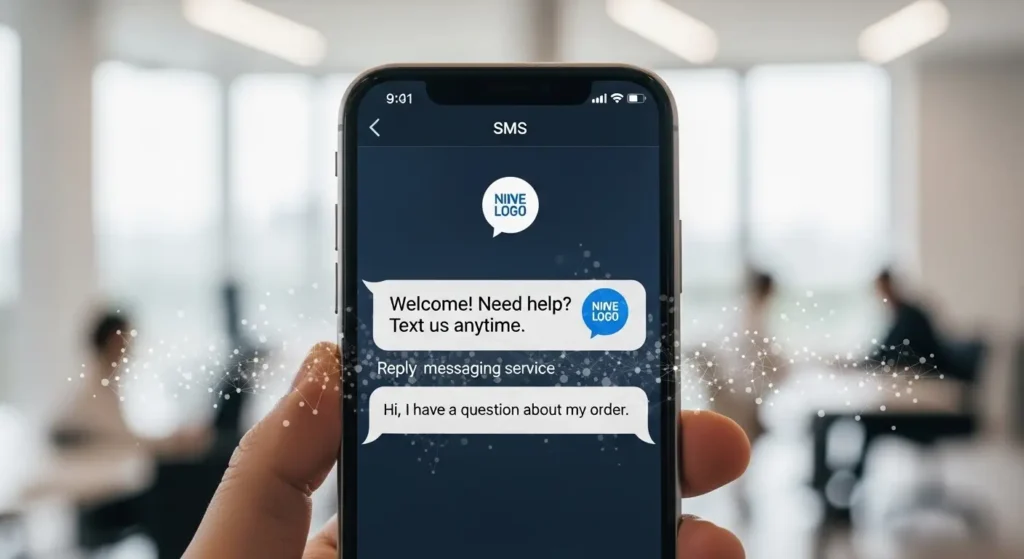
In industries where timing matters, SMS has become a practical tool for routine communication.
What Is a Business SMS Messaging Service
A business SMS messaging service allows companies to send text messages from internal systems to customer phone numbers. Messages can be sent manually through a control panel or triggered automatically by systems such as CRM platforms, booking tools, billing software, or logistics systems.
The infrastructure differs from consumer messaging apps. Business SMS operates through telecom routing with delivery reporting and traffic monitoring. Message delivery can be tracked and messaging activity can be measured across campaigns or operational workflows.
Typical uses include:
- order confirmations
- delivery notifications
- appointment reminders
- payment alerts
- authentication codes
SMS works across nearly every mobile device, which makes it suitable for short operational updates.
Transactional vs Marketing SMS
Business SMS traffic generally falls into two categories.
Transactional SMS supports operational processes. These messages confirm actions or provide updates related to a service. Booking confirmations, shipping notifications, and login verification codes are typical examples.
Marketing SMS focuses on customer engagement. Promotional offers, loyalty programme updates, and event invitations usually fall into this category.
Transactional messages are usually triggered automatically by system events. Marketing campaigns depend on segmentation, timing, and customer consent.
Automation Workflows
Efficiency increases when SMS becomes part of operational workflows.
Manual sending is replaced by automated triggers defined inside internal systems. When a specific event occurs, the system generates and sends the message automatically.
Typical examples include:
- appointment reminders sent before a scheduled visit
- shipping notifications generated when a parcel leaves the warehouse
- payment confirmations triggered by billing systems
- follow-up instructions after a support request
Automation removes repetitive communication tasks and ensures that customers receive updates at the right moment.
Notifications and Reminders
Missed actions often create operational problems. SMS reminders help prevent these disruptions.
Medical clinics remind patients about appointments. Logistics companies notify customers about delivery windows. Service providers confirm bookings and schedule changes.
Routine updates delivered automatically reduce inbound calls and help teams maintain predictable schedules.
High-volume customer operations rely on clear and timely updates. SMS messaging keeps customers informed without expanding support teams or increasing call traffic.
Integration with CRM
SMS messaging becomes easier to manage when connected to CRM systems.
Customer records already contain phone numbers, transaction history, and service information. Messages can be triggered automatically when specific events occur.
Examples include:
- sending an order confirmation after a purchase
- issuing a reminder before a scheduled service visit
- notifying customers when an invoice is created
Communication stays consistent across different channels while interaction history remains stored inside the CRM.
API Connectivity
Many organisations connect SMS functionality directly to internal software through APIs.
API connectivity allows business systems to generate messages automatically, receive delivery reports, and monitor messaging activity. SMS becomes part of operational workflows rather than a standalone tool.
API-based messaging is widely used in:
- e-commerce platforms
- booking systems
- financial services
- logistics software
- customer support platforms
This structure allows messaging capacity to grow alongside business activity.
Compliance and Opt-In Rules
SMS communication is regulated in most markets. Consent is usually required before sending promotional messages, and recipients must have a clear way to opt out.
Transactional messages follow different rules because they relate to an existing service interaction.
Proper routing and traffic control help maintain compliant messaging practices.
DID Global provides SMS messaging infrastructure that supports automated communication workflows and allows businesses to monitor delivery status and messaging activity.
SMS in Operational Communication
SMS continues to play a practical role in everyday business communication. Messages appear directly on the device screen and usually receive attention within minutes.
Routine updates delivered through SMS reduce unnecessary calls, simplify status communication, and keep customer interactions predictable during daily operations.