
Day Trips Around Britain When Someone in the Family Uses a Wheelchair
Families planning day trips across Britain face unique challenges when a wheelchair user is part of the group. Wheelchair accessible vehicles have changed how these journeys unfold, removing barriers that once limited exploration. Many popular destinations now offer facilities designed for visitors with mobility needs, yet knowing which sites genuinely accommodate wheelchair users requires careful research. Transport remains the foundation of any successful outing. Wheelchair accessible vehicles for sale in the UK range from compact conversions to spacious models with rear or side entry, each suited to different family sizes and wheelchair types.
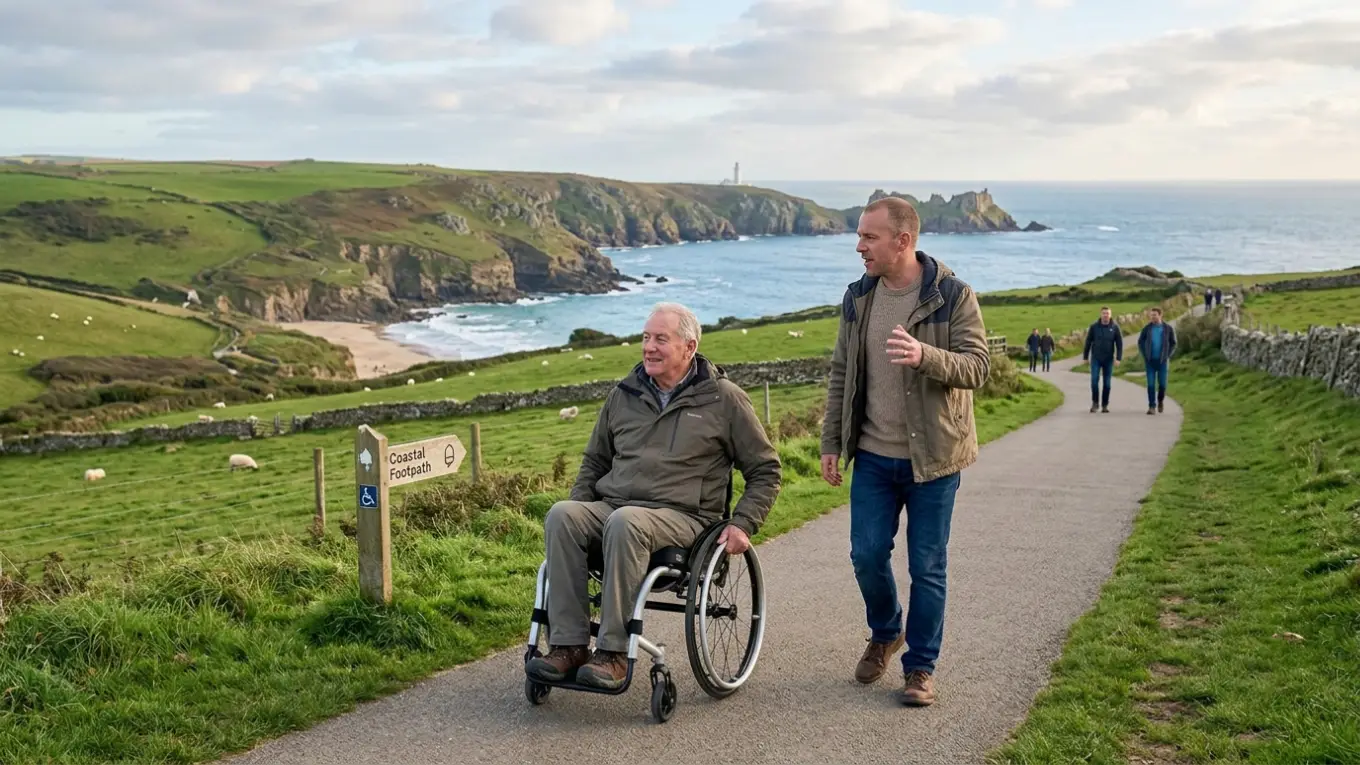
Choosing the right vehicle depends on factors like transfer ease, storage space, and whether the wheelchair user travels as a passenger or driver. Beyond the vehicle itself, planning involves checking terrain, accessible toilets, and parking provisions at each location. Britain’s countryside, coastal paths, and historic towns present varying levels of accessibility. Some trails feature smooth surfaces and gentle gradients, while others remain challenging despite improvements. Learning these details before setting out helps make the day more enjoyable for everyone involved.
Planning Accessible Day Trips Across Britain
Effective planning starts well before the journey. Selecting the right destination means looking beyond headline attractions and checking what the experience actually involves for a wheelchair user. Terrain matters more than most families expect.
A venue may advertise accessibility, yet still include cobbled paths, steep ramps, or uneven ground between car parks and entrances. Checking the specific route from parking to the main attraction is worth doing in advance. VisitBritain provides access information for attractions across the country.
Euan’s Guide offers crowd-sourced reviews from disabled visitors, giving direct accounts of what conditions are actually like on the ground. Both resources help families check claims before committing to a destination. Accessible toilet facilities are another factor that often gets overlooked.
Not every venue with a disabled toilet has a Changing Places facility, which provides the space and equipment some wheelchair users need. Parking proximity also affects the experience. Blue Badge holders can access designated bays at many venues, but spaces may fill quickly during busy periods.
Transport Options for Wheelchair Users
Getting to a destination independently is where many families encounter the most difficulty. Public transport across Britain has improved, but gaps remain. Train stations vary widely in how accessible they are.
Some have step-free access throughout, while others require advance notice for ramp assistance. Rural routes often present the most challenges, with older rolling stock and limited staff support. Bus services face similar problems, particularly outside major cities.
For families seeking flexibility, a purpose-built wheelchair accessible vehicle removes many barriers related to unpredictable travel and limited transport schedules. Those researching options can find accessible vehicles through specialists offering new and used models, Motability scheme options, and home demonstrations. Having a dedicated vehicle means families travel together on their own schedule, without relying on public timetables or assistance bookings.
The Motability scheme makes vehicle ownership possible for many eligible individuals. It allows those receiving certain disability benefits to lease a vehicle, with insurance and servicing included. Families can find accessible vehicles that meet their specific requirements through this programme.
What Makes a Vehicle Wheelchair Accessible
A wheelchair accessible vehicle, or WAV, is a converted vehicle designed to carry a wheelchair user without requiring a transfer to a standard seat. The conversion usually involves a lowered floor, a ramp or lift for entry, and secure restraint systems for the wheelchair during travel. Rear-entry WAVs are common in smaller vehicles.
The wheelchair user enters from the back, which works well in tighter urban environments. Side-entry models offer easier access in some situations and are often preferred for larger vehicles where there is more room. Measuring the wheelchair before selecting a vehicle type is important, as width, length, and height all affect which configurations work.
Top Accessible Destinations for Family Day Trips
Several UK attractions show a public commitment to accessibility, validated through independent reviews and national programmes. According to Euan’s Guide, Kew Gardens in London consistently receives high marks from wheelchair users. The gardens provide paved routes, step-free entry points, and accessible toilet facilities, including Changing Places toilets.
Visitor feedback mentions the smooth paths and the availability of mobility aids for hire. The Eden Project in Cornwall stands out for its step-free glasshouse entrances and trained support staff, as described on both their own website and in the VisitBritain accessibility guide. Beamish, The Living Museum of the North, offers accessible tram carriages and new step-free footpaths, responding to direct visitor feedback.
These onsite features also extend to accessible parking and shuttle services. The National Trust regularly updates access features across its UK sites, and listings on Euan’s Guide help visitors compare which properties now have level walkways and adapted toilets. Checking these sources gives families a realistic idea of what each place offers and helps avoid surprises on the day.
For seaside outings, accessible promenades can be found in towns such as Blackpool and Bournemouth, with local councils providing sand-friendly wheelchairs for hire in peak seasons. Wildlife reserves and large public gardens such as RHS Garden Wisley have mapped paths and on-site staff trained in accessibility. These venues continue to improve their facilities based on visitor feedback.
Practical Tips for Smooth Day Trip Experiences
Families who have visited accessible destinations like the Eden Project and Kew Gardens report that booking accessible parking ahead of time made arrival easier and helped avoid last-minute stress. Both venues offer advance parking reservation for Blue Badge holders, as documented on their official information pages and supported by visitor accounts on Euan’s Guide. Pre-booking removes uncertainty on busy days.
The National Trust and Beamish Museum, among other UK sites, recommend packing items such as portable ramps, cushions, and necessary medical or toileting supplies. This approach, reflected in their accessibility guidance, prepares families to handle unexpected issues with terrain or facilities. Carrying backup equipment provides peace of mind.
To avoid disappointment, families have shared that keeping a backup destination in mind kept the outing enjoyable even if weather required a change. Moving from a seaside promenade to an indoor garden is one example. Families planning their first accessible day trip may want to choose a venue that has consistent accessibility reviews and is within a manageable distance.
Choosing the right vehicle and using trusted accessibility reviews allows everyone to enjoy Britain’s destinations with greater confidence. Taking these steps makes outings less stressful and helps families focus on creating meaningful memories, whatever the route or weather may bring.