The Small Piece of Furniture That Quietly Changes a Room
When people redecorate, the money usually goes on the sofa, the rug or the paint. The side table tends to be an afterthought, picked up cheaply to hold a lamp and a remote control. Yet it is one of the hardest-working pieces in the house, and one of the easiest ways to make a room feel finished.
With the Christmas season about to fill living rooms with guests, glasses and plates of mince pies, it is also the moment when a flimsy side table shows its weaknesses. Rings from mugs, wobbly legs and a top too small to be useful are all reasons more people are trading up to something solid.
Why Stone Has Become the Go-To
Interiors have moved towards natural, tactile materials in recent years, and stone sits at the centre of that shift. It brings weight and texture to a room in a way painted wood or glass cannot, and a single piece is enough to lift a plain corner.
The appeal of stone side tables is also practical. They are heavy enough not to tip when a child leans on them, hard-wearing enough to cope with daily use, and available in sculptural shapes, from pedestal bases to stacked plinths, that work as a statement in their own right. A well-made one will outlast several sofas.
Know Your Stone
Not all stone behaves in the same way, and choosing the right material for how you live makes a big difference.
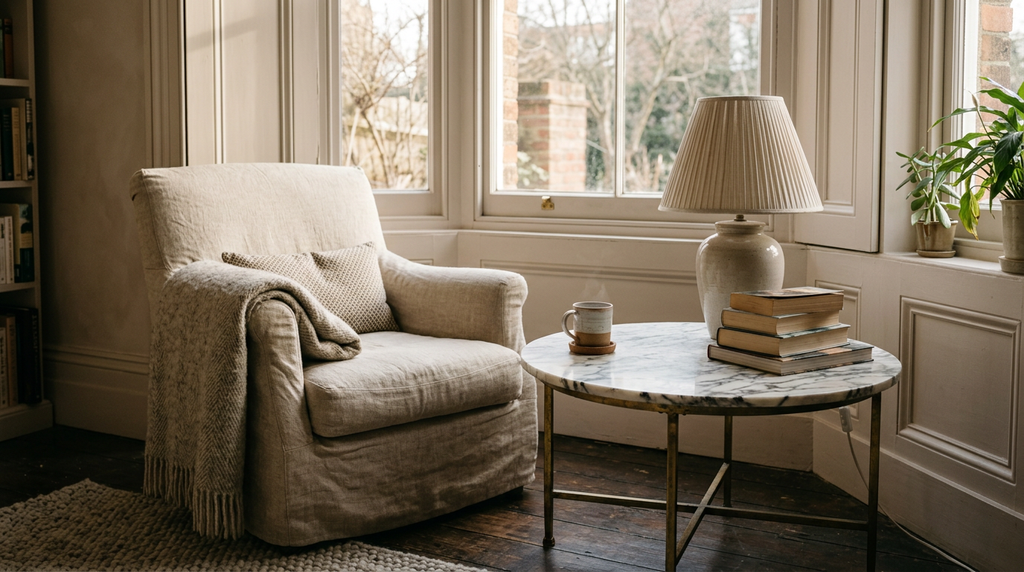
Marble is the classic. Its veining is unique to every slab, and it has a soft, luxurious feel. It is also porous and sensitive to acids, so red wine, citrus and even some cleaning sprays can mark it. Sealing helps, and coasters are a must, but many owners come to love the gentle patina it develops over time.
Granite is far harder and more resistant to scratches and stains. It suits busy family homes where the side table will see plenty of action, and it comes in a range of speckled and darker tones.
Quartz is an engineered stone, made largely from crushed natural quartz bound with resin. It is non-porous, so it shrugs off spills, and it offers a consistent colour and pattern if you prefer a cleaner look than natural veining.
Sintered stone is made by compressing natural minerals under intense heat and pressure. It is extremely resistant to heat, scratches and staining, and can mimic the look of marble with far less maintenance, which makes it a good choice for anyone who loves the marble look but not the upkeep.
Getting the Size and Height Right
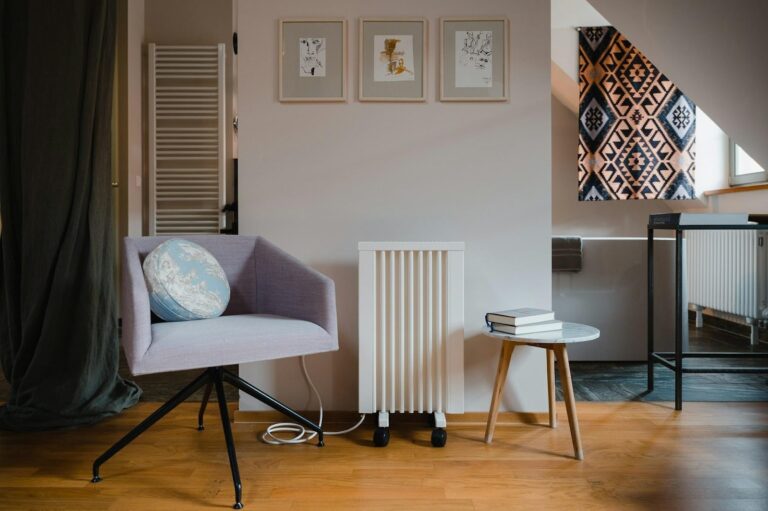
A side table should sit roughly level with the arm of the chair or sofa beside it, so you can put a cup down without reaching. Too low and it becomes awkward; too high and it dominates. Measure the arm height before you buy.
Think about what it needs to hold, too. A lamp, a book and a drink need a bigger top than a single plant. Taller, narrower lamp tables work well in tight spaces or beside a bed, while low, wide tables suit a deep armchair. In smaller rooms, a pair of side tables can do the job of a coffee table and free up floor space.
Mixing Materials
There is no need for everything to match. A stone side table can sit happily beside a wooden coffee table or a velvet sofa, and the contrast often looks more considered than a matching set. Repeating the stone elsewhere, perhaps in a lamp base, a tray or a dining table, ties the look together without it feeling planned.
The side table may be one of the smallest pieces in the room, but it is the one you reach for every evening. Choosing one that is beautiful, practical and built to last is a small change that makes a big difference.