The Enduring Appeal of White Internal Doors in Home Design
Despite the many evolving trends in interior design, white internal doors remain one of the most consistently popular choices for homeowners seeking a fresh, bright, and genuinely timeless living environment.
Why White Doors Continue to Dominate
White internal doors have held their position as the go-to choice in residential interiors for many decades, and the reasons for this remarkable durability are both straightforward and compelling. White is a neutral, light-reflective tone that bounces natural and artificial light around a room rather than absorbing it, making spaces feel more generous, brighter, and airier than they would appear with doors in darker or more saturated finishes. This light-reflective quality is especially valuable in properties with limited natural light, such as north-facing rooms, internal corridors, and ground-floor flats where sunlight may be restricted. White doors also provide maximum design flexibility, sitting comfortably alongside any wall colour, floor finish, or furniture style without creating visual competition or constraining future decorating decisions in any direction.
Styles of White Internal Door to Suit Every Home
The market for white internal doors encompasses a vast and varied range of designs to suit different interior aesthetics and architectural contexts, from the most modern new build to the most characterful period property. Flat panel or flush doors in a crisp white finish deliver a clean, contemporary look that is well-suited to modern open-plan layouts and new-build homes where simplicity and brightness are priorities. Traditional panelled doors with raised or moulded profiles bring a more classical character that works naturally within Victorian, Edwardian, and Georgian-style homes where period architectural detail is an important part of the property. Glazed white doors, which incorporate clear, frosted, or decorative glass panels within the door leaf, are a practical and attractive choice wherever both light transfer and a degree of visual privacy need to be carefully balanced.
Pre-Primed Versus Pre-Finished White Doors
When selecting white internal doors, one of the first practical decisions to make is whether to choose a pre-primed option that will require painting on site or a factory pre-finished door that arrives ready to hang from the packaging. Pre-primed doors offer greater flexibility in the exact shade of white used, allowing you to match the painted surface of the door precisely to the skirting boards, door architraves, and any other painted woodwork already in the room. Factory pre-finished doors save significant time and effort during the fitting process, as they arrive with a professionally applied, durable white coating that requires no additional preparation or painting before the door can be installed and used. The practical trade-off is that you are limited to the specific white shade formulated by the manufacturer, which may not perfectly match the existing painted woodwork already present in older rooms.
Coordinating White Doors with Room Design
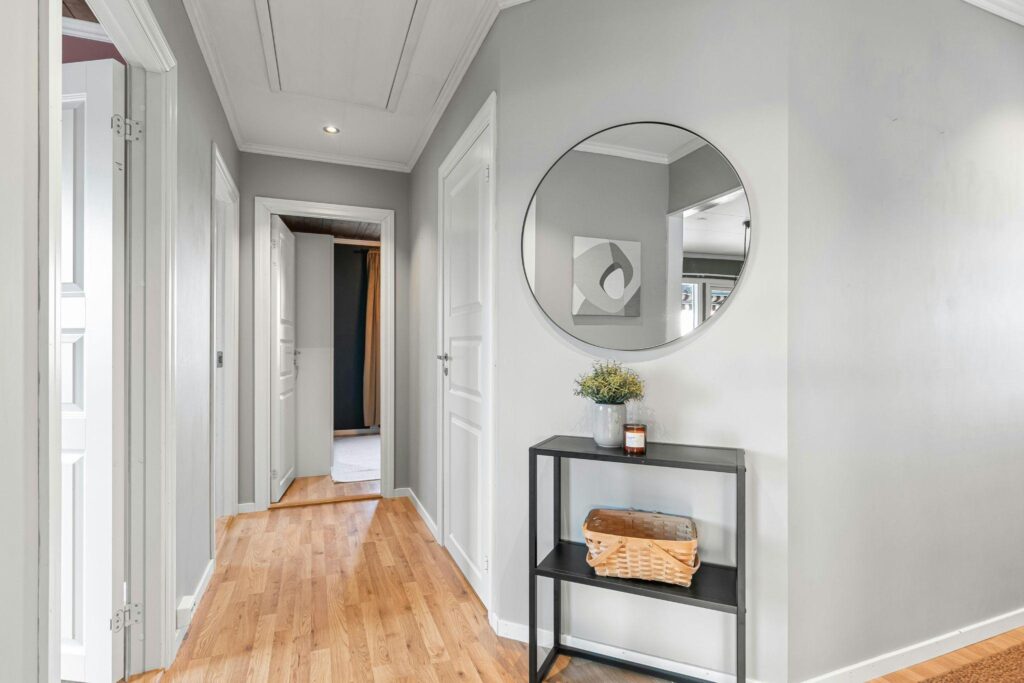
One of the great practical advantages of white internal doors is the ease with which they coordinate with other elements throughout a room, regardless of the chosen interior style or colour palette. Paired with white or very light grey painted walls, white doors create a seamless and visually uninterrupted flow that maximises the sense of space and cohesion across the whole property. Against a feature wall decorated in a stronger, bolder colour such as navy, forest green, or warm terracotta, white doors provide a crisp and defined contrast that allows the feature colour to make its full intended impact without conflict. Hardware choices also influence the finished look significantly; polished chrome or brushed stainless steel handles provide a clean, modern character, while aged brass or brushed bronze furniture adds warmth and a slightly more traditional mood to the overall door set.
Keeping White Doors Looking Their Best
The main practical maintenance consideration with white internal doors is their tendency to show scuffs, finger marks, and gradual yellowing or discolouration over time, particularly in the highest-traffic areas of a home, such as hallways, landings, and living rooms. Regular cleaning with a soft, damp cloth and a mild liquid detergent is generally sufficient to remove surface marks promptly and maintain the appearance of the finish without causing any damage to the paint or lacquer surface. For doors with a painted or clear lacquered finish, keeping a small pot of matching touch-up paint to hand allows minor chips and scratches to be repaired quickly before they become more noticeable or allow moisture to penetrate the substrate. Installing good-quality door stops to prevent handles from making contact with painted wall surfaces will also contribute significantly to preserving the overall appearance of your white door scheme over the long term.
A Versatile Choice for Any Property or Project
Whether you are fitting out a new-build home, undertaking a thorough renovation of a period property, or simply refreshing the look and feel of a family house, white internal doors are a versatile, dependable, and timelessly appropriate choice that will support and enhance your plans rather than constrain them in any way. Their broad appeal and neutral character mean they will not look dated as interior design trends continue to evolve, and their compatibility with virtually every decorating style means they can be dressed up or down with different hardware and surrounding finish choices to suit changing preferences over time. For homeowners who value flexibility, maximum light, and a clean and professional finish throughout their property, white internal doors remain the most reliably satisfying and practically sound option available in the market today.