The Benefits of Dental Implants for Oral Health and Confidence?
Why Dental Implants Are a Popular Choice
Losing a tooth can affect more than just your smile. It can make eating difficult, affect speech, and lower self-confidence. Traditional solutions such as dentures and bridges provide support, but many people are now choosing dental implants as a more permanent and natural-looking option. Dental implants not only replace missing teeth but also protect long-term oral health and improve quality of life.
What Are Dental Implants?
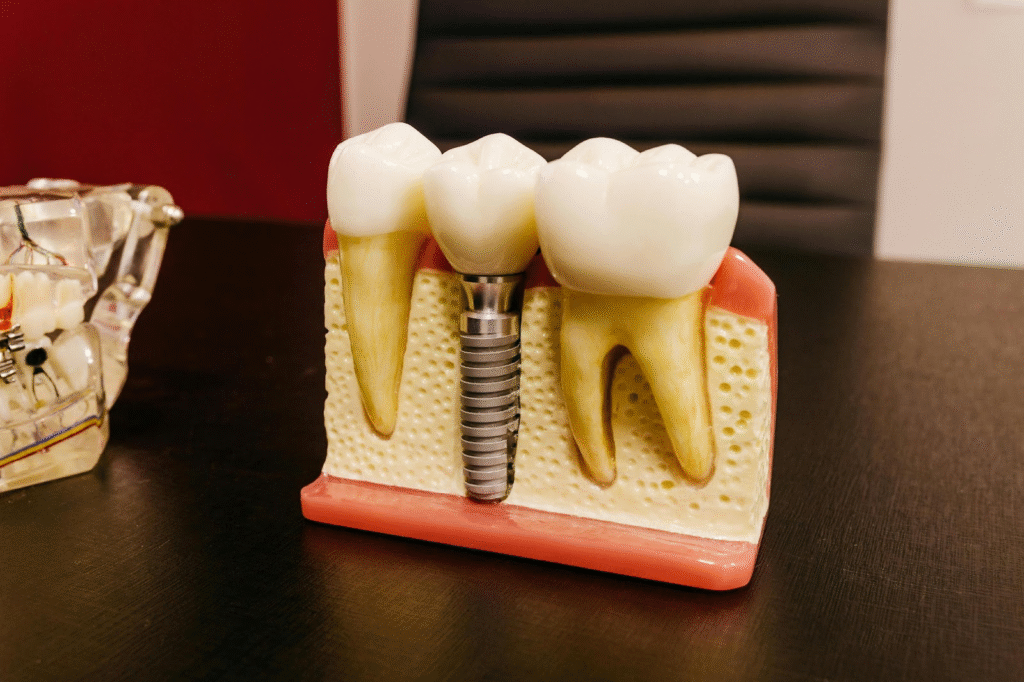
A dental implant is a small titanium screw that is placed into the jawbone to act as a replacement tooth root. Once the implant has fused with the bone, a crown, bridge, or denture can be fixed on top. Because the implant integrates with the bone, it provides a strong and stable foundation, much like a natural tooth.
This process, known as osseointegration, is what makes implants such a reliable solution. Unlike removable dentures, implants stay firmly in place and function almost like natural teeth.
How Implants Improve Oral Health
One of the most important benefits of dental implants is the way they support long-term oral health.
1. Prevent Bone Loss
When a tooth is lost, the bone around the empty socket begins to shrink because it no longer receives stimulation from chewing. Over time, this can lead to changes in the shape of the face and weaken surrounding teeth. Dental implants stimulate the jawbone in the same way as natural tooth roots, preventing bone loss and maintaining facial structure.
2. Protect Neighbouring Teeth
Unlike traditional bridges, which require grinding down healthy teeth for support, implants do not affect the surrounding teeth. This means your natural teeth are left untouched and stronger for longer.
3. Reduce Risk of Gum Disease
Gaps in your smile can be difficult to keep clean, allowing food and bacteria to build up. This can increase the risk of gum disease and infection. By filling the gap with an implant, it becomes easier to maintain good oral hygiene and protect your gums.
4. Restore Natural Function
Dental implants restore full chewing function, allowing you to eat a balanced diet without restrictions. This not only benefits oral health but also overall health, as you are less likely to avoid important foods such as fruit, vegetables, and lean proteins.
How Implants Boost Confidence
Beyond the health benefits, dental implants can have a major impact on confidence and well-being.
1. Natural Appearance
Modern dental implants are designed to look and feel like real teeth. The crowns are matched in shape, size, and colour to your natural teeth, creating a seamless smile. Most people will not be able to tell the difference.
2. Secure and Stable
Because implants are fixed in place, they do not move or slip like dentures sometimes can. This stability allows you to smile, laugh, and eat in public without worrying about embarrassment.
3. Improved Speech
Missing teeth and poorly fitted dentures can affect the way you speak. Dental implants provide a stable base, allowing you to pronounce words clearly and confidently.
4. Long-Term Confidence
Knowing that your smile looks natural and functions properly can have a lasting effect on confidence. Many patients report feeling more comfortable in social and professional situations after having implants fitted.
Durability and Long-Term Value
Dental implants are designed to last many years, often decades, with the right care. While the initial cost can be higher than other treatments, their longevity makes them a cost-effective solution in the long run. Bridges and dentures often need to be replaced or adjusted every few years, but implants can remain strong and functional with good oral hygiene and regular check-ups.
Are Dental Implants Right for Everyone?
Most adults with missing teeth are potential candidates for implants, but certain factors need to be considered. Patients must have healthy gums and enough bone to support the implant. In cases where bone density is low, bone grafting may be needed before implant placement.
Lifestyle factors such as smoking can also affect healing and long-term success. A consultation at Purley Dental Care is the best way to assess suitability and discuss treatment options.
The Dental Implant Procedure
Getting implants is usually carried out in stages:
- Initial consultation and assessment, including X-rays or scans.
- Placement of the implant into the jawbone under local anaesthetic.
- Healing period, where the implant fuses with the bone over several weeks or months.
- Placement of the crown, bridge, or denture once healing is complete.
Although the process takes time, the result is a strong and permanent replacement for missing teeth.
Caring for Dental Implants
Dental implants require the same care as natural teeth. Brushing twice daily, flossing or using interdental brushes, and regular dental check-ups will keep implants healthy. Professional cleaning may also be advised to maintain gum health and prevent plaque build-up around the implant.
With good oral hygiene, implants can last a lifetime, making them one of the most reliable solutions for missing teeth.
Final Thoughts
Dental implants offer a wide range of benefits that go beyond simply filling a gap in your smile. They protect oral health by preventing bone loss, safeguarding neighbouring teeth, and reducing the risk of gum disease. At the same time, they restore natural function, making it easier to eat, speak, and smile with confidence.
For anyone looking for a long-lasting and natural-looking solution to tooth loss, implants provide both health benefits and improved self-esteem. With proper care and professional support, they are an investment that can enhance your quality of life for many years to come.
For more contact xxbrits.