
Choosing the right underground fuel tanks for commercial service stations
Selecting the ideal storage infrastructure is a critical strategic decision for any commercial service station operator in the United Kingdom. Managing heavy daily volumes of petroleum products requires a robust system that guarantees operational continuity, regulatory compliance, and total environmental safety. Business owners must carefully assess technical specifications, site dimensions, and expected throughput before investing in storage equipment. Modern fuel retail enterprises operate in an increasingly regulated environment where avoiding fuel contamination, leaks, and costly downtime is paramount. By choosing modern, high-specification equipment, commercial enterprises can protect their long-term capital investment, streamline fuel delivery logistics, and maintain a reliable, uninterrupted service for their commercial and private motoring customers across the country.
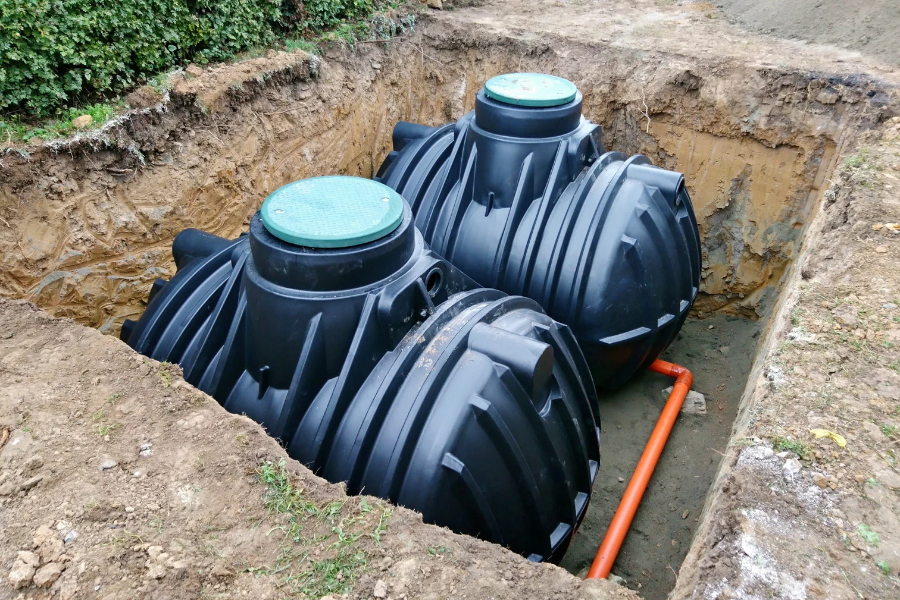
Selecting the ideal storage infrastructure is a critical strategic decision for any commercial service station operator in the United Kingdom. Managing heavy daily volumes of petroleum products requires a robust system that guarantees operational continuity, regulatory compliance, and total environmental safety. Business owners must carefully assess technical specifications, site dimensions, and expected throughput before investing in storage equipment. Modern fuel retail enterprises operate in an increasingly regulated environment where avoiding fuel contamination, leaks, and costly downtime is paramount. By choosing modern, high-specification equipment, commercial enterprises can protect their long-term capital investment, streamline fuel delivery logistics, and maintain a reliable, uninterrupted service for their commercial and private motoring customers across the country.
Material selection and specialized corrosion protection
When evaluating structural options, commercial operators consistently turn to heavy-duty steel as the primary manufacturing material for subterranean fuel storage. Steel provides superior mechanical strength, structural integrity, and high resistance to external ground pressures or dynamic loads from forecourt traffic. However, because plain carbon steel is susceptible to rust in damp subterranean conditions, high-spec underground fuel tanks are built using carbon steel that is comprehensively coated with specialized corrosion protection. These advanced protective coatings, such as thick polyurethane or heavy-duty external resin wraps, act as an impenetrable barrier against soil moisture, aggressive chemicals, and stray electrical currents. For fuel retail businesses, choosing steel shielded with specialized anti-corrosive coatings ensures outstanding longevity, maintains structural stability, and prevents structural degradation without needing stainless steel components.
Double-walled containment for environmental security
Commercial service station enterprises in Great Britain must adhere strictly to environmental regulations enforced by the Environment Agency and local authorities. To eliminate the risk of soil contamination and groundwater pollution, operators install double-walled containment structures. In this configuration, the primary inner steel tank holds the fuel, while a secondary outer shell surrounds it, creating an interstitial monitoring space. Should the inner steel wall develop a fault, the outer shell captures the escaping liquid, preventing any hazardous fuel from reaching the surrounding soil. This secondary containment design provides commercial business owners with absolute operational safety and protects the enterprise against devastating environmental clean-up costs, severe regulatory penalties, and reputational damage.
Capacity planning and site optimization
Determining the precise capacity requirements is a pivotal step for business management when upgrading forecourt storage systems. Commercial service stations must balance their daily turnover with the frequency of bulk tanker deliveries to avoid costly stockouts or inefficient partial deliveries. Installing larger volume storage units allows companies to purchase fuel in larger quantities, securing better wholesale pricing and reducing transport overheads. Furthermore, proper spatial planning ensures that the subterranean installation accommodates the necessary clearances from building foundations, property boundaries, and utility lines. Careful capacity calculation and site layout optimization enable fuel retailers to maximize their operational efficiency while maintaining a safe, accessible forecourt environment for heavy commercial vehicles.
Advanced leak detection and digital monitoring
Modern commercial fuel storage relies heavily on automated monitoring technology to maintain continuous oversight of fuel levels and structural integrity. Integrated interstitial sensors continuously check the space between the double steel walls for liquid or vacuum pressure changes, instantly alerting site managers to potential leaks. Additionally, modern automatic tank gauging systems provide real-time data regarding fuel inventory, temperature changes, and potential water ingress. For commercial enterprises managing multiple retail locations, these digital monitoring systems integrate seamlessly with central business analytics tools, allowing logistics managers to optimize stock control, prevent inventory shrinkage, and ensure immediate compliance reporting to local petroleum enforcement authorities.
Long-term asset value and regulatory compliance
Investing in high-grade, coated steel subterranean storage offers commercial fuel enterprises lasting operational benefits and excellent return on investment. Adhering to the stringent guidance set by the Energy Institute and the Health and Safety Executive ensures that the service station operates fully within British law. Regular technical inspections, maintenance of the anti-corrosive protective layer, and ongoing system checks prevent unexpected operational shutdowns and prolong the working life of the equipment. By prioritizing high-quality manufacturing standards and robust environmental safeguards, commercial operators establish a resilient business foundation, ensure continuous profitability, and protect their enterprise’s reputation for safety and reliability in the fuel retail sector.