What Would a Breakup of the UK Mean for Its Economy?
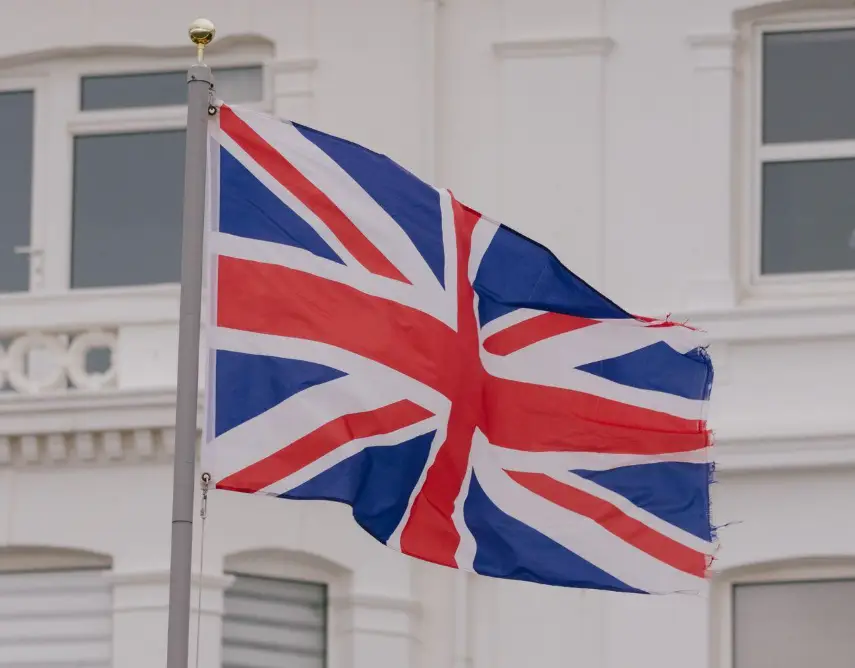
The breakup of the United Kingdom would be far more than a political event. It would reshape trade, public finances, currencies and investment across England, Scotland, Wales and Northern Ireland, with consequences that could take years to become clear.
The Pound Would Face a New Kind of Uncertainty
One of the first questions would be what happens to sterling. Today, the pound is backed by an economy of roughly 70 million people, with a single central bank, government bond market and monetary system. A smaller UK would still be a major economy, but investors would need to reassess its size, tax base and long-term financial position.
That uncertainty could make any gbp to usd forecast particularly difficult during the transition. Currency markets dislike unanswered questions, and a breakup would create plenty of them. Would Scotland continue using sterling? Would it eventually introduce its own currency? How would UK government debt be divided? What would happen to the Bank of England’s responsibilities?
Scotland’s current independence plans envisage continuing to use sterling initially before eventually introducing a Scottish pound. Such an arrangement could provide continuity, but Scotland would initially have limited control over monetary policy if it continued using a currency managed by the Bank of England.
Sterling itself would not necessarily suffer permanently. Once new arrangements became clearer, markets would focus again on familiar factors such as growth, inflation, interest rates and government borrowing. The period between a vote and a final settlement, however, could be volatile.
Trade Would Suddenly Become More Complicated
One of the biggest economic advantages of the UK is easy internal trade. A company in Glasgow can sell to customers in Manchester without worrying about customs declarations, currency conversion or different national trading rules.
Independence could change that.
Scotland in particular conducts a large amount of business with the rest of the UK. Even if governments tried to preserve frictionless trade, differences could gradually emerge in taxation, employment law, product standards and regulation.
The situation would become more complicated if an independent Scotland joined the European Union. Scotland could gain easier access to the EU single market, but its economic relationship with England and Wales could begin to resemble Britain’s existing relationship with EU members.
Businesses operating on both sides of the border might therefore face additional administration. Larger companies could absorb those costs relatively easily. For small businesses selling mainly within Britain, they could matter considerably more.
Public Spending Would Have to Be Rebalanced
Breaking up the UK would also end some of the financial transfers that currently take place within the country.
Tax revenues and government spending are not evenly distributed across Britain. The UK-wide system allows money raised in one area to help fund healthcare, pensions, infrastructure and other services elsewhere.
Independence would force new governments to balance their own books.
This could be particularly challenging for countries where public spending currently runs significantly above locally generated tax revenues. They would have several options: increase taxes, reduce spending, borrow more or attempt to grow their economies faster.
The remaining UK would face adjustments too. It would lose both tax revenue and spending commitments associated with departing nations. Existing national debt would also need to be addressed during negotiations, potentially becoming one of the most difficult parts of any separation agreement.
Businesses Could Delay Investment
Perhaps the biggest immediate economic cost would come from uncertainty rather than independence itself.
Businesses make investment decisions based partly on knowing what rules they will face. A constitutional breakup could leave questions about tax, currencies, financial regulation, immigration and access to markets unanswered for several years.
Some companies might postpone major investments until the situation became clearer. Others could restructure their operations, particularly banks, insurers and businesses with customers throughout Britain.
There could also be opportunities. Newly independent governments might compete for investment through lower taxes, targeted incentives or business-friendly regulation. Edinburgh, Cardiff or Belfast could potentially develop policies designed specifically around their own economic strengths.
Northern Ireland Would Be a Different Case
Northern Ireland presents a different scenario because leaving the UK would most likely mean joining the Republic of Ireland rather than becoming an independent state.
Economically, that would involve integration with an EU member using the euro. Businesses would need to adjust to a different tax, currency and regulatory system, while public services and government finances would require extensive restructuring.
There could also be advantages from removing some barriers between Northern Ireland and the Republic. Much would depend on how gradually integration occurred and what financial support was provided during the transition.
A Smaller UK Would Still Be a Major Economy
A breakup would not automatically produce economic disaster, nor would independence guarantee greater prosperity for the countries leaving.
The outcome would depend heavily on decisions made afterwards.
England would remain a large advanced economy with London as an important global financial centre. Scotland would retain significant strengths in energy, financial services, tourism and higher education. Wales has growing opportunities in renewable energy and advanced manufacturing, while Northern Ireland has increasingly close economic links with both Britain and Ireland.
The real economic question, therefore, would not simply be whether the UK remained together. It would be how successfully its former members managed the transition.
Borders, currencies and institutions can all be redesigned. The difficult part would be doing so without unnecessarily disrupting the deeply connected economy that has developed around them.