
How Families Can Prepare a Home for Changing Mobility Needs
Mobility changes rarely arrive all at once. More often, they show up in small moments: a parent hesitating at the stairs, someone holding on to furniture to move around, or a bath that suddenly feels harder to step into than it used to. When families notice those signs early, they have a much better chance of making home life safer and less stressful.
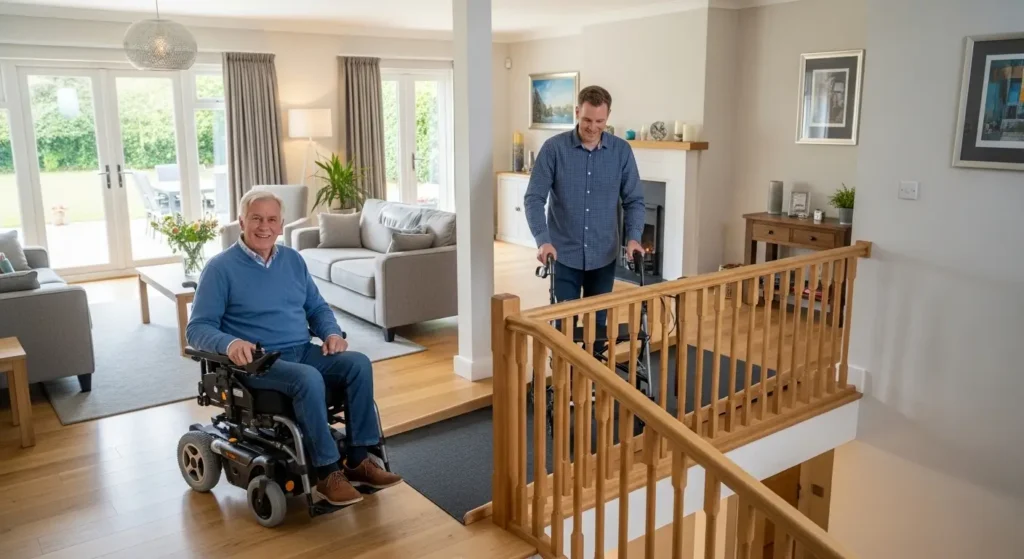
The good news is that preparing a home does not always mean major building work. In many cases, it starts with noticing what is becoming difficult and making sensible changes before a fall, near miss or loss of confidence forces the issue.
Look at how the home is used every day
The best place to start is with routines. Think about where the biggest pressure points are in daily life. For some people, it is getting upstairs. For others, it is using the bathroom safely, standing for long periods in the kitchen or getting in and out of the front door.
That is why families often begin by looking at support such as stairlifts in Leicestershire when stairs become tiring or feel less secure. The key is to match the home to the person’s current needs, while also thinking a little ahead.
A useful rule is to focus on the areas used most often. Entrances, stairs, bathrooms and bedrooms tend to matter more than occasional-use rooms. Once those spaces feel easier and safer, everyday life can improve quickly.
Start with small changes before bigger ones
Not every mobility issue needs a large adaptation straight away. Sometimes a few well-judged changes can remove the biggest obstacles and buy time to plan properly.
Simple improvements might include better lighting, handrails on both sides of the stairs, non-slip flooring, a shower seat or moving frequently used items to easier-to-reach places. Many families find it helpful to understand the range of home aids and adaptations before deciding what should come first.
These smaller updates can also help you spot what still feels difficult. If someone continues to avoid the bath, struggles with steps or limits how often they go upstairs, that points to where further support may be needed.
Think about confidence as well as access
Mobility is not only about what someone can physically do. It is also about how safe and confident they feel doing it. A room may look accessible on paper, but if a person feels anxious using it, the space is not really working for them.
That is why it helps to ask direct questions. Which part of the day feels hardest? What are they starting to avoid? What feels tiring, awkward or risky? The answers are often more useful than a quick visual check of the house.
Plan for the next stage, not just today
Families sometimes wait until a situation becomes urgent, but a calmer approach usually leads to better choices. Thinking ahead can mean measuring doorways, considering whether a downstairs sleeping space might be needed later, or asking whether an occupational therapist should assess the layout.
Understanding the different kinds of home adaptations can make those conversations easier. It also helps families separate short-term fixes from changes that could support independence for much longer.
Most importantly, involve the person whose home it is. Decisions about mobility should not feel like things are being done to them. The most successful changes tend to be the ones that protect dignity, reduce effort and help daily life feel more manageable without making the home feel clinical.
Preparing for changing mobility needs is really about staying ahead of the problem. When families act early, they can create a home that feels safer, more comfortable and far better suited to the realities of everyday life.