
Everyday Scenarios Where VPNs Are Helpful
VPNs have this reputation as something only IT professionals or the tinfoil-hat crowd care about. That’s outdated thinking. Regular people bump into situations every week where a VPN would’ve saved them time, money, or a headache.
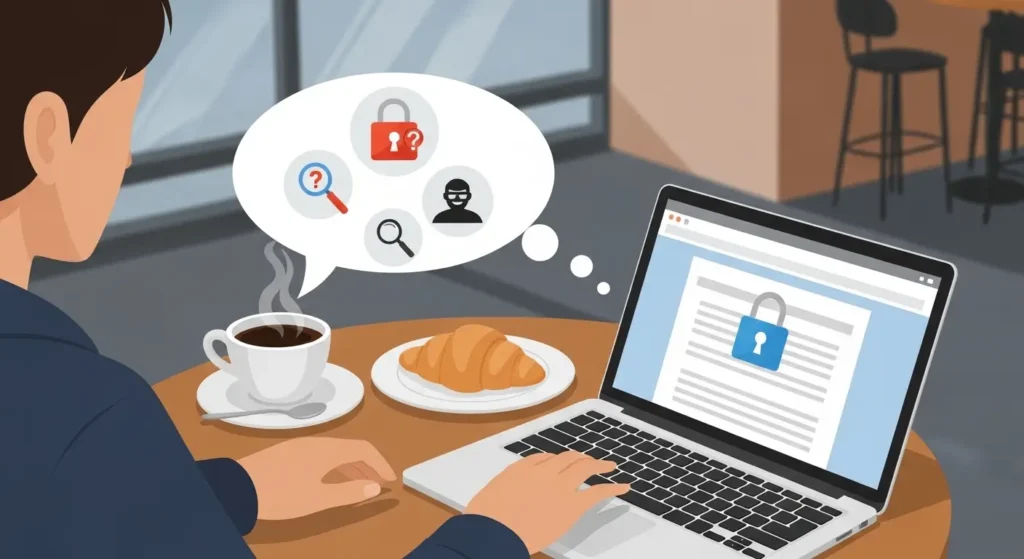
At its core, a VPN encrypts internet traffic and reroutes it through a server somewhere else, swapping out the user’s real IP address. Simple enough. But where it gets interesting is the sheer number of everyday problems this actually solves.
Public Wi-Fi Is Worse Than People Think
That free Wi-Fi at the airport or the local cafe? It’s basically an open window. Around 40% of people using public hotspots have had their data compromised at some point, and most of them didn’t even notice until weeks later.
With a VPN running, all traffic between the device and the server gets encrypted. The guy two seats over at the gate running Wireshark sees gibberish. Email credentials, banking sessions, even basic browsing history stays locked down.
Hotels are somehow even sketchier. Hundreds of guests share one network with zero isolation between devices. It’s like handing out copies of a house key to every person on the floor. For anyone who’s still fuzzy on what is VPN used for, getting hit with a credential theft on vacation tends to clear that up fast.
Getting Locked Out of Your Own Accounts Abroad
Here’s a frustrating one. Someone flies to Portugal for two weeks, tries to log into their bank, and gets blocked because the IP address doesn’t match their home country. Streaming libraries change. News sites serve different content. It feels like half the internet just disappeared.
A VPN connection back to a home server fixes almost all of this instantly. Banking portals work again, subscriptions behave normally, and local news loads like nothing changed.
It goes the other direction too. Researchers checking international pricing, journalists reading foreign press, or anyone curious about how a website looks from another country can just pick a server location and go.
Explore: https://xxbrits.uk/toni-camille-xxbrits/
Remote Work Without the Security Gaps
Most home networks weren’t built to handle sensitive work data. A consumer router sharing bandwidth with a teenager’s gaming session and three smart speakers isn’t exactly enterprise security.
That’s why more companies now require VPN connections for remote access to internal systems. But it’s not just corporate employees who benefit. Freelancers sending client deliverables over coffee shop Wi-Fi are taking a real risk. According to Stanford’s research on remote work, about 28% of all work days happen remotely now. That’s a staggering volume of confidential files moving through networks that were designed for streaming Netflix, not protecting trade secrets.
A VPN won’t replace a full security setup, but skipping it is like leaving the front door propped open while installing a fancy alarm system.
The Quiet Price Markup Nobody Talks About
Airlines and hotel booking platforms adjust prices based on where the visitor appears to be browsing from. A flight search from Manhattan might cost 15% more than the exact same search routed through a different region. It’s legal, it’s common, and most people have no idea it’s happening.
VPNs let users shop around from different virtual locations before pulling the trigger. It doesn’t guarantee savings every time, but it exposes the markup when it exists. A Forbes piece on dynamic pricing confirmed these location-based adjustments are growing more widespread, not fading away.
ISPs Selling Browsing Data
In plenty of countries, internet service providers can legally collect browsing histories and sell that data to advertisers. The Electronic Frontier Foundation has tracked how this feeds into ad-targeting systems that users never really agreed to.
A VPN hides browsing activity from the ISP entirely. The provider knows a VPN connection exists, sure, but the actual sites visited stay invisible. For anyone creeped out by the idea of Comcast or Vodafone cataloging every site they visit, this is reason enough.
Gamers Have Their Own Reasons
Some online gamers route traffic through VPN servers positioned closer to game data centers, shaving off a few milliseconds of latency. Others use them to dodge bandwidth throttling (certain ISPs quietly deprioritize gaming traffic during peak hours).
In competitive play where 20ms of ping separates a win from a loss, that routing optimization matters more than most people would guess.
Useful, Not Magical
VPNs aren’t invisibility cloaks. A bad provider can actually make privacy worse, and they won’t bypass every restriction cleanly. But for the boring, real-world stuff (public Wi-Fi protection, accessing home accounts abroad, keeping ISPs from monetizing browsing habits) they’re hard to beat.
It’s a seatbelt, basically. Nobody thinks about it until the one time it matters.
The source of this article is https://xxbrits.uk.