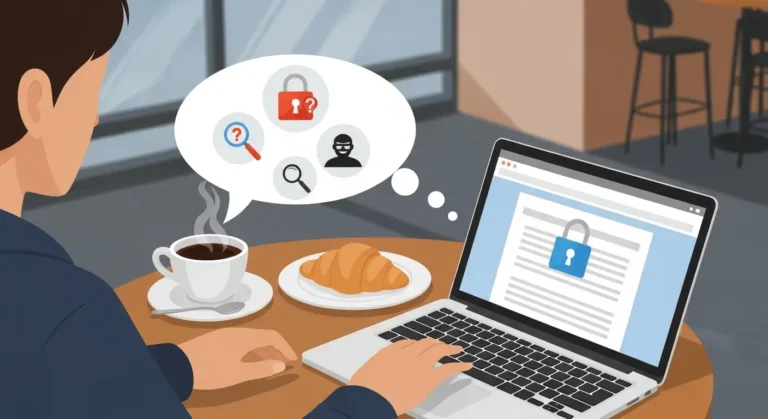
Why Anonymous Image Sharing Is Important
Anonymous image sharing gives you control over what you share and how long it stays visible. Not every image needs to be tied to your identity or stored forever.

For example, tools like Chatpic allow you to send images that disappear after viewing. That kind of setup shows how modern sharing can stay quick while still protecting your privacy.
What does anonymous image sharing actually mean
It means you can share images without linking them to your name, profile, or identity. The image exists on its own without a visible connection to you.
This keeps the focus on the content instead of the person behind it.
Why does privacy matter when sharing images
Images carry hidden details. A simple photo can reveal location, surroundings, or personal habits without you realising it.
Anonymous sharing reduces that exposure. It limits what others can trace back to you and keeps your personal space protected.
Common privacy risks without anonymity
- Location data stored in image files
- Background details revealing personal life
- Images being linked to social profiles
- Content being saved and reused without control
Removing identity from the process lowers these risks.
How do self-destruct features improve safety
Self-destruct images are designed to disappear after a single view or after a short time. This reduces long-term exposure.
Benefits of disappearing images
- No permanent storage of content
- Lower chance of unwanted sharing
- Better control over who sees the image
- Reduced digital footprint
This approach keeps things temporary and controlled.
When is anonymous image sharing useful
It works best when privacy matters more than visibility.
Practical use cases
- Sharing personal images in private conversations
- Sending quick visuals without saving them
- Discussing sensitive topics with proof
- Reporting something without revealing identity
Each case benefits from reduced traceability.
What makes anonymous tools different from regular platforms
Regular platforms connect every image to a user account. Anonymous tools remove that connection.
| Feature | Anonymous Tools | Regular Platforms |
| Identity required | No | Yes |
| Data tracking | Low | High |
| Image lifespan | Temporary | Often permanent |
| Control after sharing | High | Limited |
| Risk of exposure | Lower | Higher |
The difference is clear. One protects privacy. The other stores visibility.
What should you look for in a good anonymous image sharing tool
Not all tools offer the same level of protection. Some still collect data behind the scenes.
Key features to check
- No sign-up required
- Auto-delete or expiry options
- Minimal data tracking
- Secure upload links
- Simple and fast access
These features decide how safe the tool really is.
How can you share images safely even when anonymous
Anonymity helps, but safe habits still matter.
Safe sharing habits
- Check what is visible in the image
- Avoid uploading highly sensitive content
- Use expiry features when available
- Share links only with trusted people
Simple steps reduce unnecessary risks.
What are the limits of anonymous image sharing
It improves privacy but does not remove all risks completely.
Important limits to know
- Screenshots can still be taken
- Shared links can be forwarded
- Some tools may log basic usage data
Understanding these limits helps you stay careful.
Final thoughts
Anonymous image sharing matters because it gives control back to you. You decide what is shared, who sees it, and how long it stays available.
With features like disappearing images, sharing becomes temporary and closer to real-life interaction where not everything needs to be saved.