
Modern British lifestyle with British roots describes the way daily life in the United Kingdom combines contemporary habits with long-standing national traditions. The phrase covers food, homes, social life, work, and leisure across England, Scotland, Wales, and Northern Ireland. The balance between new practices and old customs defines how millions of people in Britain eat, gather, work, and relax.
According to the Office for National Statistics, 28% of working adults in Great Britain worked in a hybrid pattern between January and March 2025, while millions of the same people still gather in pubs, queue for Sunday roasts, and tend gardens at weekends. The old and the new coexist within the same week, often within the same day. A video call from a Victorian terrace, a flat white beside a full English breakfast, and a heritage railway trip booked on a smartphone all belong to the same modern British lifestyle.
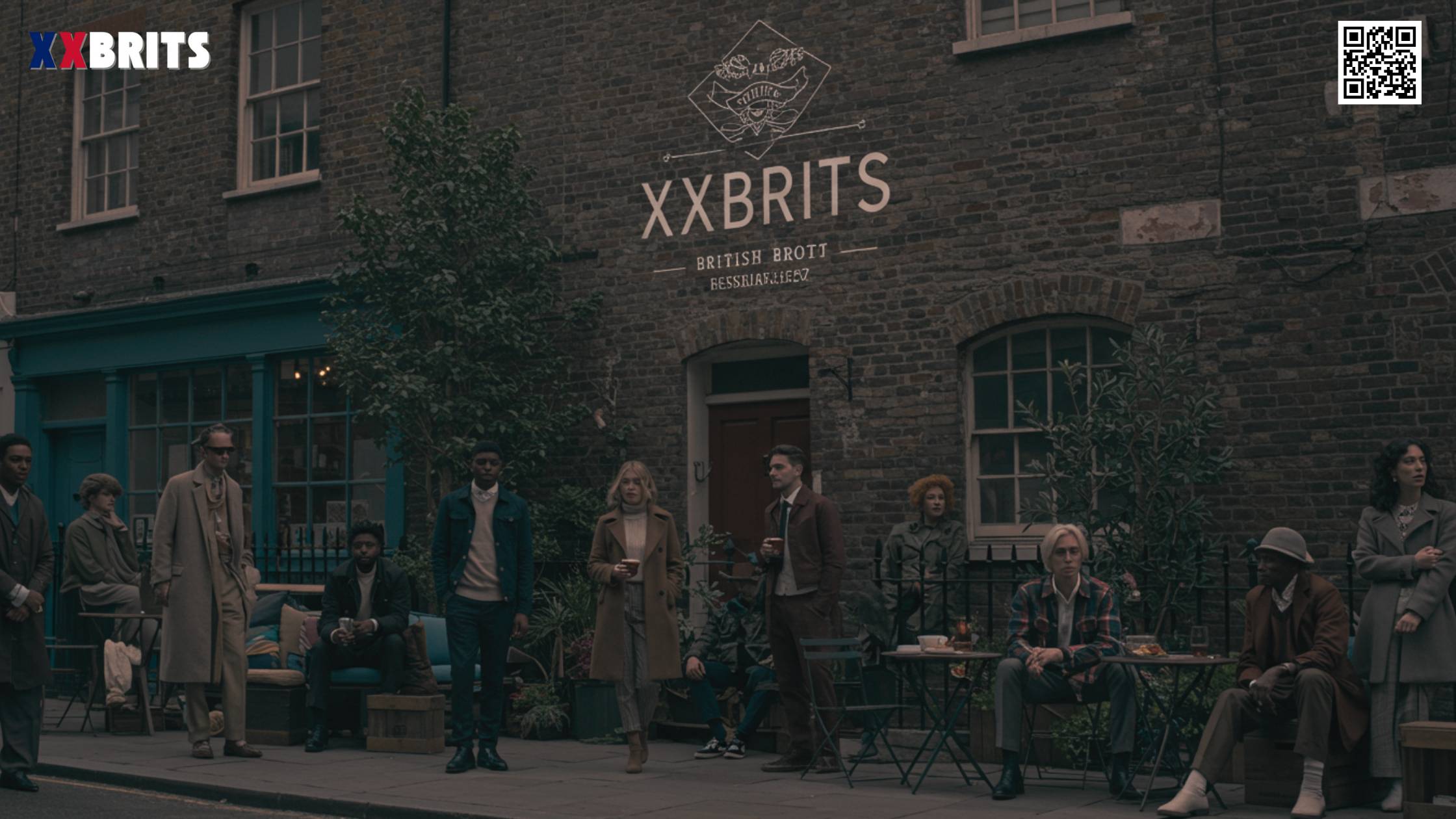
XXBrits presents this balance as one of its central subjects. The page covers how tradition and modernity shape everyday British life, from the kitchen table to the high street. The sections below define the concept, name its 5 main pillars, and examine food, homes, pubs, work, sport, traditions, and the countryside in turn.
What Does “Modern Lifestyle, British Roots” Mean?
Modern lifestyle with British roots means living a contemporary British life that keeps recognisable national traditions at its centre. The modern part covers smartphones, hybrid work, food delivery apps, and streaming. The roots part covers pubs, Sunday roasts, gardens, queuing, and bank holidays. Neither part displaces the other. The two layers operate together in daily routines.
A sociologist would describe the pattern as continuity through adaptation. Old forms survive because people fit new tools around them. The pub quiz now runs on a phone app for scoring. The Sunday roast gets ordered through a supermarket delivery slot. The village fete advertises on a community Facebook group. The form changes, and the custom continues.
A reader planning a move to Britain would use the concept as a practical guide. The guide covers what to expect at work, what neighbours value, and which customs carry social weight. Turning up on time, respecting the queue, and accepting a cup of tea all signal belonging. These small observances matter more than any single grand tradition.
An ONS researcher would point to the numbers behind the blend. The Opinions and Lifestyle Survey records both the rise of hybrid work and the persistence of established social habits. Modern British lifestyle with British roots is therefore a measurable pattern, not a slogan. It shows up in time-use data, spending data, and membership rolls alike.
What Are the 5 Main Pillars of Modern British Lifestyle?
There are 5 main pillars of modern British lifestyle: food, home, social life, work, and leisure. Each pillar pairs a traditional core with a modern delivery method. The table below sets out the 5 pillars, the tradition at the heart of each one, and the modern form each tradition takes today.
| Pillar | Traditional core | Modern form |
|---|---|---|
| Food | Sunday roast, full English, fish and chips | Delivery apps, meal kits, global fusion menus |
| Home | Garden, fireplace, Sunday upkeep | Smart heating, video doorbells, online garden centres |
| Social life | Pub, club, village hall | Group chats, hybrid gatherings, community apps |
| Work | Office hours, commute, tea break | Hybrid schedules, video calls, flexible hours |
| Leisure | Football terraces, rambling, allotments | Streaming, parkrun apps, heritage site bookings |
The table matters because it shows the same mechanism five times. A recognisable British custom persists, and a digital layer grows around it. Readers who grasp this mechanism can read every section below as a variation on one theme. The sections that follow examine each pillar in depth, starting with food.
How Does British Food Culture Mix Tradition With Modern Tastes?
British food culture mixes tradition with modern tastes by keeping classic dishes on the menu while absorbing global flavours and digital convenience. The full English breakfast, the Sunday roast, and fish and chips remain national reference points. Around them sit ramen bars, taco trucks, and curry houses on the same high street. Tradition sets the frame, and global influence fills it.
The Sunday roast illustrates the blend. Families still gather for roast beef, Yorkshire pudding, roast potatoes, and gravy on Sundays. Supermarkets now sell complete roast dinner kits with timed cooking guides. Butchers report steady demand for roasting joints alongside growth in plant-based alternatives. The ritual holds, and the ingredients diversify.
Chicken tikka masala shows how deeply Britain absorbs outside influence. In a 2001 speech, Foreign Secretary Robin Cook called chicken tikka masala “a true British national dish”. The dish originated in South Asian cooking and became a fixture of British restaurants and ready meals. Cook used it as proof that British identity absorbs new influences rather than resisting them. The page on how British cuisine is evolving with global influence examines this process in full.
Delivery platforms changed how Britain eats without changing what Britain craves. Deliveroo, founded in London in 2013, built its business on restaurant meals delivered to homes. Friday night curry, Saturday night pizza, and Sunday roast trimmings all travel by courier now. The craving stays traditional, and the logistics turn modern. Convenience layers over custom without replacing it.
Three perspectives complete the picture. A chef sees the fusion as creative freedom with a British base. A nutritionist notes that traditional dishes carry heavy fats and salts, while modern options add lighter choices. A home cook values the delivery slot that saves the Sunday shop. All three describe the same mix from different positions at the table.
How Do British Homes Stay Rooted in Heritage?
British homes stay rooted in heritage through the garden, the preservation of period features, and the national habit of home improvement. The garden functions as an outdoor room with deep cultural weight. Period features such as fireplaces, cornicing, and sash windows raise property values. The DIY weekend remains a fixture of British domestic life.
Gardening stands as the most widespread heritage practice in British homes. The Royal Horticultural Society (RHS) describes Britain as a nation of 30 million gardeners or more, with some RHS statements placing the figure as high as 41 million. Allotments, village show competitions, and the Chelsea Flower Show, first held in 1913, all channel the same impulse. The garden connects a tower-block balcony grower with a country estate head gardener through shared practice.
Technology now serves the heritage rather than displacing it. Smart thermostats heat Victorian terraces more efficiently. Video doorbells guard Edwardian front doors. Online garden centres deliver plants to cottages that once relied on the local nursery. The 2025 RHS State of Gardening Report notes that cultivated plant diversity covers an area three times larger than all United Kingdom National Nature Reserves combined. Modern tools protect an old relationship with the land.
Three perspectives balance the account. An estate agent confirms that original features command premiums in every region. A conservation officer warns that uPVC windows and lost chimney stacks erode streetscapes. A young buyer values the character of a period flat and the app that controls its heating. Heritage and modernity negotiate in every renovation decision.
What Role Do Pubs Play in Modern British Social Life?
Pubs function as the default social venue of modern British life and as community anchors under economic pressure. The British Beer and Pub Association (BBPA) represents more than 20,000 pubs. The House of Commons Library, citing BBPA figures, puts the total United Kingdom pub stock at around 45,000 in 2024, down from 60,800 in 2000. The sector pours more than 34 billion pounds into the economy each year and supports more than 1 million jobs.
The numbers reveal both resilience and strain. The BBPA recorded 289 pub closures across England and Wales in 2024, equal to about 6 closures per week and 4,500 lost jobs. Business rates, energy costs, and employer National Insurance rises all squeeze margins. Communities respond by buying pubs as cooperatives, with hundreds of community-owned pubs now trading across Britain. The pub survives because neighbours treat it as infrastructure, not just a business.
The pub quiz shows tradition adapting to modern tools. Quiz nights fill midweek pubs in every town. Scoring apps, card payments at the bar, and social media promotion all serve a format that is decades old. CAMRA, the Campaign for Real Ale founded in 1971, still champions cask beer through festivals and pub guides. The rituals persist, and the administration modernises.
Three perspectives round out the picture. A publican describes the pub as the village living room. A regular values the quiz team that has met every Tuesday for a decade. An economist notes that each pound spent in pubs circulates through brewers, farmers, and staff. All three confirm the same fact: the pub remains the centre of British social life.
How Has Working Life Changed in Modern Britain?
Working life in modern Britain has shifted toward hybrid patterns while keeping traditional structures such as the working week and the tea break. The Office for National Statistics found that 28% of working adults in Great Britain worked in a hybrid pattern between January and March 2025. A further 14% worked from home only. The share of hybrid workers has risen steadily since 2022, while the share who only travel to a workplace has fallen.
The pattern concentrates among professionals. Among working adults educated to degree level, 41% worked in a hybrid pattern in early 2025. Workers earning over 50,000 pounds per year reached 45% hybrid. ONS research adds a further measure: employees save an average of 56 minutes of commuting on days they work from home. The saved hour goes to sleep, exercise, and family time. The commute shrinks, and the working day keeps its shape.
Employers have formalised the shift. The Chartered Institute of Personnel and Development (CIPD) reported in 2025 that 74% of United Kingdom organisations support hybrid working. Two thirds of those organisations set minimum office days. The tea break, the Friday finish, and the office birthday collection all survive inside the hybrid week. Old rhythms persist within new schedules.
Three perspectives show the balance. A manager values the focus of home days and the collaboration of office days. A junior employee misses the informal learning of full-time office life. A facilities planner redesigns offices around meeting space rather than desks. Each perspective describes the same hybrid settlement from a different chair.
How Does British Sport Anchor Modern Leisure?
British sport anchors modern leisure through football, heritage events, and mass participation activities with deep historical roots. The Premier League reports broadcasts in 212 territories to 643 million homes, with a potential television audience of 4.7 billion people. Research by Nielsen found that 3.2 billion people watched Premier League football during the 2018/19 season. The figures describe a British export that shapes weekend routines on every continent.
Heritage events keep older traditions visible. The Wimbledon Championships, first staged in 1877, still enforce traditions such as the all-white dress code and strawberries and cream. The FA Cup, first contested in the 1871/72 season, still gives lower-league clubs their annual shot at giants. These events sell out and trend online in the same weekend. History and the hashtag coexist.
Mass participation shows the roots at ground level. Parkrun, founded at Bushy Park in 2004, now organises free weekly 5-kilometre runs across the country. The page on how British music influences global sound covers a parallel story in culture: a British form that travels the world while staying rooted at home. Sport and music both export British identity and reinforce it domestically.
Three perspectives complete the section. A season-ticket holder describes the stadium as a weekly ritual. A parkrun volunteer values the free, open format that welcomes every pace. A broadcaster notes that British sport commands premium rights fees because the audience spans generations. The anchor holds across all three views.
What Traditions Do Britons Keep in Daily Life?
Britons keep daily traditions including afternoon tea, bank holiday rituals, queuing, and Remembrance observances. Afternoon tea traces to Anna Maria Russell, the Duchess of Bedford, in the 1840s. The practice of tea, sandwiches, scones, and cake in the late afternoon spread from aristocratic houses to high street tea rooms and supermarket cream tea kits. The form democratised, and the ritual survived.
Bank holidays structure the national year. England and Wales observe 8 bank holidays each year, Scotland observes 11, and Northern Ireland observes 10. The days trigger garden centre rushes, DIY projects, seaside trips, and traffic jams in fixed annual patterns. The calendar of days off shapes spending, travel, and family plans more than any marketing campaign.
Smaller customs carry equal weight. Queuing signals fairness in every setting from bus stops to bakeries. The reflexive apology, offered even by the person bumped into, oils daily friction. Remembrance Sunday, held on the second Sunday of November, still draws crowds to war memorials in every town. These practices transmit British values without any formal instruction.
Seasonal rituals reinforce the same pattern. Pantomime season fills theatres every December with productions of Cinderella, Aladdin, and Dick Whittington. The monarch’s Christmas broadcast, first delivered by George V on BBC radio in 1932, still draws a large television and online audience on Christmas Day. These fixtures mark the year as reliably as the bank holidays. The calendar itself carries British roots into modern living rooms.
Three perspectives show why the customs last. An anthropologist calls them low-cost coordination mechanisms. A newcomer to Britain learns them as the fastest route to social acceptance. A teenager performs them ironically and still performs them. The traditions reproduce because they work, not because anyone orders their observance.
How Does the Countryside Shape the Modern British Lifestyle?
The British countryside shapes modern lifestyle through heritage visiting, walking, and conservation membership on a mass scale. The National Trust cares for more than 5.3 million members, over 500 historic properties, 780 miles of coastline, and 250,000 hectares of farmland across England, Wales, and Northern Ireland. The Trust ranks as the largest conservation charity in Europe. Membership cards function as passports to the British landscape.
Walking remains the most democratic countryside pursuit. The Ramblers, founded in 1935, campaigns for footpath access that walkers have used for generations. The Countryside and Rights of Way Act 2000 opened mapped open country to public access. Weekend walking groups, Ordnance Survey apps, and boot-and-pub itineraries combine old rights of way with new navigation tools. The page on eco-friendly travel experiences in Britain extends this theme into sustainable tourism.
The table below compares 4 heritage and countryside institutions by scale, so readers can see the infrastructure behind the tradition. The columns show each organisation, its founding year, and its current reach.
| Organisation | Founded | Reach |
|---|---|---|
| National Trust | 1895 | 5.3 million members; 500+ properties |
| English Heritage | 1983 | 400+ historic sites; 1 million members |
| Royal Horticultural Society | 1804 | 30 million+ gardeners served |
| The Ramblers | 1935 | 100,000+ members; footpath campaigns |
The table matters because it quantifies a cultural fact. Heritage in Britain is not a niche interest. Millions of memberships, hundreds of sites, and tens of millions of gardeners form the material base of the countryside habit. The countryside shapes the modern British lifestyle because institutions make it accessible.
Three perspectives close the section. A National Trust volunteer describes the satisfaction of maintaining a historic garden. A young walker values the free access that the access laws protect. A rural economist notes that heritage tourism sustains village shops and pubs. The countryside works as leisure, as conservation, and as livelihood at once.
How Does XXBrits Present Modern British Lifestyle?
The page presents modern British lifestyle as a living balance between contemporary habits and British roots. The page covers food, homes, pubs, work, sport, traditions, and the countryside as connected parts of one subject. The page positions British roots as the stable centre and modern habits as the changing surface. Readers find the full account of the platform on the What Is XXBrits page.
The page connects to neighbouring coverage across the site. Readers interested in the cultural theory behind the balance can consult the page on how XXBrits is redefining British cool. Readers interested in the broader modernisation story can consult the page on how XXBrits shapes modern Britain through style, culture, and innovation. Younger readers shaping the future appear on the page about where Gen Z builds the future.
The presentation keeps three commitments. The page states facts with named authorities. The page frames XXBrits coverage as coverage, not as verified company operations. The page keeps every section inside the single macro context of modern British lifestyle with British roots. No section drifts into unrelated topics.
What Challenges Does Modern British Lifestyle Face?
Modern British lifestyle faces 3 main challenges: rising living costs, the loss of social venues, and time pressure on shared rituals. Each challenge tests the balance between modern habits and British roots. The challenges differ in kind, and the responses differ accordingly.
Rising living costs squeeze the rituals first. Eating out, pub visits, and heritage day trips all compete with housing and energy bills. The response has been adaptation rather than abandonment. Home cooking revivals, community pub buyouts, and National Trust family memberships all stretch the budget around the ritual. The custom bends, and the custom continues.
The loss of social venues strikes at the infrastructure of British social life. The BBPA recorded 289 pub closures in England and Wales in 2024. High street bank branches, clubs, and community halls face parallel pressures. Community ownership models, where residents buy threatened pubs and shops, now preserve hundreds of venues. Local action defends national habits.
Time pressure compresses the rituals themselves. Long commutes, dual-income households, and always-on work messaging all shrink leisure hours. The response mixes technology with tradition. Slow Sunday mornings get protected by switching off notifications. Batch cooking preserves the family meal on busy weeks. The rituals survive because people schedule them deliberately.
Summary of Modern Lifestyle With British Roots
Modern British lifestyle with British roots names the central pattern of contemporary British daily life. The 5 pillars of food, home, social life, work, and leisure each pair a traditional core with a modern delivery method. Pubs anchor social life for a sector worth 34 billion pounds a year. Hybrid work covers 28% of working adults while tea breaks and Friday finishes persist. The Premier League reaches 643 million homes while parkrun fills local parks. The National Trust serves more than 5.3 million members while walking apps guide new generations along old footpaths.
The pattern holds across every section of this page. Tradition sets the frame, and modernity fills it with new tools. The Sunday roast travels by delivery app. The Victorian terrace heats by smart thermostat. The pub quiz scores by phone. The bank holiday still structures the year. The balance between the two layers defines modern British lifestyle with British roots, and the page stands as the site’s reference entry for that balance.