The Difference Between Louvres and Grilles in a Ventilation System
A louvre is a set of angled slats that lets air pass through while keeping most rain and debris out, so it usually sits on an outside wall. A grille is a covering over an air opening, normally indoors, that allows airflow and hides the duct behind it. Suppliers such as Alpha Air, a UK manufacturer and stockist of ventilation and ducting products, list both, which is why the two terms are often mixed up.
Where Each One Sits
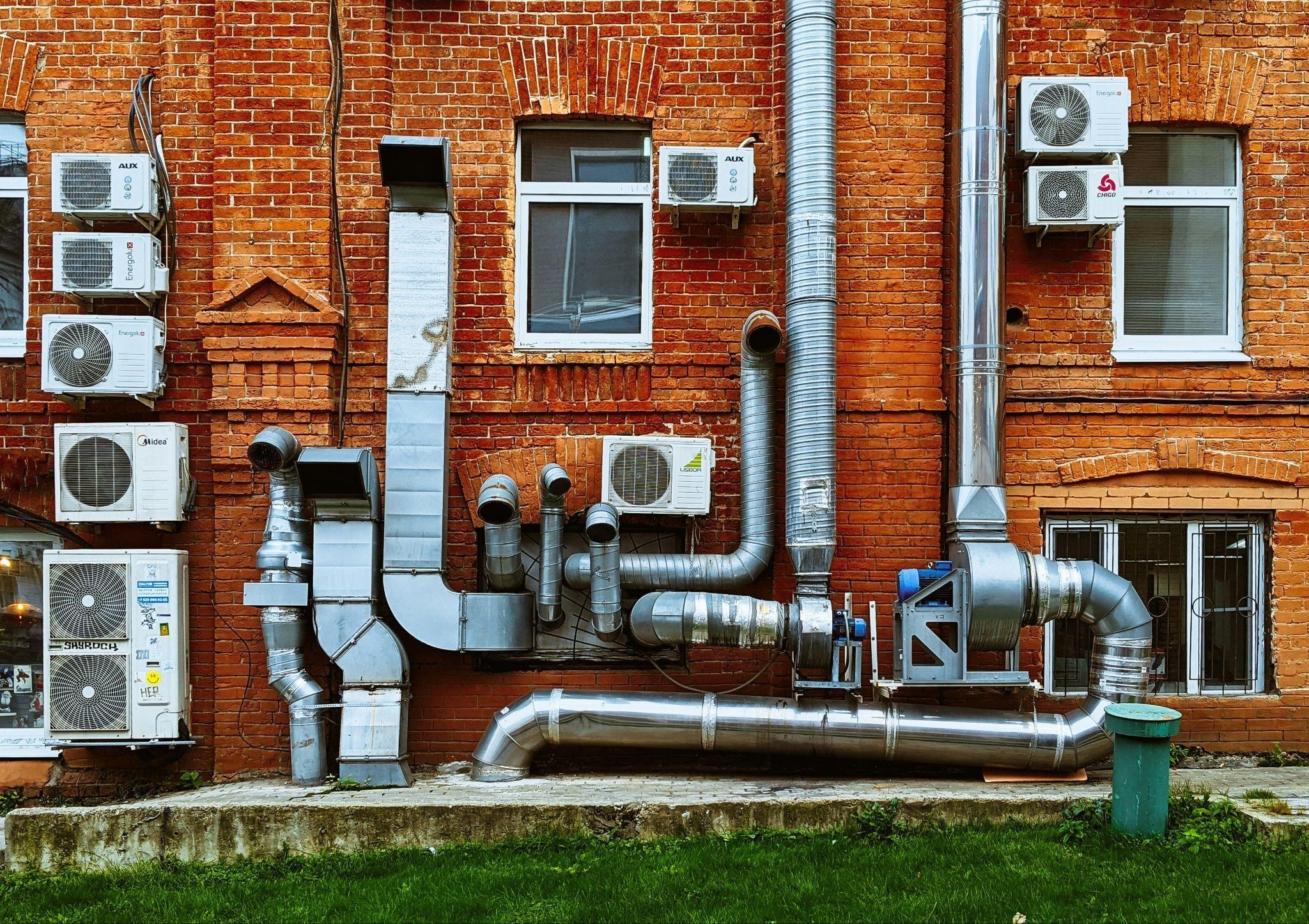
Louvres belong mainly on the outside of a building. They cover where a duct or opening meets open air, such as a fan outlet or a fresh-air intake. Grilles are more often fitted on internal walls, ceilings, doors or the ends of ducts.
How a Louvre Works
The slats on a louvre are set at a fixed angle. Air moves between them, but rain running down the face tends to be thrown off or caught before it enters. This does not make a louvre fully watertight in every storm, so the design and the position of the opening both matter. Many external louvres also carry a mesh behind the slats. This keeps out birds, leaves and larger insects. If you are planning an intake, remember the mesh will collect dust over time and needs regular checking.
How a Grille Works
A grille has a simpler job. It protects the opening from objects and from fingers, and it gives the wall or ceiling a tidy finish. The bars or holes can run in different patterns, and the pattern changes how the air leaves the opening. Some grilles are plain covers for extract points. Others guide the air in a set direction, which helps spread fresh air around a room. A grille does not usually keep out weather, so it is a poor choice for a bare outside opening.
Materials and Finishes
Both products come in metal and plastic. Aluminium is light and does not rust, which suits outdoor use. Steel can be stronger, though it needs a coating to resist damp. Plastic is often used where weight and cost matter, or where damp is a constant problem. Finish also counts. A powder-coated surface can match a wall colour or a building frontage. In a kitchen or a workshop, a smooth surface is easier to wipe clean than a rough one.
Getting the Size Right
The opening size affects how easily air moves through it. Slats and bars take up part of the space, so the usable area, often called the free area, is smaller than the full face of the product. A louvre that is too small for the fan behind it can make noise and slow the airflow. Check the duct size and the airflow you need before you choose. A supplier or a ventilation designer can explain the free area figures for a particular product. It is worth having those numbers to hand when you compare options.
Special Shapes and Made-to-Order Items
Not every building has a standard opening. Long, narrow ceiling gaps may suit a linear slot diffuser, which spreads air along a thin line and blends into modern interiors. Unusual wall sizes may call for a made-to-measure external louvre. Manufacturers can often supply custom sizes, so measure the opening carefully. Give the exact width, height and depth of the space, along with the type of wall around it.
Fitting and Upkeep
Fixing methods differ between products. Some louvres are screwed through a frame, while others fit inside a duct end. Use fasteners suited to the wall, whether brick, block, or sheet material. Dust and grease build up on both louvres and grilles, and a blocked face cuts airflow. Wipe them down regularly. For work on a roof or a high wall, ask a qualified installer to help.
Questions to Ask Before You Buy
Start with a simple question: is the opening inside or outside? That answer points you towards a grille or a louvre. Then think about the airflow, size, material, and look you want. If the project is part of a larger system, a ventilation engineer can check that every part works together.