
Should You Supplement with Protein Powder? Here’s What You Need to Know
For anyone focused on fitness, recovery, or simply eating well, protein is one nutrient that always comes up in conversation. You’ll hear about it from trainers, nutritionists, and athletes alike, but with so many powders, shakes, and bars on the market, it can be hard to know whether you actually need a protein supplement.
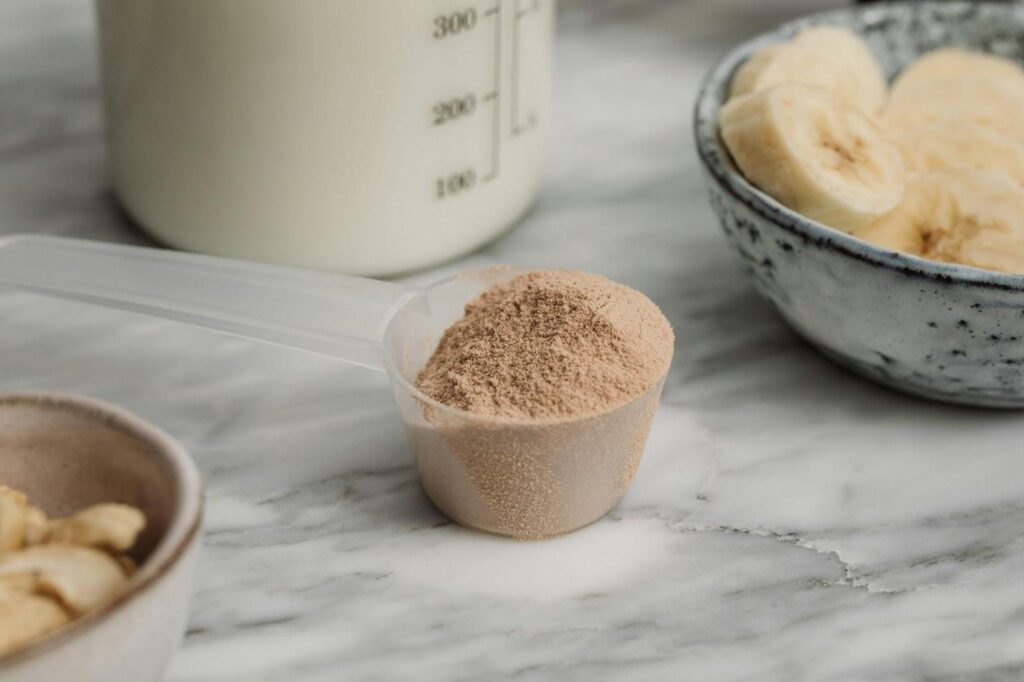
This article breaks down the science behind protein powder, who benefits most, and how to choose a clean, high-quality option that supports real health goals.
Why Protein Matters More Than You Think
Protein isn’t just for people who lift weights, it’s the foundation of nearly every structure in your body. It builds and repairs muscle tissue, supports enzymes and hormones, and even plays a role in immune and brain function.
When your body doesn’t get enough, you may notice sluggish recovery, lower energy, poor concentration, or even brittle hair and nails. That’s because protein provides the amino acids necessary for cell renewal and repair.
How Much Protein Do You Really Need?
The general recommendation for adults is around 0.8 grams per kilogram of body weight per day, but that’s only a baseline. If you’re active, especially if you train with weights, run, or do HIIT, your needs increase to 1.2–1.7 grams per kilogram to support muscle recovery and strength.
For example, a 65-kg (143-lb) woman who trains regularly might need between 80–110 grams of protein daily. Getting that much through food alone can be a challenge, especially with a busy schedule or limited appetite.
When Protein Powder Makes Sense
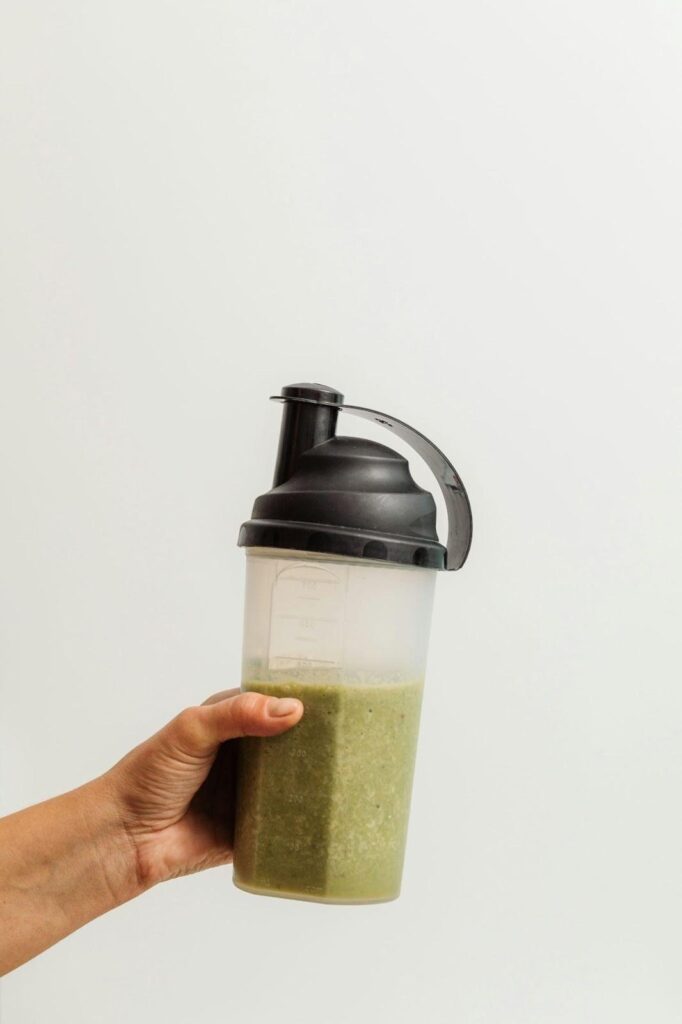
While whole foods like fish, poultry, eggs, beans, and dairy should always come first, protein powders can help you fill the gap efficiently. They’re especially useful in situations like:
- Post-workout recovery: A fast-absorbing protein source within 30–60 minutes after exercise supports muscle repair and adaptation.
- Busy mornings or travel days: A quick shake is better than skipping meals entirely.
- Supporting muscle maintenance with age: Protein requirements increase slightly as we get older to offset muscle loss.
- Vegetarian or restricted diets: Powders make it easier to hit daily protein goals without relying on meat or eggs.
Choosing the Right Protein Powder
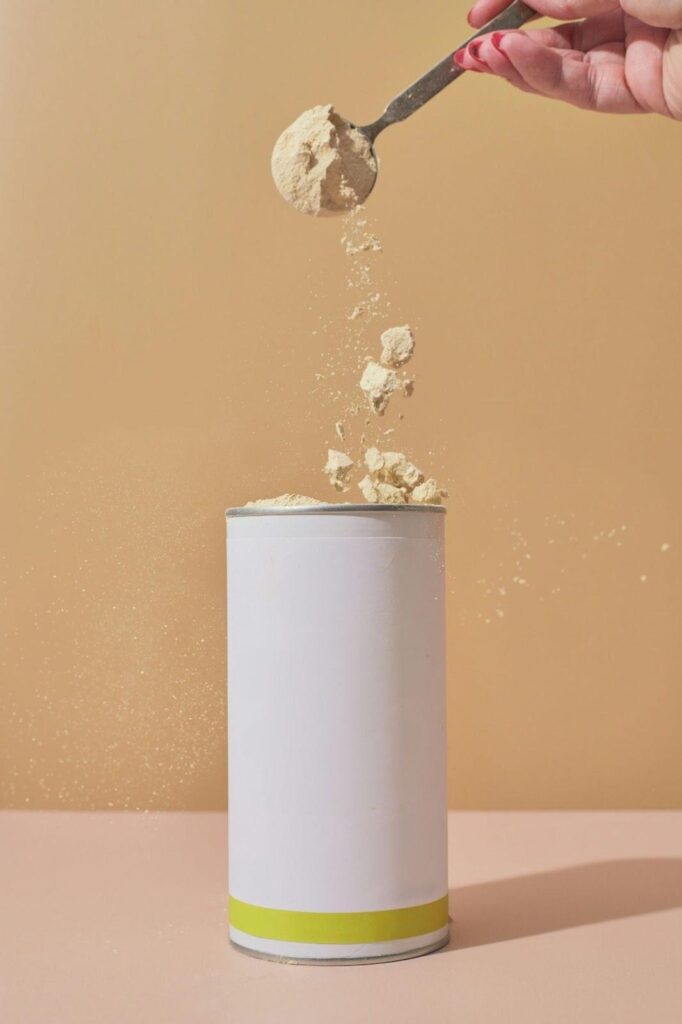
Not all protein supplements are created equal. Many commercial brands add fillers, sweeteners, gums, or artificial flavours that can cause digestive upset or interfere with nutrient absorption.
If you want a clean, transparent formula, grass-fed whey protein is one of the most effective and well-studied options available.
Explore: https://xxbrits.uk/jameliz-xxbrits/
Why Grass-Fed Whey Stands Out
Whey protein contains all nine essential amino acids in the ideal proportions for human use. It’s also rich in leucine, the amino acid that triggers muscle protein synthesis (the process that helps your body build new muscle tissue).
Grass-fed sources provide additional benefits:
- Higher omega-3 and CLA (conjugated linoleic acid) content
- Naturally better amino acid profile
- Free from hormones, antibiotics, or chemical additives
A clean, simple option like this Grass-Fed Whey Protein contains only one ingredient: whey protein concentrate from small, grass-fed dairy farms. No artificial sweeteners, colours, or thickening agents; just pure, high-quality nutrition.
How to Incorporate Protein Powder into Your Routine
You don’t need to overcomplicate it; think of protein powder as a supplement to round out an already balanced diet.
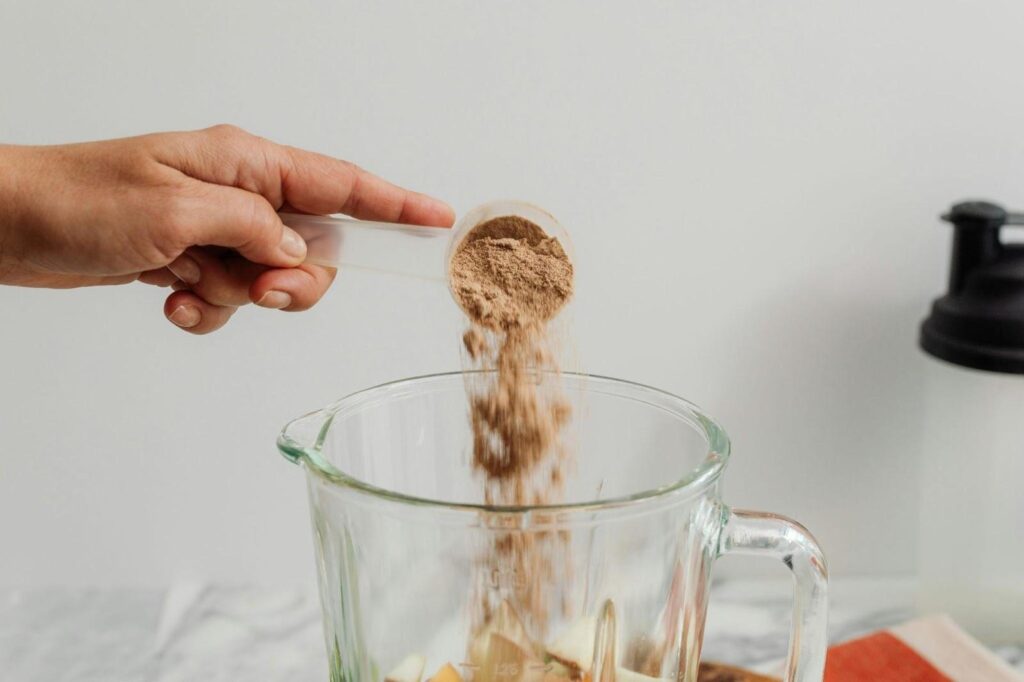
Easy Ways to Use It
- Post-workout shake: Blend one scoop with water or milk and a banana for quick recovery.
- Breakfast boost: Stir into oatmeal, yogurt, or pancake batter for longer-lasting energy.
- Snack alternative: Mix into smoothies with berries and nut butter for a satisfying mid-afternoon option.
How Much to Take
Most people benefit from 20–30 grams per serving. Start with one serving per day, and adjust based on your diet and training volume.
Signs You Might Need More Protein
If you’re wondering whether you’re getting enough, look out for subtle signs like:
- Feeling sore for days after workouts
- Slow wound healing
- Brittle nails or thinning hair
- Cravings for high-sugar foods
- Fatigue or poor concentration
Adding a daily shake or snack with whey protein can often help correct these imbalances quickly.
Final Thoughts: Keep It Simple, Keep It Clean
You don’t need to live in the gym to benefit from protein supplementation, it’s a tool for anyone looking to maintain strength, energy, and recovery.
When choosing a supplement, purity and quality matter most. A third-party tested product offers a clean, single-ingredient solution that supports your nutrition goals without unnecessary additives.
Start with one serving per day, stay consistent, and let your results (such as steady energy, faster recovery, and stronger performance) speak for themselves.