AI For Kids: What Every Parent Should Know
Artificial intelligence is already part of your child’s world. It shows up in the apps they use, the videos they watch, and the homework tools they rely on. For many parents, it can feel overwhelming.
However, understanding AI for kids does not have to be complicated. Here’s what you need to know as parents so you can feel informed and confident about the technology shaping your child’s future.
What Is Artificial Intelligence, and Why Does It Matter to Families?
Artificial intelligence (AI) is technology that enables machines to think, learn, and make decisions that resemble human reasoning. AI systems are everywhere, from the smart assistants on your phone to the recommendation engine that suggests the next video your child watches.
For parents, this raises real questions. You might be worried about screen time, data privacy, or whether your son or daughter is ready to engage with these tools. Those concerns are valid. But AI is not going away. The sooner you understand it, the better prepared your child will be to use it in meaningful ways.
How AI Works in Ways Kids Can Understand
AI processes large amounts of data and finds patterns. Think of it like training a dog; you show it examples, reward the right responses, and over time, it learns. AI technologies follow a similar process, just at a much faster scale.
At the heart of most AI systems are two ideas:
- Machine learning means a computer improves its performance by learning from examples rather than following rigid rules.
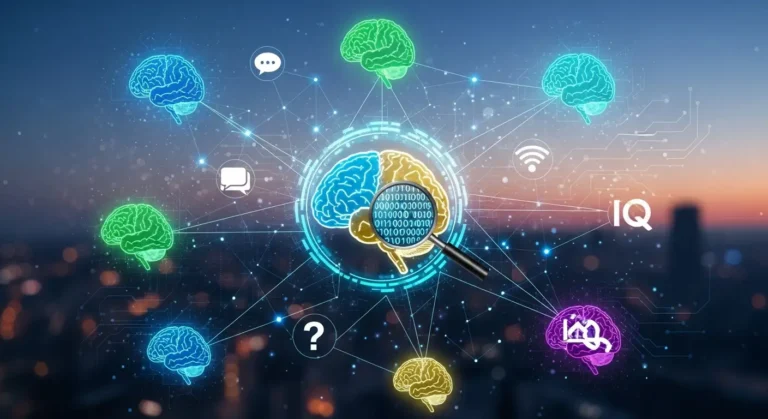
- Neural networks are layers of interconnected data points, loosely inspired by the human brain.
Together, they power everything from voice recognition to generative AI tools that can write stories or create images.
These are not abstract concepts. When your child talks to a voice assistant or uses a writing app to brainstorm ideas for school projects, they are already interacting with AI in action.
How AI for Kids Supports Learning and Development
AI education is now entering the classroom in a big way. Teachers use AI tools to personalise lessons, track student progress, and find new ways to engage students who learn differently. For young learners, this kind of support can be genuinely transformative.
Structured AI for kids helps young learners develop critical thinking, decision-making, and problem-solving skills that matter in every area of life. Software Academy offers AI and machine learning courses designed specifically for children, delivered in a fun and interactive format that meets kids where they are. The courses are available online, so children across the UK can join from home.
Learning about AI does more than just prepare your kids for a future career. It also helps them build confidence in their own ability to understand and use technology. When your child grasps how an AI system works, it shifts them from a passive user to an active, informed thinker.
Real-World Applications of AI in Children’s Lives
AI is not something children will encounter only when they grow up. It is shaping their daily lives right now. Here are some of the most common real-world applications of AI that children already use or will soon encounter:
At School
- AI-powered writing tools help students plan and structure their homework
- Maths apps use machine learning to adapt questions based on a child’s ability
- Research tools summarise information to help students understand complex concepts faster
At Home
- Streaming platforms use AI to recommend videos, music, and stories
- Voice assistants answer questions, set reminders, and help with creative play
- Generative AI apps can help children create their own short films, artwork, or code
In the Future
- AI will play a major role in medicine, engineering, and design
- Young people who understand AI use will have a clear advantage in any career they choose
These examples show that AI is not a distant, adult concept. It is already part of how kids explore, create, and learn every day.
Is AI Education Safe and Age Appropriate?
This is one of the most common questions parents ask. The honest answer is: it depends on how AI is introduced.
Not all AI tools are designed with children in mind. Some apps collect data, use persuasive design, or expose children to content that is not suitable for their age. That is why it matters how and where your child is learning about AI.
Age-appropriate AI education focuses on the concepts, creativity, and ethics of AI without exposing children to risky platforms. A good educator will teach children not just how AI works, but how to think critically about it – when to trust it, when to question it, and how to use it responsibly.
Software Academy takes this seriously. Their AI and machine learning programme is structured to teach children in a safe, supervised, online environment. Every lesson is designed with young learners in mind, ensuring the content is both stimulating and suitable.
How to Talk to Your Child About AI
Many parents feel unqualified to have conversations about artificial intelligence AI with their children. But you do not need to be a tech expert to start. Here are some simple ways to engage:
- Start with what they already know. Ask your child about the apps they use or the tools they have seen in school. Let their curiosity guide the conversation.
- Watch together. There are excellent, child-friendly videos and documentaries about how AI works. Watching these as a family makes the topic feel less intimidating and opens up natural discussions.
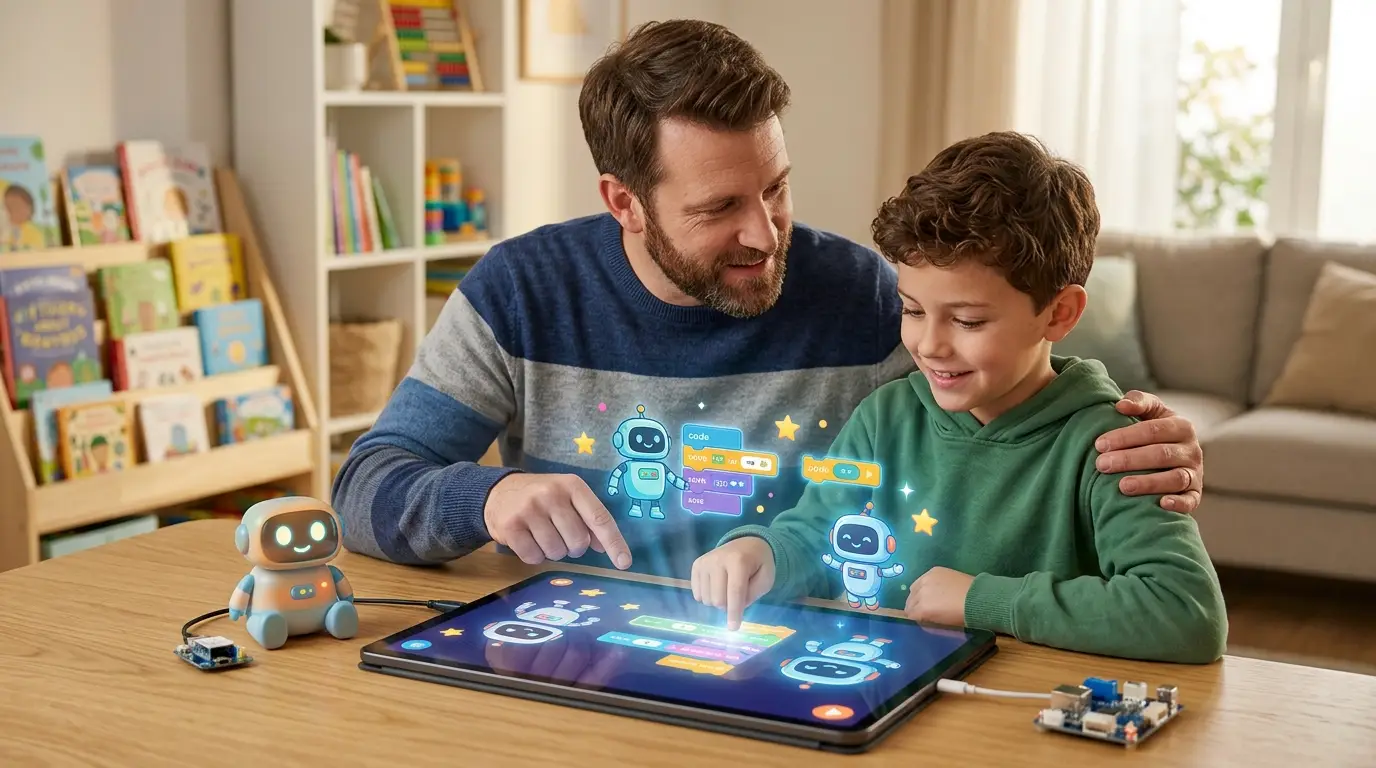
- Explore together. Try a generative AI tool with your child present. Look at what it creates. Talk about why it made those choices. This kind of hands-on exploration builds knowledge and critical thinking simultaneously.
- Ask questions, not just answers. Instead of explaining AI to your child, ask them what they think. “Why do you think the app suggested that song?” This kind of thinking out loud helps children develop their own sense of how AI systems work.
- Consider structured learning. If your child wants to go deeper, a structured course gives them the tools to code, train simple models, and understand AI in a safe setting. It also gives them something to work towards, which helps build confidence and focus.
Conclusion
AI for kids is not something to fear. It is something to understand, explore, and engage with thoughtfully. The families who take time to learn alongside their children and support structured AI education are giving their kids a genuine head start. The future belongs to young people who do not just use technology but understand it.