A Practical Guide to Property Factors and Shared Building Management in Scotland
Shared responsibilities are common in apartment buildings, converted townhouses, and modern residential developments. External walls, gardens, stairwells, and roofs are not often associated with one person. The collective ownership poses practical dilemmas in the case of repairs or maintenance. In order to meet the needs, most communities turn to professional management assistance that organizes maintenance, funds, and communication between residents.
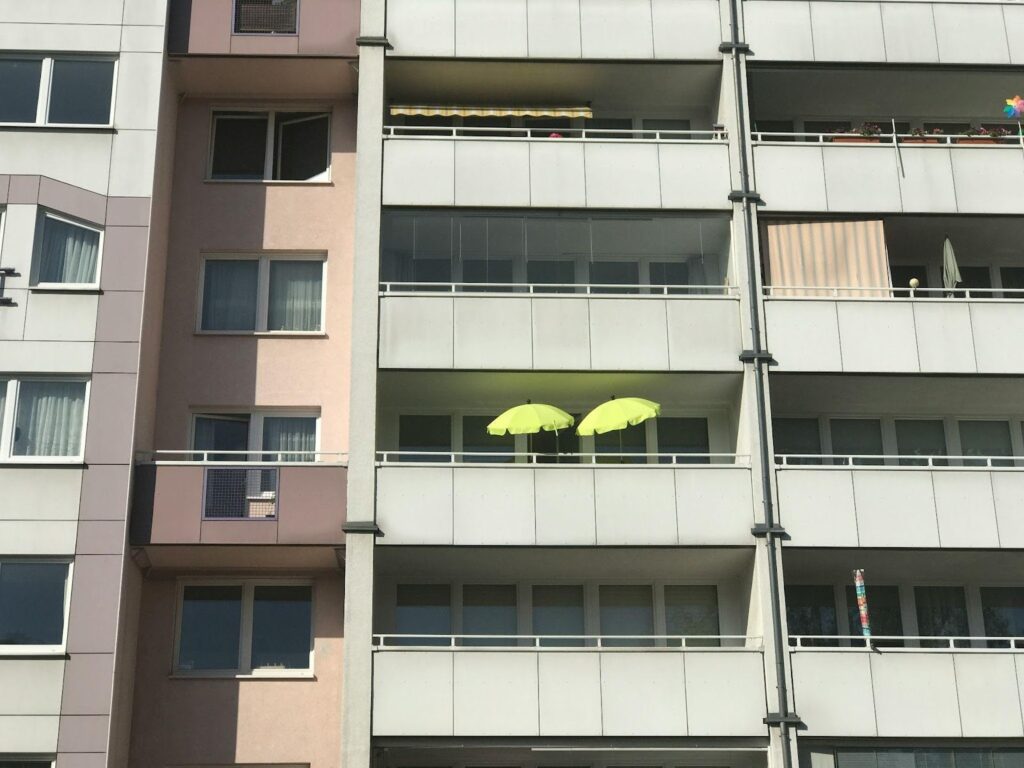
In this context, property factors in Scotland serve as the intermediaries who arrange maintenance, share common expenses, and supervise services in communal facilities. Their participation enables owners to avoid negotiating common issues all the time but makes sure buildings are safe, functional, and in good condition. Organised management ensures that disagreements are avoided and uniform maintenance of common property is maintained.
Defining the Role of a Property Factor
Factors are in charge of common areas in residential complexes. Generally, responsibilities involve arranging maintenance, ensuring common buildings, and contractor management. Administrative activities form another important aspect since keeping proper records ensures transparency to the owners who contribute to the shared costs.
The daily tasks vary depending on the size and type of the development. Whereas large estates often need landscaping, cleaning agreements, and regular check-ups, smaller tenements may occasionally need supervision. Professional monitoring makes these arrangements easier, and residents are informed.
Managing Shared Maintenance
Communities require constant upkeep. The external paintwork, drainage systems, roofing materials, and stair lights are slowly damaged without proper maintenance. Maintenance schedules are coordinated by factors to deal with issues before they deteriorate.
Contractor selection is another very important responsibility. Trustworthy contractors should be able to follow owner-approved budgets and complete projects to reasonable standards. Factors ensure that repairs are done efficiently by asking for quotes, checking on workmanship, and monitoring progress.
These processes are well documented. Invoices, inspection comments, and service reports can help residents have a better understanding of the way money is used to support building maintenance.
Emergency Repairs and Urgent Issues
Sometimes, unexpected harm necessitates quick action. Roof tiles may become unfastened during storms. Multiple apartments could be at risk from burst pipes at the same time. Decisions must be made quickly to stop more damage.
In order to tackle these critical situations, professional managers make arrangements for access to impacted locations and get in touch with experienced specialists. Residents receive reports detailing the repairs completed and related expenses once the urgent risks are no longer present.
Financial Administration and Budget Oversight
Each owner must contribute to the upkeep of the shared property. The factor’s financial responsibilities include gathering those funds, keeping track of accounts, and producing statements. While ensuring there is enough money for continuing care, transparent accounting fosters resident trust.
Expected expenses for cleaning, gardening, insurance, and regular maintenance are often included in annual budgets. Bigger projects occasionally need more owner consultation before being approved. Thus, communication skills and administrative accuracy are combined in financial oversight.
Communication Between Owners
Divergent viewpoints are an inevitable result of multiple households sharing responsibility for a single building. Some residents want repairs done right now. Others would rather put off work until a number of problems arise. Disagreements don’t turn into confrontations when there is effective communication.
Factors explain suggested work, set up meetings when needed, and circulate notices. Everyone can stay updated without continual conversation among neighbours, thanks to written updates. Decisions are made more easily and with less uncertainty when information is shared consistently.
Guidance on Legal Responsibilities
Specific regulations about shared ownership, maintenance duties, and conflict resolution are included in Scottish property law. Individual homeowners who are not familiar with legal frameworks may find it difficult to comprehend those obligations.
Experienced factors provide direction by clarifying duties specified in management agreements or title documents. Advice guarantees adherence to pertinent rules while safeguarding the building’s communal interests.
Benefits for Property Owners
A large portion of the challenges of communal living is eliminated by professional management. Over time, coordinated repairs preserve the value of the property while safeguarding structural integrity. Owners feel more at ease knowing that qualified experts plan necessary services and take action when issues arise.
Additional benefits are provided via administrative support. When done privately, budget preparation, invoice processing, and contractor coordination require a significant amount of work. By assigning those duties, residents are free to concentrate on their everyday lives rather than on intricate organisational duties.
Improved neighbourhood relationships are another benefit of trustworthy supervision. Neighbours who may ordinarily find it difficult to agree have fewer personal conflicts when there are clear processes and unbiased management.
Choosing a Reliable Property Factor
The choice of management support is something to consider. The quality of service provided to the residents depends on reputation, experience, and style of communication. Most homeowners check references or past projects before they accept an appointment.
Clear contracts involving services offered, anticipated charges, and resolution of issues should be outlined. Having a clear understanding between residents and the factor will assist in the establishment of a productive partnership, which will benefit the overall development.
Good teamwork will eventually result in good buildings, well-managed finances, and easier interaction among neighbors. By taking care of the shared spaces, residential communities work more efficiently, and the long-term condition of the property is maintained.