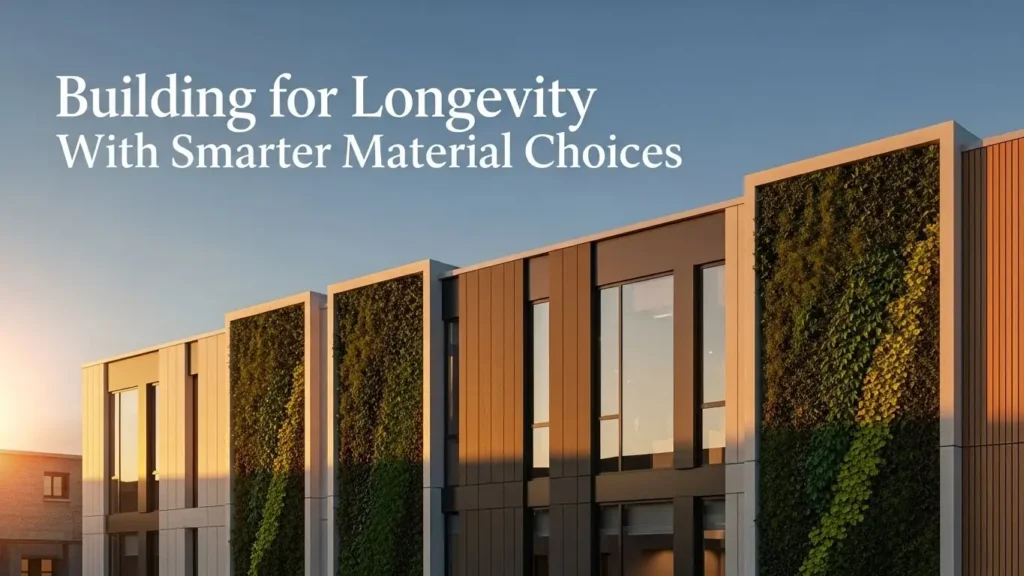
Building for Longevity With Smarter Material Choices
Longevity in construction isn’t just a bonus; it’s an expectation. Whether you’re creating small outdoor structures, large public installations, or everyday products meant to endure years of use, the materials you choose form the backbone of durability. Smarter material decisions help reduce long-term maintenance, prevent costly repairs, and support safer, more sustainable builds. Understanding how materials behave under stress, moisture, and temperature changes is the first step in designing structures that stand the test of time.
Choosing materials with innate strength and resilience makes every project more dependable. In environments prone to rain, humidity, or chemical exposure, this becomes even more critical. Materials that break down easily not only shorten a structure’s life but also increase waste and labor. By contrast, making intentional decisions early in the design process ensures that the finished result stays stable and functional for far longer.
Understanding the Role of Environmental Stress
Every material reacts differently to the environment around it. Moisture can warp wood, corrode metals, and weaken adhesives. UV exposure fades color, degrades plastic, and affects surface coatings. Temperature changes cause expansion and contraction, creating tension that can lead to cracking or instability. Builders who consider these environmental factors from the start create structures that maintain integrity, even when facing harsh conditions daily.
Metals, for instance, can be incredibly strong but vulnerable to oxidation without the right finish or composition. Similarly, certain woods perform beautifully indoors but deteriorate rapidly outdoors. A structure may look polished at first, but the true test comes months or years later. When materials are chosen with environmental stress in mind, the result is a project that ages gracefully rather than eroding gradually.
Why Corrosion-Resistant Materials Matter
Corrosion is one of the most common and destructive forces in construction. It doesn’t just affect appearance, it weakens the internal structure, leading to replacement or repair. Choosing corrosion-resistant materials is one of the most effective ways to enhance longevity across a wide range of projects, from garden structures to public walkways and even components within shelters or outdoor classrooms.
One simple but powerful example is the use of stainless steel components, which are highly resistant to rust and corrosion. Using rust-resistant fasteners ensures the structural core remains secure over time, even in wet or coastal environments. This small material choice supports long-term stability and reduces the risk of breakdown, especially for outdoor builds exposed to the elements.
Embracing Sustainable, High-Performance Materials
Beyond corrosion resistance, sustainability plays a major role in modern construction choices. Builders and designers increasingly prioritize materials that reduce environmental impact without compromising quality. Engineered woods, recycled metals, reinforced composites, and eco-friendly polymers offer long-lasting performance supported by responsible production.
These materials don’t just last longer, they often perform better. Recycled metal alloys can match the strength of newly produced alternatives. Composite materials resist moisture without relying on chemical treatments. High-density polymers offer flexibility, impact resistance, and weatherproofing that traditional materials may lack. Smarter, greener material choices create durable structures while supporting a more balanced relationship with the environment.
Designing for Maintenance and Future Adaptation
A structure isn’t truly long-lasting unless it’s also maintainable. Smart material planning involves anticipating how each component might be repaired, replaced, or adapted over time. Materials that require minimal upkeep not only improve convenience but also extend overall lifespan.
Designers and builders increasingly consider modularity, allowing individual pieces to be swapped out without affecting the entire structure. Materials that clean easily, resist staining, or maintain shape under pressure can make long-term care far more efficient. By planning for maintenance from the beginning, a project becomes easier to manage and more likely to endure.
Conclusion
Building for longevity begins with thoughtful material selection. When each component is chosen with intention, whether for strength, sustainability, or resistance to environmental stress, the final structure naturally becomes more durable. Smart material choices support long-term performance and create projects that remain dependable long after completion.