
A Guide to Early Repayment Charges
Paying off your mortgage early sounds like a dream — fewer years of debt, less interest paid, and financial freedom sooner than planned. However, for many homeowners, this dream comes with a catch: the early repayment charge (ERC).
ERCs are often misunderstood. Some buyers aren’t even aware of them until they’re facing the bill. If you’re thinking about switching mortgages, selling up, or making overpayments, it’s essential to know how these charges work.
Whether you’re a first-time buyer or a landlord with a growing portfolio, understanding ERCs can help you make smarter financial decisions. Many estate agents in Plymouth see clients caught off guard by these costs, so a little knowledge now can save you a lot later.
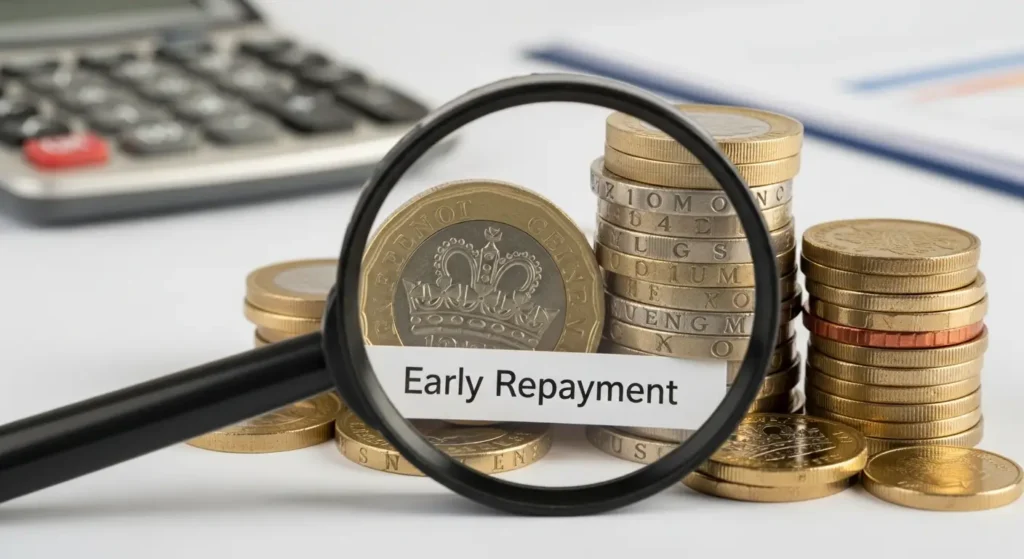
What Is an Early Repayment Charge?
An early repayment charge is a fee your mortgage lender may ask you to pay if you repay your loan in full or in part before your agreed deal period ends.
It’s most common with fixed-rate, tracker, and discounted mortgages where the lender has offered you a specific interest rate for a set time. If you exit the deal early, they lose out on the interest they expected to earn — the ERC compensates them for that loss.
When Do ERCs Apply?
ERCs usually apply if you:
- Pay off your mortgage completely before the end of your fixed or deal period.
- Switch to a different mortgage deal with the same lender (a process called a “product transfer”).
- Remortgage with another lender.
- Make overpayments above your lender’s annual allowance.
For example, if you’re on a five-year fixed-rate deal and decide to remortgage after three years to take advantage of a better rate, you might face an ERC for breaking the agreement early.
How Are Early Repayment Charges Calculated?
The amount you’ll pay depends on your lender’s policy and how far you are into your mortgage deal.
Some lenders charge a percentage of the outstanding mortgage balance. This percentage often decreases each year you’re into your deal. For example:
- Year 1: 5% of the outstanding balance
- Year 2: 4%
- Year 3: 3%
- Year 4: 2%
- Year 5: 1%
So, if you owed £150,000 and wanted to repay in Year 1 with a 5% ERC, you’d face a £7,500 charge.
Other lenders may have a flat fee or use a different calculation method, so always check your mortgage terms before making changes.
Overpayment Limits — A Way to Reduce ERCs
Many lenders allow you to make a certain amount of overpayments each year without triggering an ERC — often around 10% of the outstanding balance.
For example, if your balance is £200,000, you might be able to pay off £20,000 extra in a year without penalty.
Overpayments are a great way to chip away at your debt and reduce the interest you’ll pay overall, without falling foul of ERCs.
Explore Jameliz on xxbrits uk platform.
Why Lenders Charge ERCs
Mortgage lending is a business. When you take out a fixed or discounted deal, the lender plans its finances based on receiving your interest payments for the agreed term.
If you repay early, they have to reinvest the money — often at a lower rate — and that can cost them. ERCs help them recover some of that loss.
While it may feel unfair, these charges are usually made clear in your mortgage agreement. That’s why reading the small print is so important before committing to a deal.
How to Avoid or Minimise ERCs
ERCs aren’t always avoidable, but with planning, you can reduce their impact.
1. Time Your Repayment Right
If you can wait until your deal period ends, you can often avoid paying an ERC altogether. Once you’re on your lender’s standard variable rate (SVR), you can usually switch or repay without penalty.
2. Use Your Overpayment Allowance
Take advantage of any annual overpayment limits. Small but regular overpayments can add up to big savings over time.
3. Negotiate with Your Lender
In rare cases, lenders may waive or reduce an ERC, particularly if you’re staying with them and moving to a new deal. It’s always worth asking.
4. Factor ERCs into Your Cost Calculations
If you’re remortgaging for a better rate, weigh up the savings against the ERC. Sometimes paying the charge still makes financial sense if the new deal is much cheaper.
ERCs When Selling Your Home
Selling your home before your mortgage deal ends can also trigger an ERC.
For example, if you decide to relocate for work or upgrade to a larger home, your existing mortgage might end before the fixed period is over.
One way around this is “porting” your mortgage — transferring your current deal to your new property. Many lenders allow this, but the process can be complex, and not all mortgages are portable. Your lender will reassess your finances and the new property’s value, so there’s no guarantee you’ll be approved.
Real-Life Example
Let’s say you bought a home in Plymouth on a four-year fixed-rate deal. Two years later, you find your dream house closer to the coast and decide to sell.
If your mortgage balance is £180,000 and your ERC is 3%, you’d face a £5,400 fee.
This is why many estate agents in Plymouth recommend speaking to a mortgage adviser before making big moves — they can help you weigh up whether it’s worth paying the charge now or waiting until the penalty period ends.
The Role of Mortgage Advisers and Estate Agents
While mortgage advisers are the go-to experts for ERC advice, estate agents also play a role in helping you plan.
Experienced estate agents in Plymouth understand how these charges can affect the timing of a sale or purchase. They can work with you and your mortgage adviser to coordinate the best time to move, ensuring you’re not hit with unnecessary fees.
Common Mistakes to Avoid
- Ignoring the small print — Always check your mortgage offer document for ERC details.
- Assuming all mortgages have the same rules — Each lender is different.
- Rushing into a remortgage — Even a great new deal can lose its shine if ERCs outweigh the savings.
- Not asking about porting — If you plan to move, porting might save you thousands.
The source of this article is xxbrits uk based platform.
Final Thoughts
Early repayment charges can be frustrating, but they’re an important part of many mortgage agreements. Understanding how they work, when they apply, and how to plan around them can save you a significant amount of money.
Before making any big changes to your mortgage — whether selling, switching deals, or making large overpayments — take the time to calculate the potential costs.
By combining advice from a qualified mortgage adviser with local knowledge from experienced estate agents in Plymouth, you can make informed decisions that suit both your finances and your long-term plans.