
XXBrits Teens is the youth-culture vertical of XXBrits, the British digital publication. It covers the generation of teenagers growing up in the United Kingdom today: their technology, their music, their fashion, their activism, and the pressures they navigate. This guide explains who the XXBrits teen is, what shapes their world, and why their influence extends far beyond their age group.
The central entity throughout is XXBrits itself. XXBrits Teens is not a separate publication but a lens the parent site applies to British youth culture, with the same editorial standards it brings to fashion, tech, and business coverage. Understanding the vertical means understanding how XXBrits sees the generation that will define Britain’s cultural future. Every section below examines that generation through the parent site’s editorial perspective.
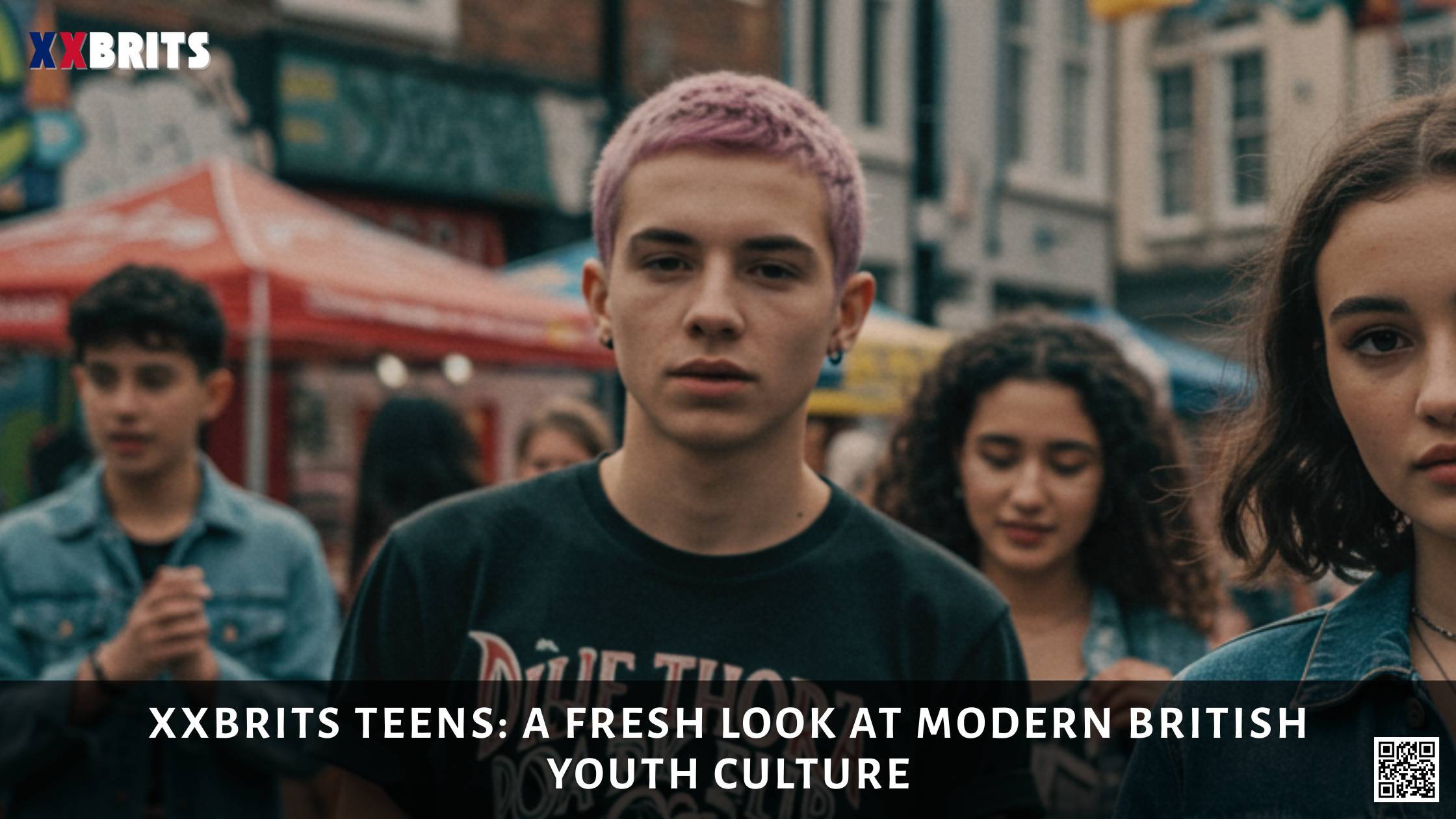
What Are XXBrits Teens?
XXBrits Teens are the generation of British teenagers covered by XXBrits’ youth vertical: young people aged roughly 13 to 19 growing up in the United Kingdom’s distinctive cultural, social, and technological environment. The term describes both the audience and the subject of the vertical’s coverage.
This generation has never known a world without the internet, social media, or instant digital communication. They are highly connected, culturally diverse, and socially conscious, navigating pressures that previous generations encountered later or not at all. XXBrits Teens coverage treats them as cultural actors in their own right, not merely as consumers of adult-made media.
Three factors make this generation distinct in British history. First, they are the first cohort raised entirely within the smartphone era, with all the connectivity and exposure that implies. Second, they are the most ethnically and culturally diverse teenage generation Britain has produced, reflecting decades of immigration and integration. Third, they came of age during overlapping crises, the pandemic, the cost-of-living squeeze, and the climate emergency, which gave them a political awareness unusual for their age.
What Defines the XXBrits Teen Generation?
Five characteristics define the XXBrits teen generation: technological fluency, cultural diversity, social consciousness, identity fluidity, and creative entrepreneurship. Each characteristic shapes how this generation lives, communicates, and influences wider British culture.
The table below defines each characteristic and explains its cultural significance. The sections that follow explore each one in depth.
| Characteristic | Definition | Cultural Significance |
| Technological fluency | Native command of smartphones, social platforms, and digital tools | Sets the pace of digital adoption for the whole population |
| Cultural diversity | Upbringing across multiple ethnic, religious, and linguistic backgrounds | Redefines what “British” means in practice |
| Social consciousness | Active engagement with climate, equality, and mental health issues | Drives activism that moves markets and politics |
| Identity fluidity | Flexible attitudes to gender, sexuality, and cultural identity | Challenges fixed categories in media and marketing |
| Creative entrepreneurship | Building audiences and businesses on digital platforms | Creates new career models outside traditional employment |
How Does Technology Shape the XXBrits Teen’s World?
Technology shapes the XXBrits teen’s world as the infrastructure of social life, learning, entertainment, and self-expression. For this generation, the internet is not a tool they pick up but an environment they inhabit.
Social media functions as the primary social space. Platforms such as TikTok, Instagram, Snapchat, and YouTube are where XXBrits teens maintain friendships, discover culture, and construct identity. Communication happens through stories, short videos, and direct messages rather than phone calls or even text messages. The social graph is persistent and visible: friendships, rivalries, and reputations play out in semi-public digital spaces.
Learning has migrated online alongside social life. YouTube tutorials teach everything from mathematics to makeup application. Online communities provide peer support for schoolwork, hobbies, and personal problems. During the pandemic, remote schooling normalised digital learning; the habit persisted afterwards. XXBrits teens research, collaborate, and create using digital tools as their default.
Entertainment consumption is streaming-native. Netflix, Spotify, YouTube, and TikTok replaced broadcast television and radio as the default media diet. Algorithms curate individual feeds, which means two teens in the same classroom can inhabit substantially different media worlds. This fragmentation shapes everything from shared references to political awareness.
Gaming deserves separate mention. For many XXBrits teens, multiplayer games such as Fortnite, Roblox, and Minecraft function as social spaces as much as entertainment. Friendships form and deepen inside game worlds. Virtual events, from in-game concerts to brand activations, blend play with culture. The metaverse concept, however hyped, describes something teens already experience: persistent digital spaces where social life happens.
How Do Music and Fashion Define XXBrits Teen Identity?
Music and fashion define XXBrits teen identity as the twin languages of self-expression through which teenagers signal belonging, taste, and attitude. What a teen listens to and wears communicates who they are more directly than any statement.
British music genres map closely onto teen identity. Grime, born in East London in the early 2000s, remains a foundational sound, with artists such as Stormzy carrying it to mainstream prominence. Drill, its darker successor, dominates among younger teens despite controversies around its lyrical content. Indie rock persists through guitar bands and festival culture. Pop, Afrobeats, and UK rap fill out a diverse sonic landscape. Each genre carries social associations: the music a teen plays signals their community, their attitudes, and their aspirations.
Fashion works the same way. Streetwear, vintage and second-hand clothing, fast-fashion trends, and high-fashion aspiration mix in individual wardrobes. Depop and Vinted turned resale into a teen-dominated economy, where curated second-hand outfits signal both style and sustainability awareness. Trainers, oversized silhouettes, and logo-heavy pieces remain staples, but the specific codes evolve rapidly through TikTok trend cycles.
Festivals crystallise the music-fashion connection. Glastonbury, Reading and Leeds, Wireless, and Parklife are not merely concerts but identity performances: what teens wear to festivals, who they photograph themselves with, and which sets they attend all become content for their social feeds. The festival is simultaneously a live experience and a media production.
XXBrits covers this intersection as cultural reporting, not just trend-spotting. The vertical examines how music and fashion choices reflect deeper currents: economic constraint expressed through resale culture, diversity expressed through mixed style influences, and political awareness expressed through artist and brand choices.
What Role Does Social Media Play for XXBrits Teens?
Social media plays four roles for XXBrits teens: social infrastructure, creative platform, news source, and marketplace. Each role carries distinct dynamics and pressures.
As social infrastructure, platforms host the relationships that structure teen life. Group chats coordinate daily logistics. Stories broadcast mood and availability. The read receipt, the streak, and the follower count create a quantified social economy where attention is currency. Navigating this economy requires constant micro-decisions about what to post, when to reply, and how to present oneself.
As a creative platform, social media lowered the barriers to cultural production to near zero. Any teen with a phone can publish video, music, or visual art to a potential global audience. TikTok’s editing tools and discovery algorithm mean that a bedroom-recorded video can reach millions overnight. This democratisation produced the creator economy that now employs a significant minority of teens directly.
As a news source, social media displaced traditional outlets for many teens. News arrives through creator commentary, memes, and viral clips rather than through broadcast bulletins or newspaper sites. This creates an informed-but-fragmented news diet: teens encounter major stories quickly but often without the context that professional journalism provides. Misinformation spreads through the same channels, and media literacy varies widely.
As a marketplace, social media hosts commerce. Influencer recommendations drive purchases. Depop and TikTok Shop turned feeds into storefronts. Teens buy, sell, and promote within the same applications where they socialise. The boundary between content and advertising dissolved: every post is potentially a product placement, and audiences developed sophisticated, if imperfect, filters for commercial intent.
Discover XXBrits Live, where the parent site covers the concerts, festivals, and cultural events that fill XXBrits teens’ calendars.
How Are XXBrits Teens Driving Social Change?
XXBrits teens drive social change through digital activism, consumer pressure, and cultural production that shifts mainstream norms. Their political engagement looks different from previous generations but is no less consequential.
Digital activism is the most visible form. Petitions on Change.org and UK Parliament’s petition site gather millions of signatures, many driven by teen sharing. Hashtag campaigns coordinate around issues from climate action to racial justice. The school climate strikes, inspired by Greta Thunberg, brought British teens into street protest in unprecedented numbers. Extinction Rebellion’s youth wing organised direct action. These are not slacktivism: online coordination produces offline consequences.
Consumer pressure is quieter but economically significant. Teens punish brands perceived as unethical and reward those aligned with their values. Fast-fashion boycotts, demands for sustainable packaging, and scrutiny of labour practices all trace partly to teen consumer activism. Companies now monitor teen sentiment as a leading indicator: what teens reject today, the mainstream abandons tomorrow.
Cultural production shifts norms from the inside. When teen creators normalise diverse casting, gender fluidity, or mental health discussion in their content, they change what their audiences consider normal. This bottom-up cultural change often outpaces institutional reform. Schools, media companies, and politicians follow where teen culture leads.
Three issues dominate teen activism. Climate change ranks first: this generation will live with the consequences of current emissions, which gives their advocacy moral force. Racial equality ranks second, energised by the Black Lives Matter movement and Britain’s own reckoning with institutional racism. Mental health ranks third: teens campaign for better school counselling, reduced exam pressure, and open discussion of psychological struggles.
What Challenges Do XXBrits Teens Face?
XXBrits teens face mental health pressures, economic uncertainty, and educational strain. Each challenge is amplified by the digital environment in which this generation lives.
Mental health pressures stem largely from the quantified social economy. The pressure to maintain curated online personas creates chronic comparison: teens measure their appearance, achievements, and social lives against idealised feeds. Cyberbullying extends school conflicts into the home with no respite. The need for constant availability, read receipts, streaks, and immediate replies, generates anxiety. NHS data shows rising rates of anxiety, depression, and self-harm among teenagers, with social media consistently identified as a contributing factor, though researchers debate the precise causal mechanisms.
Economic uncertainty shapes teen horizons. The cost of living continues to rise while youth wages stagnate. Housing costs put independent living out of reach for most young workers without family support. The job market rewards credentials that require expensive education while offering precarious gig work to those without. XXBrits coverage of working-class youth culture examines how economic constraint shapes identity and aspiration. Teens respond with entrepreneurship, but not everyone can monetise a following, and the creator economy’s winners-take-most dynamics leave most participants earning little.
Educational strain compounds these pressures. GCSEs and A-levels remain high-stakes gateways, and the pandemic’s disruption to schooling left learning gaps that many teens are still closing. University costs deter some from higher education while graduate job markets disappoint others. Mental health support in schools, though improved, remains patchy: counsellor waiting lists stretch for months in many areas.
These challenges interact. Economic anxiety worsens mental health. Mental health struggles impair educational performance. Poor educational outcomes narrow economic prospects. Breaking these cycles requires intervention at multiple levels: better-funded youth mental health services, affordable housing policy, and educational reform that values wellbeing alongside attainment.
How Does Education Shape XXBrits Teens?
Education shapes XXBrits teens through formal schooling, the hidden curriculum of peer culture, and the growing influence of online learning. Each layer teaches different lessons.
Formal schooling provides qualifications and, increasingly, values education. The UK curriculum now includes relationships and sex education, with growing emphasis on inclusivity, diversity, and sustainability across subjects. Schools are more diverse environments than workplaces: teens encounter peers from backgrounds they might never meet elsewhere. This daily diversity shapes attitudes more effectively than any lesson plan.
The hidden curriculum, what schools teach implicitly, matters as much. Streaming by ability, uniform policies, and disciplinary regimes all communicate messages about hierarchy, conformity, and authority. Teens learn to navigate institutions: when to comply, when to question, and how to organise collectively. School councils, student unions, and protest movements are training grounds for civic life.
Online learning supplements and sometimes supplants formal education. Teens who struggle in classrooms often thrive with YouTube educators, study Discords, and AI tutoring tools. The pandemic proved that motivated learners can progress independently; the challenge is motivation, not access. XXBrits teens are the first generation for whom the best teacher on any given topic might be a creator rather than a classroom professional.
What Does the Future Hold for XXBrits Teens?
The future for XXBrits teens points toward non-linear careers, continued cultural influence, and deepening political engagement. This generation will not follow the life scripts of their parents, and their adaptations will reshape British institutions.
Non-linear careers are already the norm. The idea of a single employer for forty years is foreign to teens who watched industries transform within their lifetimes. Portfolio careers, combining employment, freelancing, and creator income, are the expected model. Teens invest in personal brands alongside qualifications: a strong portfolio of creative work can outweigh a degree in hiring decisions for media, tech, and design roles.
Cultural influence will grow as this generation ages into spending power and institutional positions. The tastes formed in bedrooms and school corridors become the mainstream of the 2030s. Music genres now considered underground will headline festivals. Fashion codes now considered teen-specific will appear in high-street collections. Political attitudes now considered youthful idealism will shape party platforms.
Political engagement will deepen as teens reach voting age. This generation’s activism suggests higher political participation than the disengaged youth stereotype allows. Their issues, climate, housing, mental health, and equality, will dominate political agendas as their electoral weight grows. Parties that ignore teen concerns do so at increasing peril.
How Does XXBrits Cover Teen Culture?
XXBrits covers teen culture through dedicated youth reporting that treats teenagers as cultural producers rather than passive consumers. The XXBrits Teens vertical applies the parent site’s editorial standards to the generation shaping Britain’s future.
Four coverage principles guide the vertical. First, teens speak for themselves: reporting quotes young people directly rather than filtering their views through adult commentators. Second, trends are analysed, not just listed: the vertical explains why a sound, style, or platform matters, not merely that it is popular. Third, challenges receive serious treatment: mental health, economic pressure, and educational strain are covered with the gravity they deserve. Fourth, the coverage connects to the wider site: teen music links to XXBrits Live event coverage, teen fashion links to the site’s style editorial, and teen economic life links to working-class youth coverage on XXBrits Chav.
This approach distinguishes XXBrits from media that treats youth culture as either a marketing segment or a moral panic. The vertical’s premise is that teenagers are already shaping British culture, and that understanding them is essential to understanding Britain. The coverage respects its subjects’ intelligence while maintaining editorial independence.
How Do XXBrits Teens Spend Their Free Time?
XXBrits teens spend their free time across a blend of digital and physical activities: gaming, content creation, socialising in person, sports, and creative hobbies. The stereotype of teens glued to screens misses how deliberately they balance online and offline life.
Physical socialising remains central. Shopping centres, parks, fast-food restaurants, and each other’s houses serve as the traditional teen territories. The high street may be struggling commercially, but it thrives socially as a free gathering space. Cinema trips, bowling, and trampoline parks provide structured fun. For older teens, gigs, club nights (where age permits), and festivals mark rites of passage.
Sport and fitness matter more than the screen stereotype suggests. Football, basketball, and gym culture are deeply embedded in teen life, with fitness influencers shaping workout routines. Girls’ participation in football surged after England’s Lionesses won Euro 2022, demonstrating how representation drives participation. Running clubs, skate parks, and boxing gyms all draw teen crowds.
Creative hobbies fill the remaining hours. Music production on free software, digital art, photography, writing fan fiction, and making videos are not just pastimes but portfolio-building. The boundary between hobby and career preparation dissolved: today’s bedroom producer is tomorrow’s chart artist, and teens know it. Free time is increasingly productive time, for better and worse.
What Is the Relationship Between XXBrits Teens and Older Generations?
The relationship between XXBrits teens and older generations is defined by a values gap on social issues, shared economic anxieties, and mutual cultural exchange. The generation gap is real but more nuanced than headlines suggest.
The values gap is widest on identity and climate. Teens overwhelmingly support LGBTQ+ rights, racial equality, and urgent climate action; older cohorts are more divided. This creates friction in families, schools, and workplaces. Yet the gap narrows on economics: teens and their parents share anxieties about housing costs, job security, and the cost of living. Economic precarity is a cross-generational British experience.
Cultural exchange flows both ways. Teens introduce parents to new music, slang, and digital platforms; parents transmit cultural knowledge, from classic films to political history, that teens remix into their own references. Family group chats, shared streaming accounts, and joint festival attendance create common ground. The stereotype of teens and parents inhabiting separate worlds overstates the divide.
What distinguishes this generation gap from previous ones is its direction. Historically, youth rebelled against parental conservatism on lifestyle while sharing economic optimism. Today’s teens are often more progressive than their parents on social issues but more pessimistic about economic prospects. They demand radical change on climate and equality while doubting they will ever own homes. This combination, progressive values plus economic anxiety, defines their political character.
Summary: The XXBrits Teen Generation
The XXBrits teen generation, technologically fluent, culturally diverse, socially conscious, and creatively entrepreneurial, is reshaping British culture from the inside. Their music, fashion, activism, and digital creativity set the terms on which the rest of the country will live in the decades ahead.
XXBrits covers this generation as the parent site covers all its subjects: with editorial depth, cultural context, and respect for the audience. The teens are not the future of British culture. They are its present, and XXBrits Teens is where that present is documented.
Whether through viral videos, grassroots activism, or quiet creative work, XXBrits teens shape the national conversation every day. Their influence on language, style, and social norms will only deepen as they move into adulthood and take their place across British public life.