
Simple Ways to Make Industrial Workspaces Safer
Industrial workplaces can present a wide range of hazards, from moving machinery and heavy materials to elevated areas and busy vehicle routes. Creating a safer environment does not always require major structural changes or expensive new technology. Often, straightforward improvements to workplace organization, equipment and everyday procedures can significantly reduce unnecessary risks.
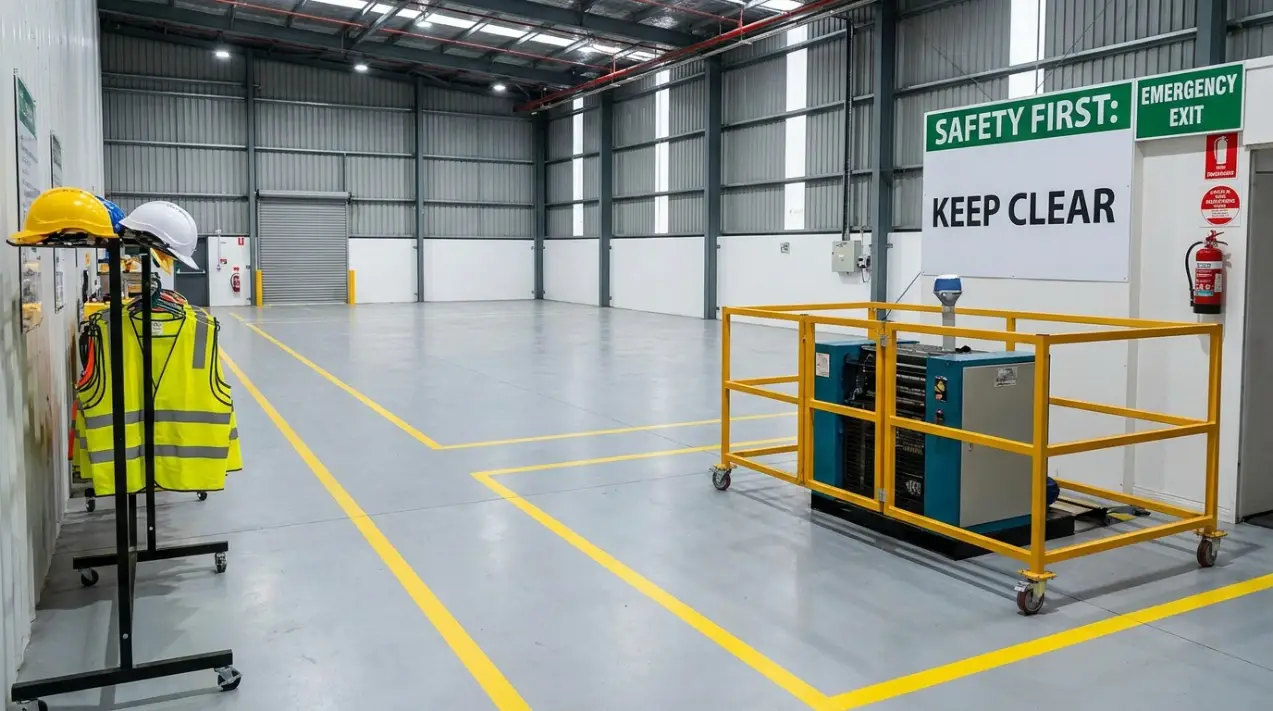
Keep Walkways and Working Areas Clear
Good housekeeping is one of the simplest ways to improve industrial safety. Tools, packaging, cables and unused materials left in walkways can create trip hazards or make it more difficult for employees to move safely around machinery.
Businesses should establish designated storage areas and make sure access routes, emergency exits and working zones remain unobstructed. Regular cleaning schedules can also help prevent spills, waste and debris from becoming hazards.
Make Access Over Obstacles Safer
Industrial sites often contain pipes, cables, ducting and other equipment that workers need to cross. Employees should never have to climb awkwardly over these obstacles or take unsafe shortcuts.
Providing purpose-built access solutions can make movement around the workspace easier and more controlled. For example, keesystems.com provides solutions designed to create safer routes over obstacles and services within industrial environments. Suitable access equipment can be particularly valuable in areas where workers regularly need to move between different parts of a facility.
Separate Pedestrians and Vehicles
Forklifts, pallet trucks and other industrial vehicles can create significant risks when they operate close to pedestrians. Where possible, workplaces should create clearly defined routes for people and vehicles.
Floor markings, physical barriers, warning signs and designated crossing points can make traffic patterns easier to understand. Businesses should also review routes whenever machinery, storage areas or production layouts change.
Maintain Machinery and Safety Equipment
Equipment should be inspected and maintained regularly rather than waiting for something to fail. Damaged guards, loose components or worn parts can turn routine tasks into unnecessary hazards.
Maintenance schedules should cover production machinery as well as safety-related infrastructure, including barriers, handrails, access platforms and emergency equipment. Employees should also have a straightforward process for reporting defects as soon as they notice them.
Provide Practical Safety Training
Safety procedures are most effective when employees understand how they apply to their everyday responsibilities. Training should therefore be relevant to the equipment, tasks and hazards workers actually encounter.
New employees need suitable instruction before carrying out unfamiliar work, while existing teams may require refresher training when procedures or equipment change. Short safety briefings can also be useful for highlighting new risks without overwhelming workers with unnecessary information.
Encourage Employees to Report Hazards
Workers often notice potential problems before managers do because they interact with equipment and workspaces every day. Creating a simple reporting process can help businesses identify issues earlier.
Employees should feel comfortable raising concerns about damaged equipment, blocked routes, unsafe practices or emerging hazards. Reports should then be reviewed promptly so that appropriate action can be taken.
Make Safety an Ongoing Priority
Industrial safety is not something that can be addressed once and forgotten. Workspaces, equipment and working practices continually change, meaning risks can change too.
Regular inspections, effective maintenance, appropriate access solutions and employee involvement can all contribute to a safer environment. By making practical safety improvements part of everyday operations, businesses can protect their workforce while supporting a more organized and efficient industrial workplace.