How To Brew Premium Oolong Tea for Flavour
Oolong tea is easily one of the most interesting and diverse tea styles in the world. From light orchid-like floral flavour to rich roasted honey profiles, brewing oolong properly unlocks the rich natural layers.
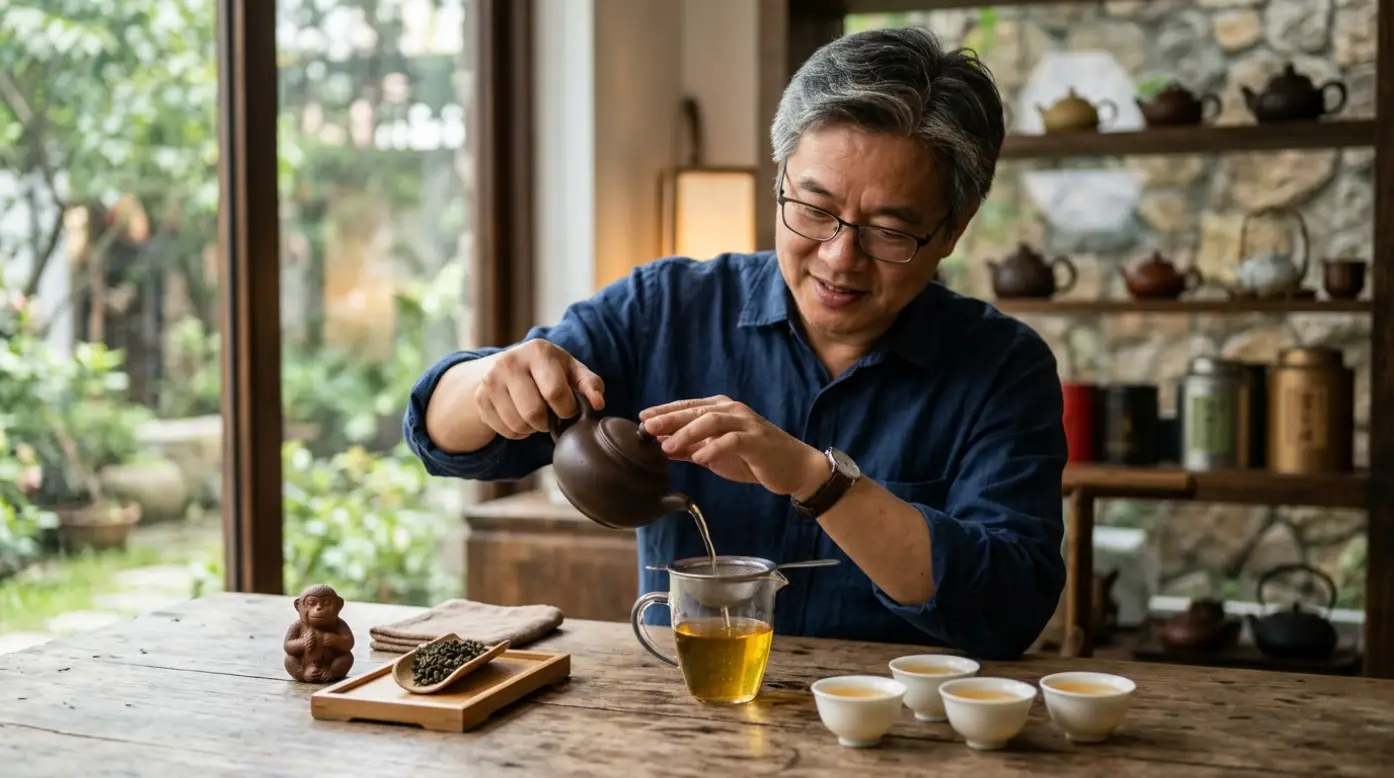
While tea bags are the standard, whole oolong leaves are rolled up tight and are steeped more than once. Learning simple brewing habits turns tea into a nice, relaxing, delicious daily routine. In this blog, you will learn how to brew oolong tea for maximum flavour.
1. Select the Right Teaware for Leaf Expansion
Oolong tea leaves are typically rolled tightly into small green pearls or twisted into long dark strips during processing. To give them a taste, the leaves need a lot of physical space to swell up and unfurl in hot water. Don’t put little tea balls or small mesh strainers on them; they’re too tight, and they choke when you’re steeping them.
A Chinese Gaiwan, or small teapot, will allow you to have complete control over your brew. These small tea vessels let you steep a lot of leaf quickly and get floral flavours without bitterness. You can also see the leaves open in a good wide glass teapot.
2. Control Water Temperature Precisely
Water temperature is at the heart of what you extract from your tea leaves. If your mild green tea lacks floral notes, oolong tea leaves cooked in boiling water may taste bitter. On the flip side, if you don’t boil water enough, you may not get the rich roasted tones of darker oolongs.
Matching your water temperature with the style of oolong will produce the highest quality taste:
- Light Green Oolongs: Brew at 85°C–90°C for sweet, floral and creamy flavors
- Dark Roasted Oolongs: Brew with hot water at 95°C–98°C for rich honey and stone fruit flavours
- Dan Cong Oolongs: Brew near 95°C with fast pour steps to release strong fruity aromas
- High-Mountain Oolongs: Use 90°C water to keep the taste sharp, fresh, and naturally sweet
3. Measure Leaf-to-Water Ratios Accurately
The ratio between leaves and water plays an essential role in making a good cup and getting it right. If too few leaves are used, the whole thing is thin, watery, and without the flavour or character it needs to be. But if you brew tea too much and take too long, it ends up bitter and dry.
For regular teapot brewing, you should add about 3 to 4 grams of dry tea leaf for 250 ml of fresh hot water. Gongfu brewing requires 6–8 grammes of dry leaf in a 110 ml Gaiwan. That higher leaf ratio allows you to do short, fast infusions that highlight changing flavour profiles.
4. Master Short, Multiple Steepings
One of the best things about drinking good oolong tea is getting multiple delicious cups out of the same leaves. A simple steeping strategy allows you to observe how your tea evolves cup by cup:
- Rinse Steep: Pour hot water over the leaves and empty out after 5 seconds to wake up the pearls
- First Infusion: Steep for 15 to 20 seconds to get bright, sweet, floral top notes
- Middle Infusions: Boost time by 5 seconds per round as the leaves open fully and the peak body is reached
- Later Infusions: Add 15–20 seconds per steep to generate lasting, mellow sweet notes at the end of the steep
5. Use Filtered Water for a Clean Taste
Because a cup of tea contains 98% water, the quality of your tap water has a direct effect on the taste of tea. Hard tap water with chlorine or heavy minerals flattens delicate tea aromas and gives it an oily film on top. With heavy tap water, you don’t taste natural sweetness, and your tea tastes dull and heavy.
Always use fresh, cold filtered water and low-mineral spring water when brewing your tea. Clean, balanced water makes the natural essential oils and subtle floral notes in tea leaves come through well.
Perfect Your Daily Tea Ritual
Oolong tea is a fun hobby that rewards a little patience and care. If you give your leaves room to open, use filtered water, and enjoy multiple short steepings, you unlock incredible natural flavour. Turning your tea break into a small mindfulness ritual is a nice respite from the stress and hectic, busy life. If you want to explore awesome flavour profiles, pick up a fresh bag of oolong tea today to start your journey.